Last updated November 23, 2026
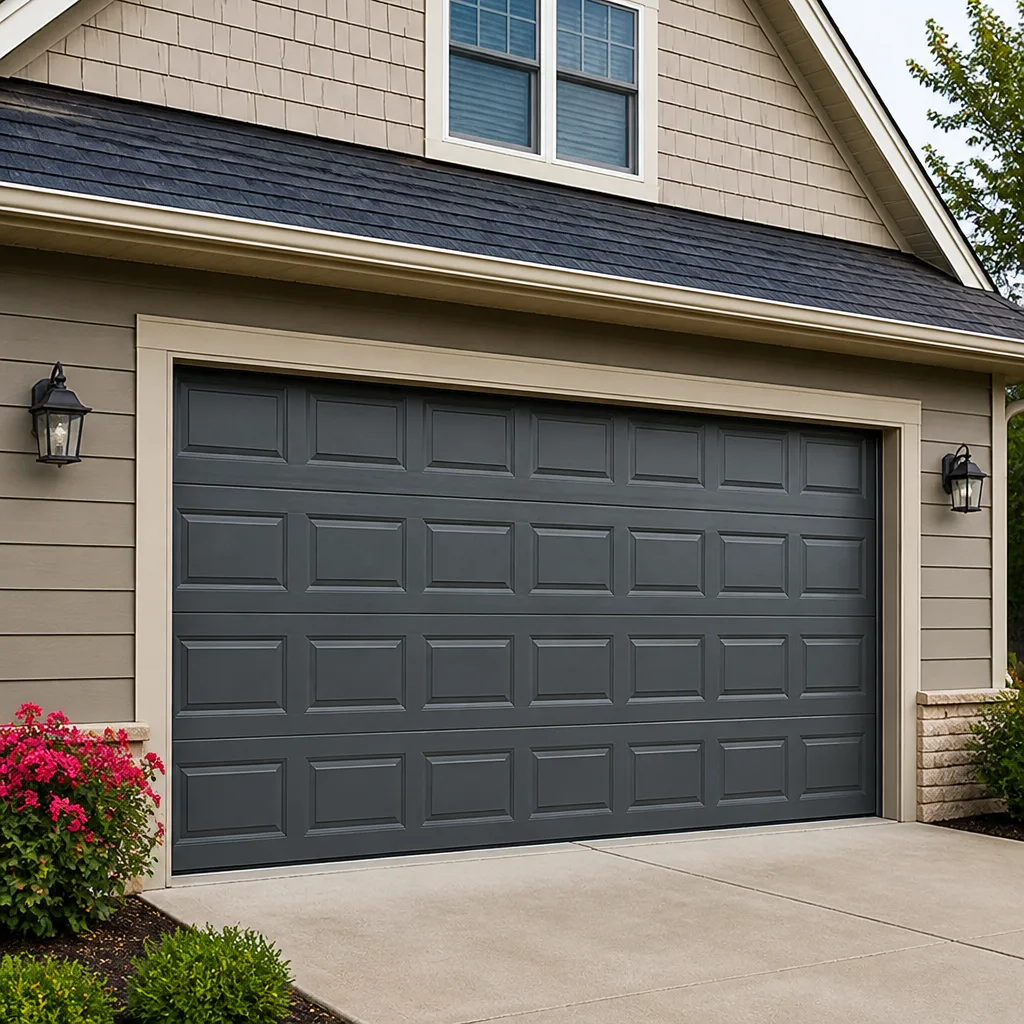 Raised-panel steel
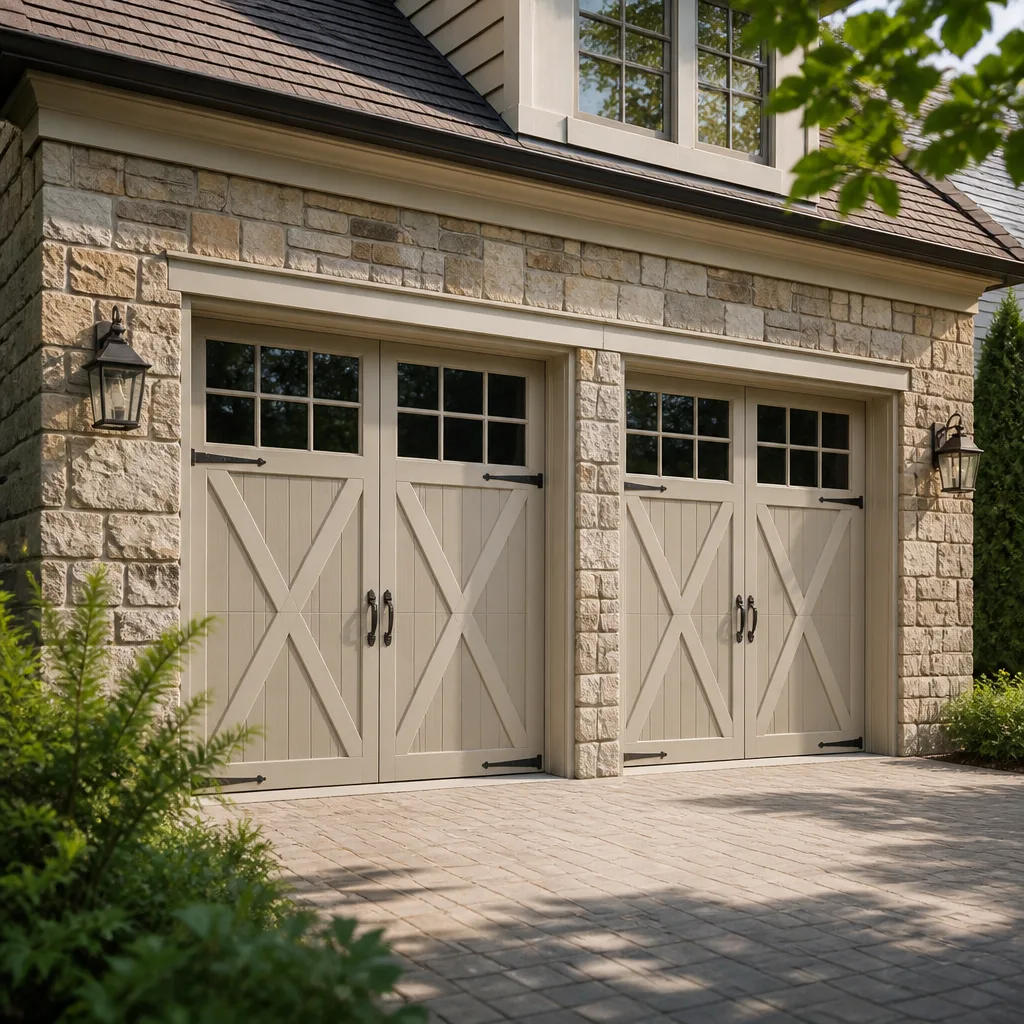 Carriage house
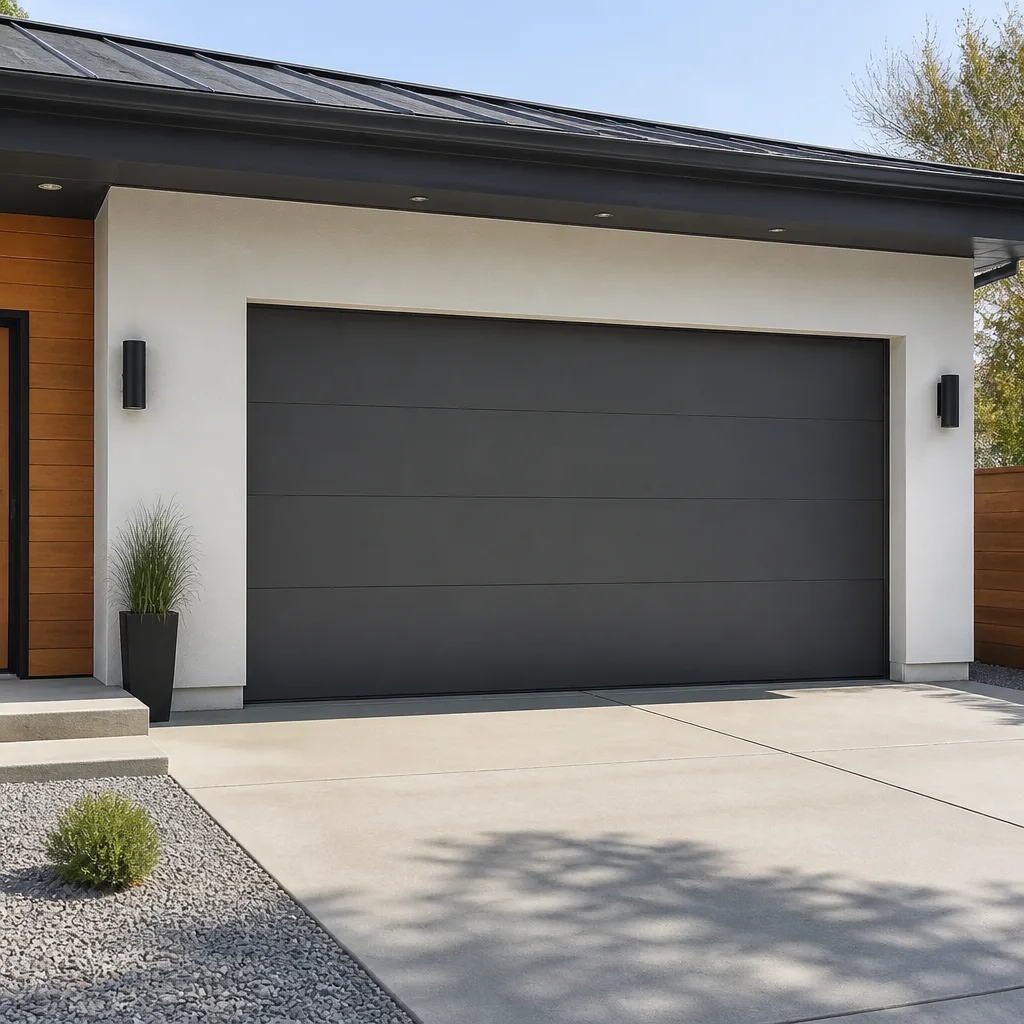 Modern flush
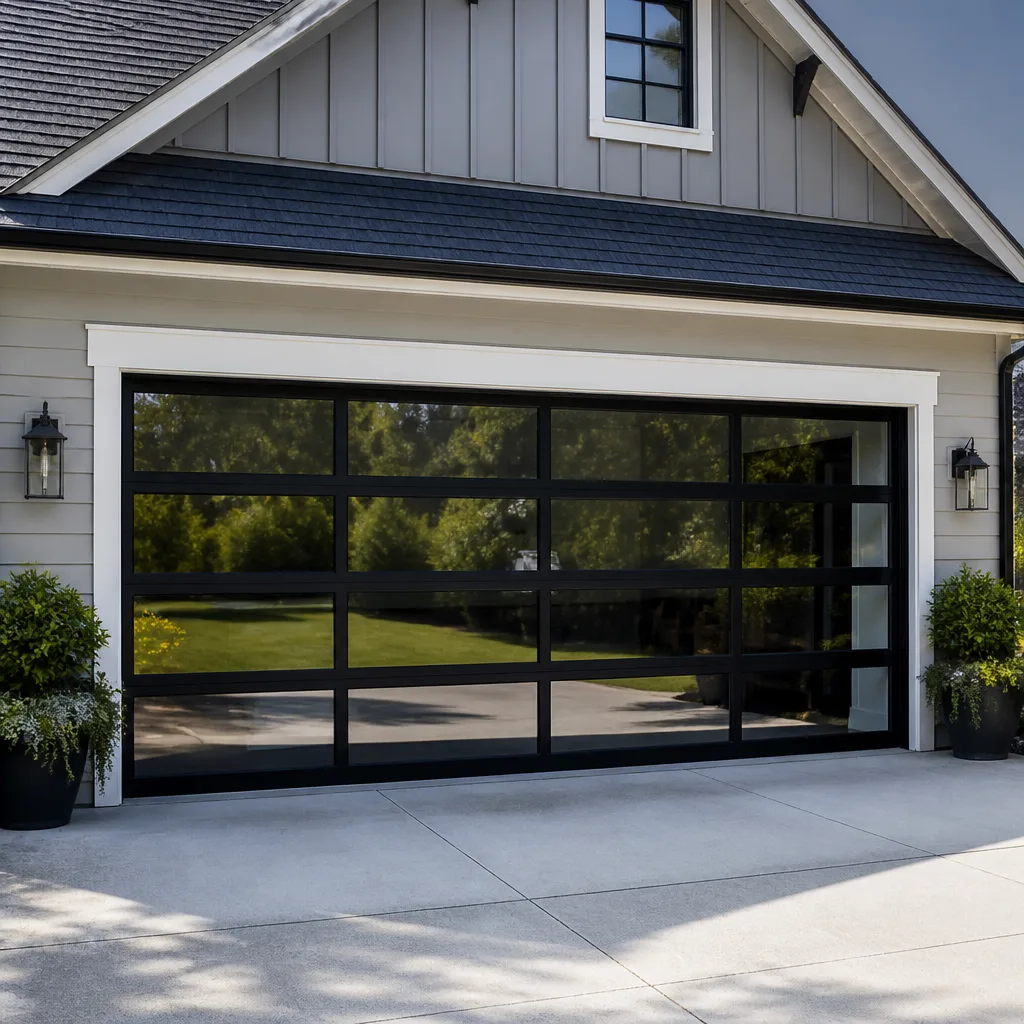 Full-view glass
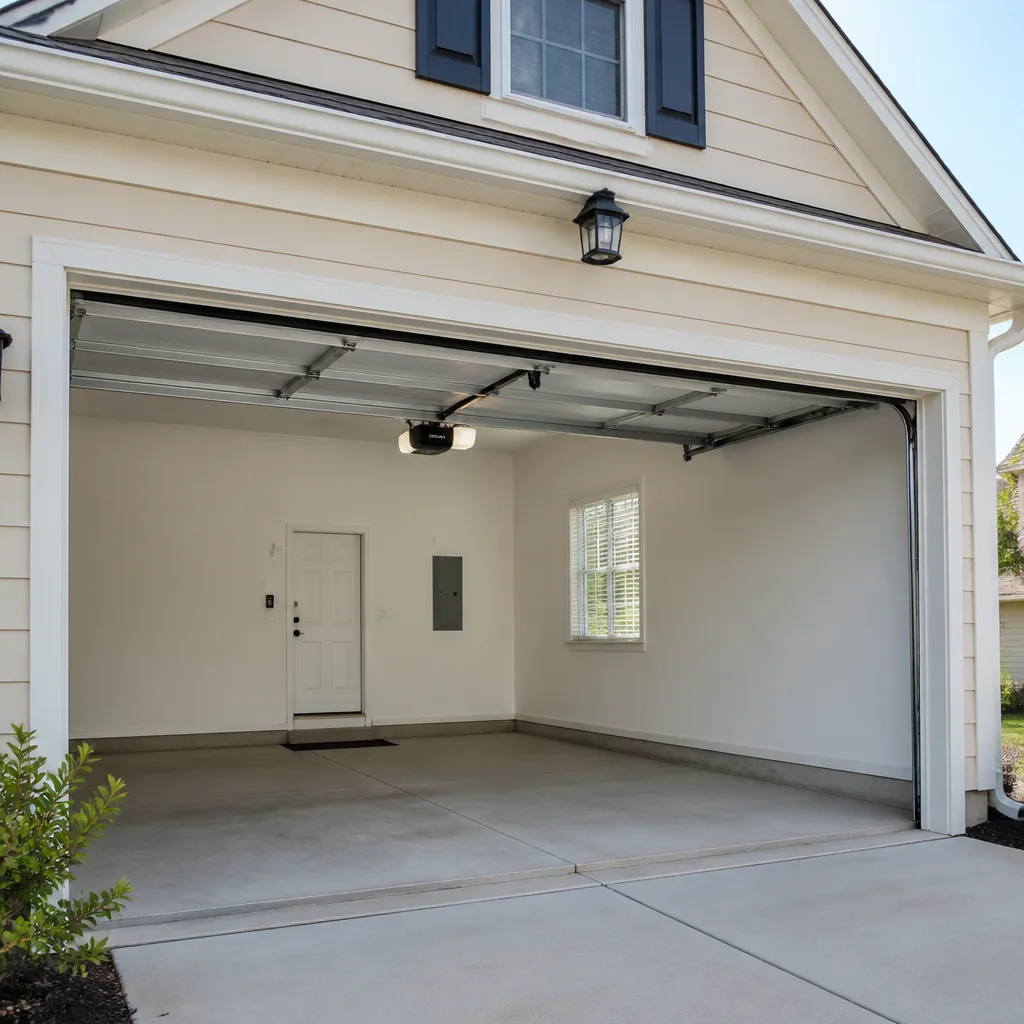 LiftMaster openers
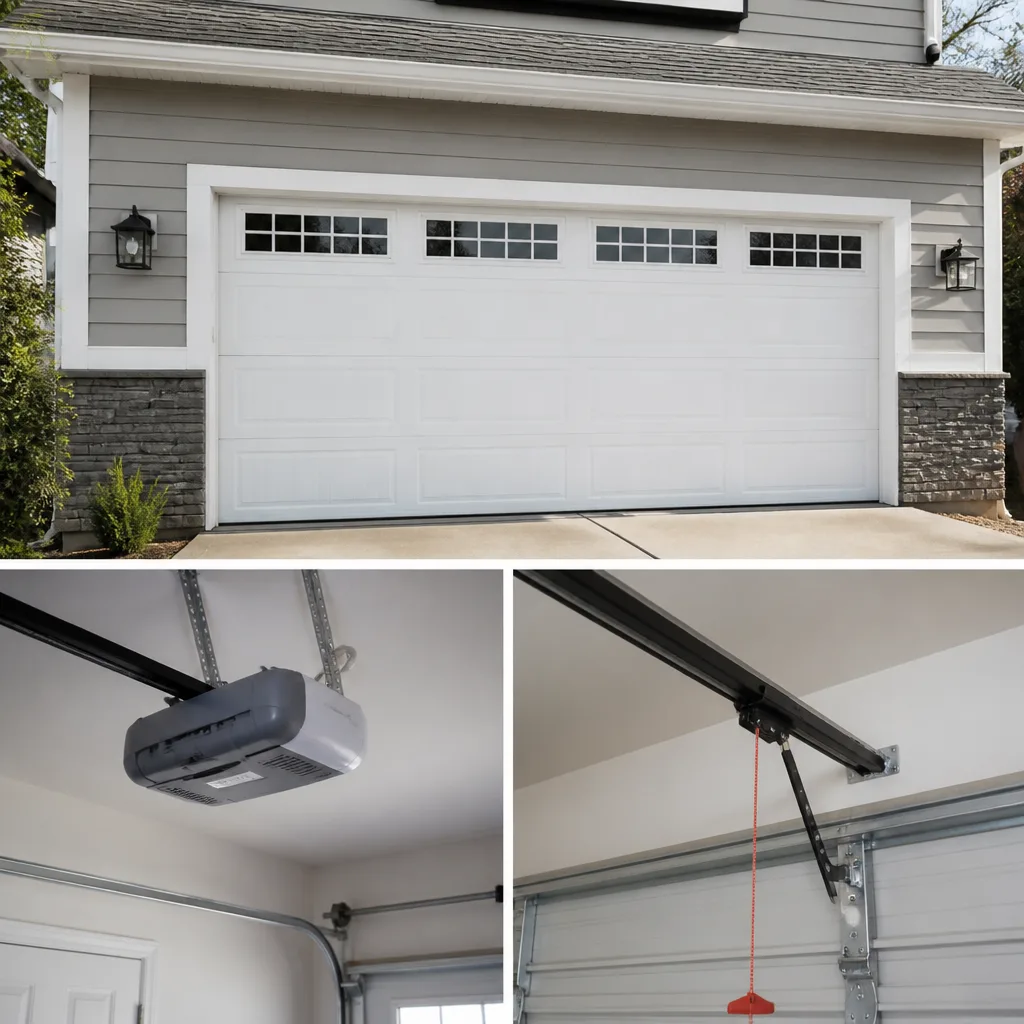 Chamberlain openers
Full 25-point door and opener safety check with every visit - springs, cables, rollers, tracks, and your LiftMaster or Chamberlain opener included
You get a price before we start. It does not change when the pro arrives.
Get your free estimateGarage Door Emergency Preparedness Guide for Enfield Homes
During a February ice storm with no power, the most common garage door mistake in Connecticut is forcing a frozen door open manually without disengaging the opener first. That single move can bend tracks and snap springs at the same time. Most garage door emergencies in Enfield aren’t really sudden. They’re the predictable result of a door that was never prepared for a hard freeze, a long outage, or a snapped spring at the wrong moment. This guide covers the three things every Enfield homeowner should set up before anything fails, the right way to operate a manual release, how to secure a home while waiting for repair, and how to tell whether a storm-damaged door is safe to touch.
Quick Answer
Garage door emergencies in Enfield cluster around winter storms, power outages, and the first hard freeze, and the three things worth knowing in advance are your spring type (torsion or extension), your opener model, and where your manual lock or slide bolt sits. If a spring breaks or a door comes off its track, don’t run the opener and don’t force the door; call a trained technician. Preparation is what separates a stressful morning from a five-minute fix.
Styles & brands we work with
- Raised-panel steel
- Carriage house
- Modern flush
- Full-view glass
- LiftMaster openers
- Chamberlain openers
Table of Contents
- Why Enfield Garage Doors Fail in Winter
- How to Use the Manual Release Cord Without Damaging the Door
- What to Do When a Spring Breaks Mid-Cycle
- How to Get a Vehicle In or Out Safely With a Broken Door
- How to Winterize a Malfunctioning Door and Secure the House
- The Three Things Every Enfield Homeowner Should Know Before an Emergency
- How to Judge Whether a Storm-Damaged Door Is Safe to Operate
- What Off-Track Actually Looks Like
Why Enfield Garage Doors Fail in Winter
Garage doors in Enfield take more seasonal punishment than most homeowners realize. The door is the single largest moving assembly attached to a house, and every part of it – springs, cables, rollers, hinges, weather seals, and the opener’s drive system – reacts to cold. When temperatures drop, steel contracts. Grease thickens. Rubber seals stiffen. A door that glided quietly in October starts to drag by January, and that drag adds load to springs that are already near the end of their rated cycle life.
Power outages are the second half of the problem. When the grid goes down in a winter storm, the opener stops responding while the door is still heavy and under tension. Homeowners naturally reach for the manual release, and that’s where most damage happens. The door is designed to be released safely, but only in the right sequence and only when the tension is in the right place.
There’s a third pattern we see repeatedly across Enfield: the first hard freeze catches doors that were never lubricated or serviced in fall. A stiff door and a cold morning combine to snap a torsion spring in the middle of a cycle – usually right as someone is backing out. That’s why preparation beats response. If your door has been sluggish, noisy, or slow to close since October, it’s already telling you something is wearing. The work you do in November and December is what keeps February uneventful.
If you’ve noticed a door that’s dragging or a spring that’s already showing wear, our garage door repair service handles the inspection and the fix before winter turns a small problem into a mid-storm emergency.
How to Use the Manual Release Cord Without Damaging the Door
The manual release cord is a safety feature, not a shortcut. Used correctly, it lets you open and close a heavy door during a power outage without harming the opener or the springs. Used incorrectly, it’s how tracks bend and doors come down hard. Here’s the right sequence.
- Check the door first. Before you touch the cord, look at the door. Is it fully closed? Are the springs intact? Is anything visibly off-track? If a spring is broken or the door is crooked, do not release it. Stop and call.
- Locate the release cord. It hangs from the opener’s trolley on the rail, usually a red handle with a rope. If you have a slide lock or manual bolt on the door itself, release that first, but only if the door is fully closed.
- Pull straight down, firmly, once. Don’t yank sideways. You should hear the trolley click and see it separate from the door arm.
- Lift the door slowly by hand. A well-balanced door should lift with moderate effort and stay where you leave it. If it feels unusually heavy or drops on its own, stop – that’s a spring or balance problem, not a release problem.
- When power returns, re-engage carefully. Push the trolley back into the door arm by hand, or run the opener briefly to bring the carriage back to the trolley and let it snap into place.
The single biggest mistake in Enfield cold snaps is pulling the release when a frozen door is stuck to the floor. The door doesn’t move, the opener thinks it’s disconnected, and when it later re-engages, it yanks a stuck door against frozen seals – bending the top section and stressing the springs at once. If the door is frozen to the floor, break the seal free by hand from the outside before you release anything.
We’ve also seen homeowners pull the release on a door with a broken spring, then try to lift it. That’s a serious injury risk. A torsion spring under tension can fail dramatically, and a door with a broken spring is far heavier than it looks. Leave it alone and call.
What to Do When a Spring Breaks Mid-Cycle
A spring failure is loud – usually a sharp bang followed by a door that suddenly feels much heavier or won’t open at all. If you’re in the car or standing in the garage when it happens, the right response is simple: stop. Don’t run the opener again. Don’t push or pull the door. Don’t try to inspect the spring up close.
Torsion springs and extension springs store a large amount of energy. When one snaps, the stored energy is released all at once, and cables can go slack, the door can drop unevenly, and a loose spring can whip. This is the one failure in the garage door trade we treat as genuinely dangerous to touch. Our technicians have up to 15 years of experience with spring systems specifically, and that experience is what tells them how to safely unwind and replace the assembly.
If a spring breaks mid-cycle, here’s what to do:
- Leave the door where it stopped. If it’s partly open, leave it partly open and keep people clear.
- Unplug the opener or pull the release on the wall control. The opener shouldn’t be asked to lift a door with a broken spring.
- Keep cars and children away from the door path. A door held only by one spring can drop without warning.
- Call for spring repair. Bring your spring type (torsion or extension) and opener model to the call if you know them.
A matched pair of springs is usually replaced together, since the second spring on a door that age is at essentially the same point in its cycle life. One spring failing is a strong signal the other is close behind. If you’re booking garage door spring repair, ask the technician to assess both.
One more thing: don’t let anyone talk you into lifting a door with a broken spring to “just get the car out.” If you need the car out, use a manual release only after the door is confirmed balanced on the remaining spring, and only if a technician has told you it’s safe. In most cases, waiting is the safer call.
How to Get a Vehicle In or Out Safely With a Broken Door
A broken garage door often creates a second problem: the car is trapped inside, or stuck outside blocking the driveway. There’s a safe way to handle this and a way that tends to end in bent panels. Here’s how to think about it.
- Determine the failure type. A broken spring, a snapped cable, or a door off its track all require a different response. If the door is on its track and the opener has simply failed, you may be able to release it and lift it by hand with care. If a spring or cable has failed, that door doesn’t lift safely by hand.
- If the opener is dead but the door is mechanically sound, use the manual release as described above. Lift the door by hand with the car moved well clear, drive out, then lower it gently and re-engage.
- If a spring or cable has broken, don’t force the door. In many cases the door can be left as it is, and the car can leave through a different route, or wait for repair.
- If a vehicle is trapped and you must get out, call a garage door specialist and describe the state of the door. A trained technician can often rig the door safely or lift it in a controlled way.
- Never push a stuck car through a partly open door. The door may drop, or the car may strike the bottom section and buckle the panel.
We’ve seen more damage caused by a hurried attempt to free a trapped car than by the original failure. A bent bottom section or a door pushed off its track turns a spring repair into a full panel replacement, and that’s a much bigger job. If you’re not sure whether the door is safe to lift, the answer is usually to leave it and call.
How to Winterize a Malfunctioning Door and Secure the House
If a door fails during a storm and the next available repair is a day or two out, the priority shifts from getting the door working to keeping the house secure and watertight. A garage door that won’t close fully leaves the whole house vulnerable to snowmelt, wind-driven rain, and cold air – and on an attached garage, that cold finds its way into the house quickly.
Here’s the practical playbook:
- Close the door as far as it will safely go. Don’t force it if a panel or track is bent. Stop at the point of resistance.
- Seal the gap from the inside. A folded blanket, rolled tarp, or heavy cardboard wedged between the door and the floor reduces drafts and keeps meltwater from running in under the door.
- Brace the door from the inside if it’s partly open. A broom handle or length of lumber cut to fit between the bottom of the door and the floor slows a door that wants to drop. Don’t rely on this as a permanent fix; it just gets you through the night.
- Unplug the opener. A door that looks stuck may still get a signal from a wall control, remote, or smart app. Unplugging prevents an accidental cycle.
- If the garage is attached, close the door between the garage and the house and check that any vents are clear of snow.
- Clear snow and ice from the door’s opening path so the repair technician can raise it when they arrive.
None of these substitutes for a proper repair, but they’ll hold a home in Enfield through a snowy night without letting in cold air or drifting snow. If a door is warped or off-track, a temporary seal is a stopgap – the door needs an actual fix before it’s relied on as a barrier.
If you’re dealing with a dead opener on top of everything else, our garage door opener repair service covers opener electronics as well as the door itself, so one call handles both.
The Three Things Every Enfield Homeowner Should Know Before an Emergency
The best emergency prep for a garage door is information you can gather on a mild afternoon. When something fails, you don’t want to be crawling under a door or guessing at brand names. These three facts are the ones a technician will ask for first.
1. Your spring type
Torsion or extension. Torsion springs sit horizontally above the middle of the door and twist. Extension springs run along the sides above the tracks and stretch. The type determines how the door is safe to release and what a replacement involves. On a torsion setup, the springs are under high tension and should never be adjusted by a homeowner. Extension springs are less dramatic but carry their own safety concerns. Knowing which type you have means you can tell a technician what to expect, and you’ll know when to stop touching the door.
2. Your opener model
Find the label on the back or side of the opener housing and note the brand and model. Enfield homes run everything from older Craftsman units to current LiftMaster and Chamberlain models, and the correct troubleshooting path differs by brand. Knowing your model means the technician arrives with the right part on hand instead of a return trip on their schedule.
3. Your manual lock location
If your door has an internal slide lock or a bolt that secures the door when the opener is disengaged, know where it is. A door that’s manually locked and then cycled by the opener is a common cause of snapped arms and bent doors. Locating the lock now takes minutes. Finding it during an outage in the dark is what usually goes wrong.
Write all three down – a note on the inside of the garage wall works, or a photo on your phone. If you’re not sure how to identify your spring type or opener model, our technicians can inspect and confirm on a scheduled visit, and we work with eight major brands: LiftMaster, Chamberlain, Genie, Clopay, Amarr, Wayne Dalton, Craftsman, and Raynor.
How to Judge Whether a Storm-Damaged Door Is Safe to Operate
After a hard storm, the question isn’t “does the door open” – it’s “is the door safe to open.” A door that runs smoothly may still have damage you can’t see, and a door that looks bent might be safe enough to close and secure. Here’s how to sort it out from the outside looking in.
- Look at the door from outside the garage, on the ground. Check that the bottom edge sits evenly on the floor across the whole width. A gap on one side means the door is out of balance or the track is bent.
- Look at the panels from the side. A warped panel is often only visible at an angle. Walk along the length of the door and check the panel joints.
- Check the tracks for obvious bend or separation. Look at the vertical tracks on both sides and the horizontal tracks overhead. A visible kink anywhere means the rollers can’t travel freely.
- Check the cables. Both cables should be taut. A slack cable or one that’s come off its drum is a stop sign.
- Don’t test it with the opener. If anything above looks off, leave the door in its current position and call.
Storm damage in Enfield is usually impact or wind damage rather than anything violent, so a door that looks okay may still have a bent hinge, a popped roller, or a strained spring. If you’re unsure, keep the door where it is and have it looked at. A short inspection is cheaper than a panel replacement.
What Off-Track Actually Looks Like
“Off-track” is one of the most misunderstood terms in garage door repair, partly because the door can look fine from the driver’s seat and badly wrong from two feet away. Here’s what it actually means.
A door is on track when both sets of rollers sit inside the vertical tracks as the door travels up, and inside the horizontal tracks as the door travels overhead. A roller is off-track when it has jumped out of the channel, or when the track itself has bent enough that the roller can’t follow the channel.
From the outside, off-track usually looks like one of these:
- One side of the door sits noticeably higher than the other at the bottom seal, so there’s a wedge-shaped gap.
- The door doesn’t sit flush with the wall – one edge is standing away from the frame by an inch or more.
- A vertical track is noticeably bent or leaning where it attaches to the frame.
- The door hangs crooked when open, with one corner much lower than the other.
From the inside, it’s easier to spot: a roller popped out of its track, a bent arm on the door, a track pulled away from the jamb, or a cable looped wrong. If you can see any of these, don’t run the opener. An off-track door can drag its rollers out entirely and drop. If you’re in doubt, leave the door where it is and call. Our Enfield Garage Door Repair team can come out, diagnose the exact cause, and tell you whether a track adjustment is enough or a panel replacement is needed.
Common Mistakes to Avoid
- Pulling the manual release on a frozen door. This is the classic winter mistake in Enfield. Break the seal free by hand first, then release the opener. Otherwise the opener later re-engages and yanks a stuck door against frozen weather seals.
- Cycling a door with a broken spring. Running the opener on a door with a snapped spring puts the full weight of the door on the opener’s drive system – burning out the motor, bending the arm, or worse, dropping the door. Unplug the opener and leave the door alone.
- Forcing an off-track door back by hand. A door that’s come off its track can drop hard once the rollers clear. Don’t push it back into position yourself; call for diagnosis.
- Adjusting torsion springs without training. This is one of the most dangerous DIY repairs in the home. Torsion springs under tension can cause serious injury. Leave the adjustment to a trained technician.
- Ignoring a door that’s been slow or noisy all fall. A dragging door in October is a warning about January. Have it serviced before freeze-up; the cost is small compared to emergency repair.
- Never checking the manual lock. Cycling the opener with the slide lock engaged is a common way to snap the door arm and bend the top section. Know where your lock is and check it before running the opener after any manual use.
- Testing a storm-damaged door from inside the car. If the panel alignment, track, or cables look wrong, don’t run the opener to “see if it works.” Visual inspection first, from outside the door, on foot.
See the difference
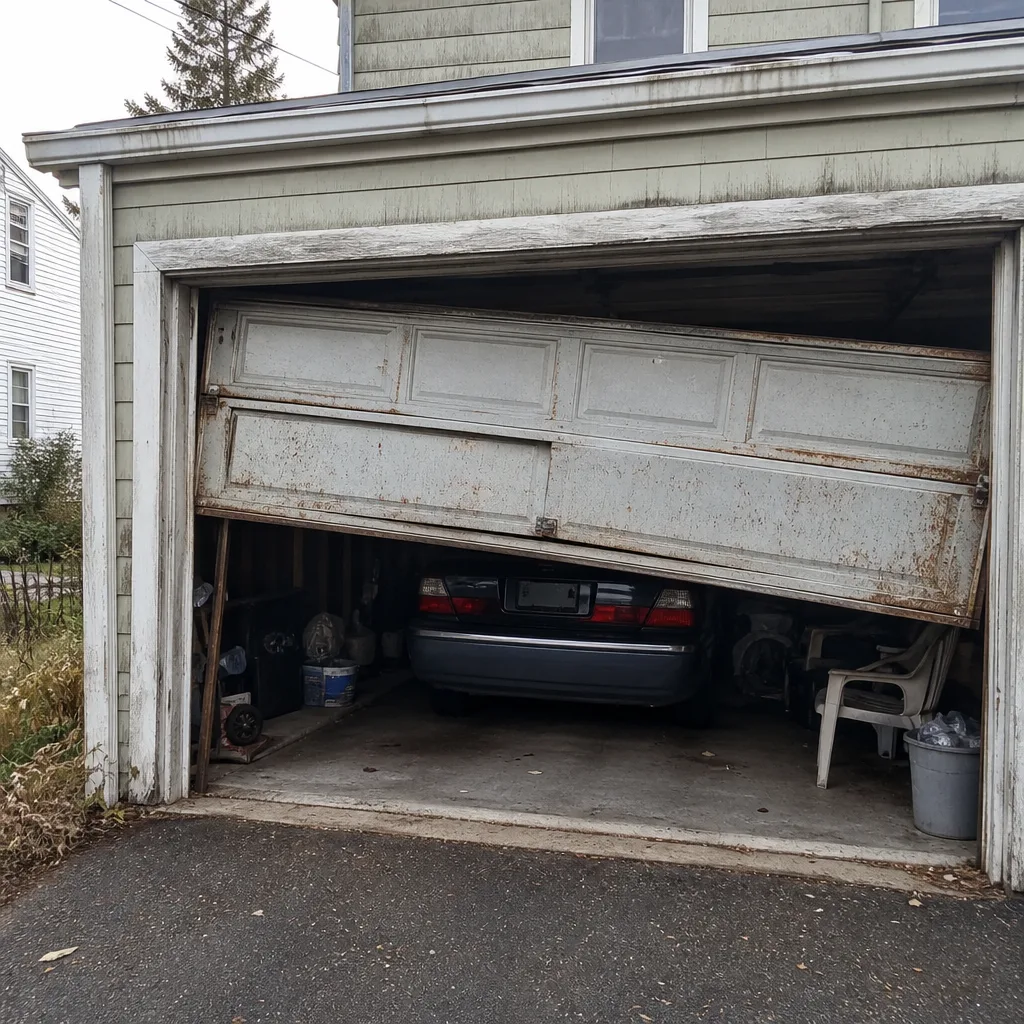 Before
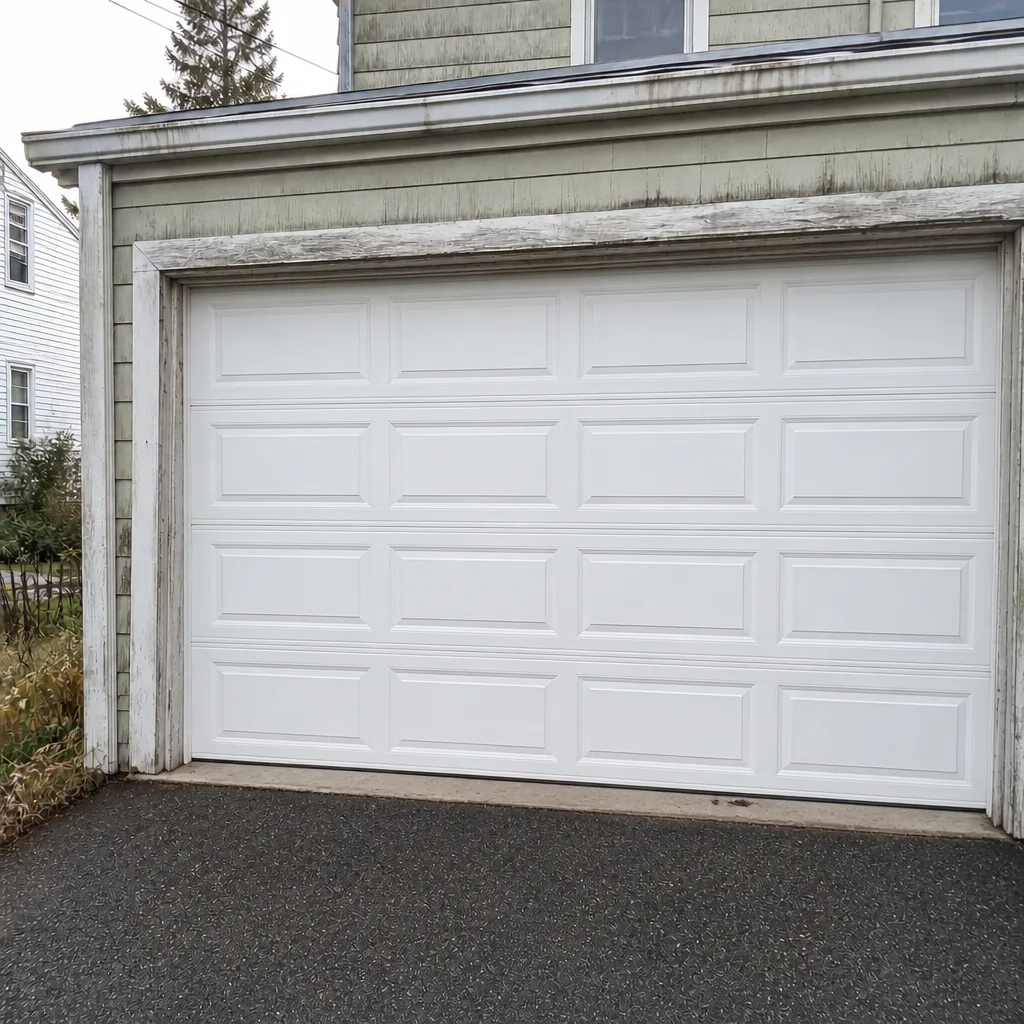 After
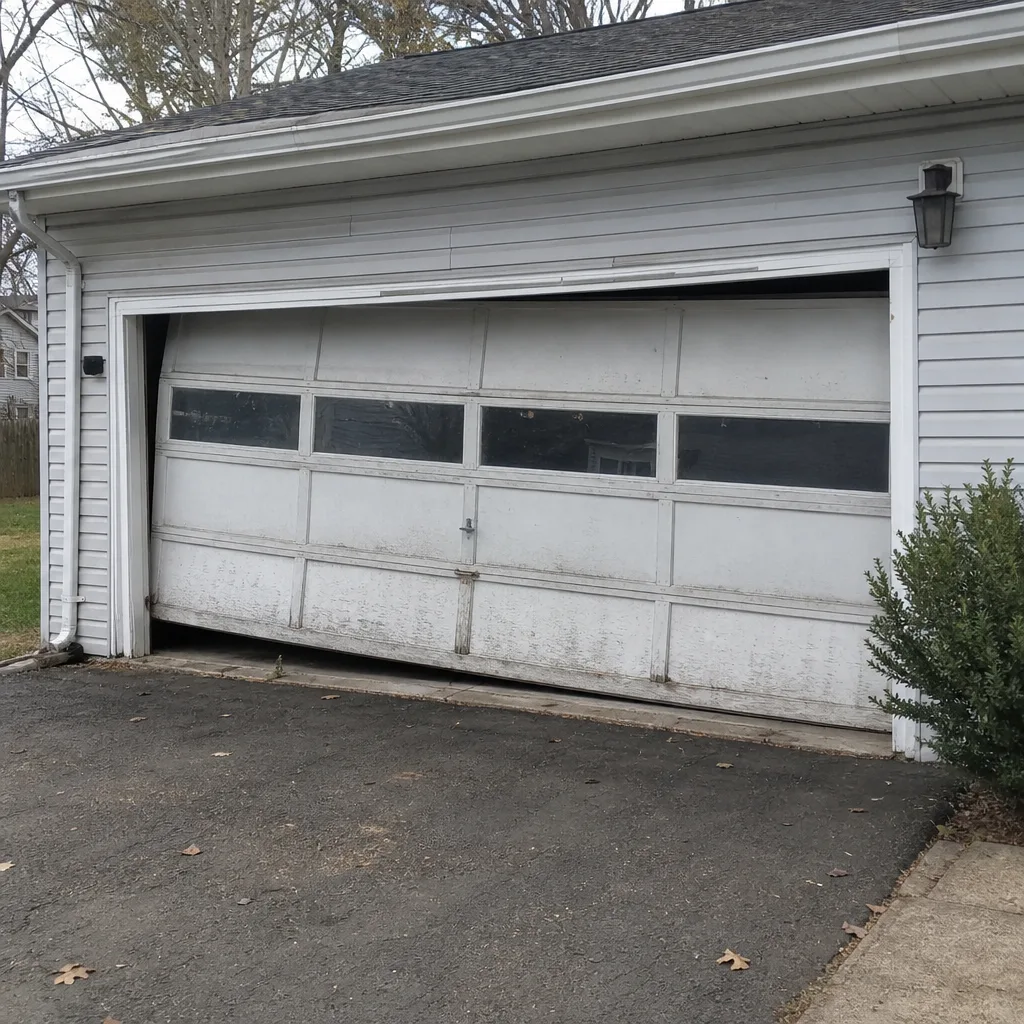 Before
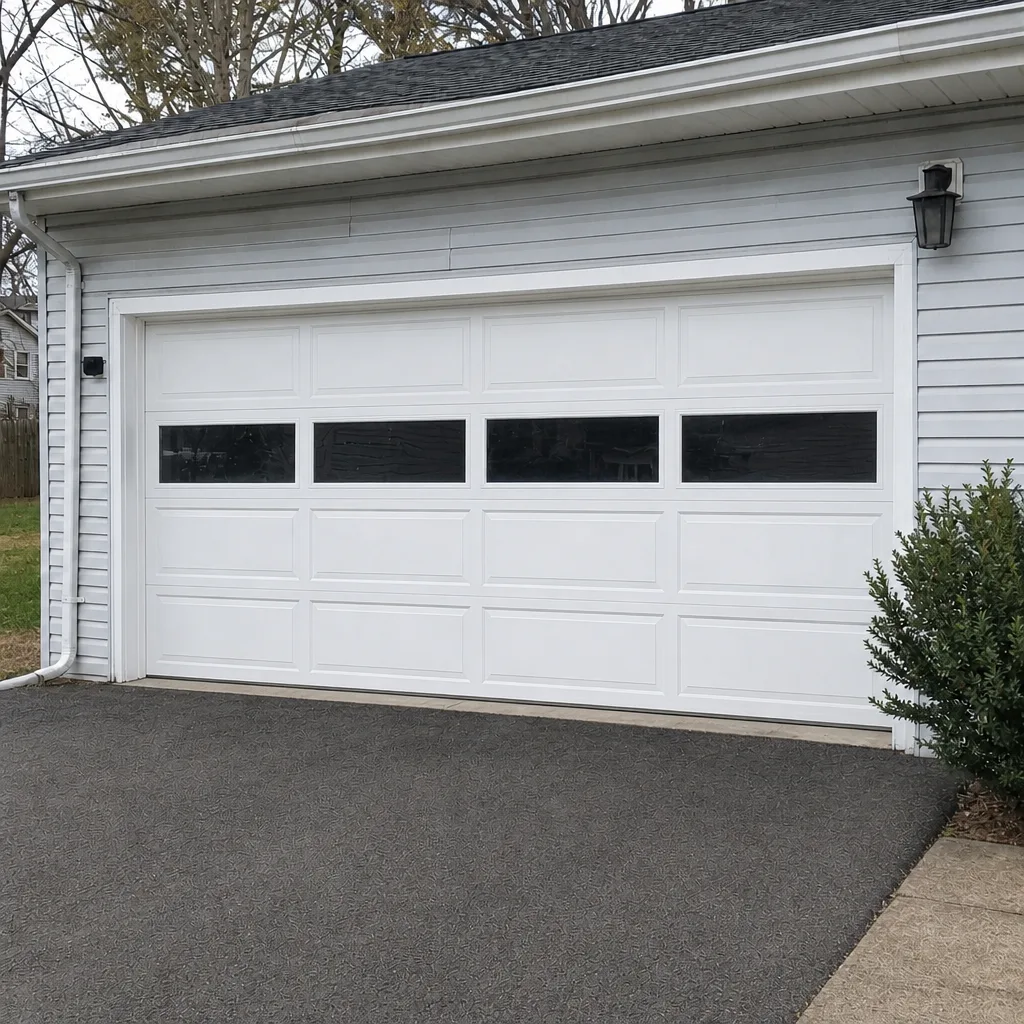 After
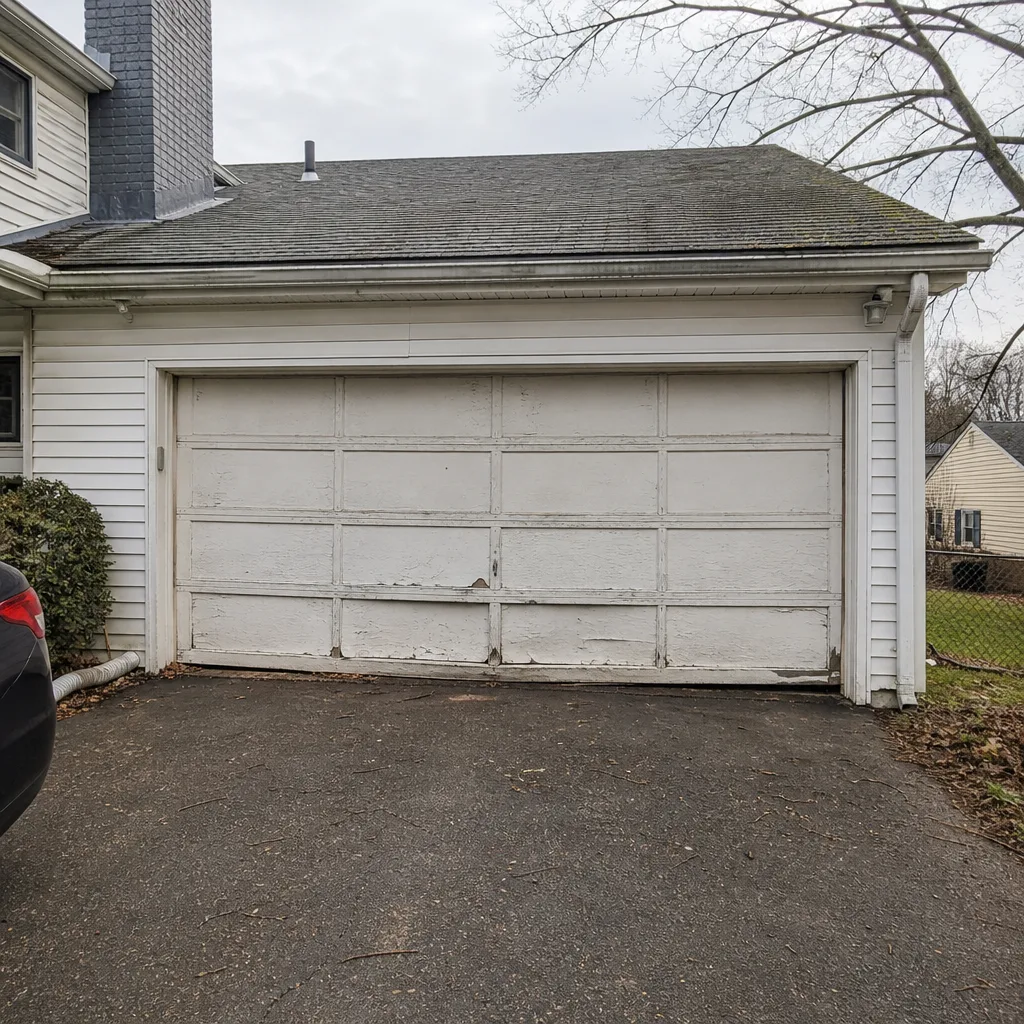 Before
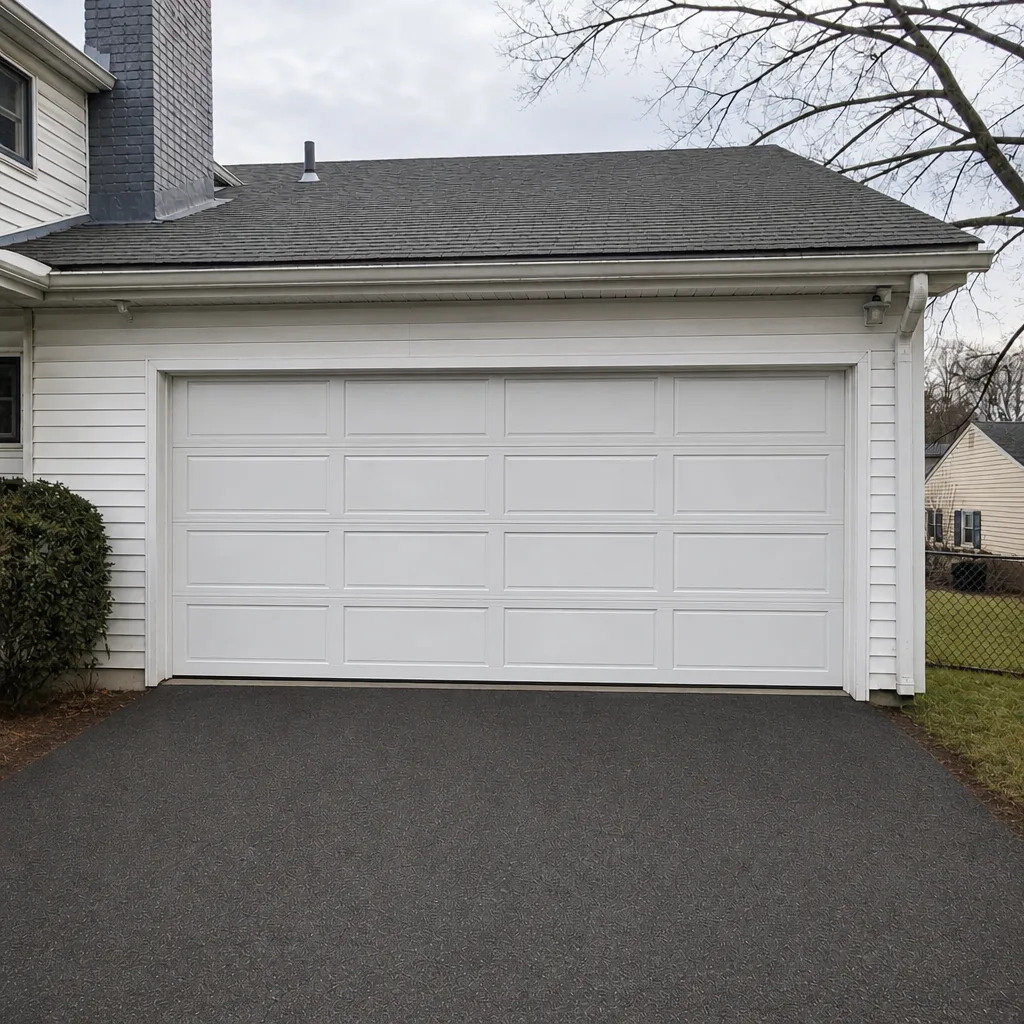 After
When to Call a Professional
Some garage door problems really do need a trained technician, and recognizing them early saves time, money, and injury. Call a professional when a spring has snapped, when a cable is slack or off its drum, when the door is off its track or visibly crooked, when the opener cycles but the door doesn’t move, or when you hear a loud crack that changes how the door feels. Stop-immediately situations include anything where the door is held up by only part of its spring system, and any visible bend in a torsion tube or overhead track. Spring repair in particular is one of the highest-risk tasks in the trade. Enfield Garage Door Repair offers free estimates in Enfield, covers spring repair, opener repair, full installation, and emergency garage door service, and works with the brand of door and opener already on your home. Call (833) 468-5947 and describe what you’re seeing.
Frequently Asked Questions
Pull the manual release cord straight down once to disengage the opener, then lift the door by hand slowly. Only do this after checking that the door is closed evenly and no spring or cable is broken. If the door feels unusually heavy or won’t stay where you leave it, stop and call – that’s a balance problem you shouldn’t force. Call (833) 468-5947 if you’re not sure the door is safe to release.
Stop using the door and unplug the opener. Leave the door in its current position and keep people and vehicles clear of it. Don’t try to inspect or adjust the spring yourself; torsion springs are under high tension and a failure can cause serious injury. Call us for spring repair, and expect a matched pair to be assessed together. Estimates are free.
Emergency service is part of what we offer specifically so a stuck door doesn’t have to wait, and same-day scheduling is often possible for spring, cable, and off-track failures. Call (833) 468-5947 and describe the state of the door so we can book the right visit. Replacement and full installation work is measured, ordered, and scheduled rather than same-day.
No, the price is quoted and agreed before any work starts. We look at the door, explain what’s needed, and give you a written estimate. If additional work is required beyond the original scope, we’ll tell you before we do it and get your approval. Estimates are free, so call (833) 468-5947 for an exact quote.
Don’t move it by hand. An off-track door can drop suddenly once the rollers clear, and a door that looks only slightly bent can still fail mid-lift. Keep the door where it is, don’t run the opener, and call us for diagnosis. If a panel is warped or a track is kinked, that’s usually a quick repair – but only once it’s on site.
Look for the label on the back or side of the opener housing for the opener brand and model, and check the door’s edge or inner panel for the manufacturer’s label. LiftMaster, Chamberlain, Genie, Clopay, Amarr, Wayne Dalton, Craftsman, and Raynor are the brands we work with most, so there’s a good chance we know yours. If you can’t find the label, note what you can see and we’ll identify it on the visit.
The Bottom Line
Garage door emergencies in Enfield are almost never truly sudden. A frozen door forced past the opener, a spring cycled after it snapped, a door run off its track – these are failures that preparation prevents. Before winter, learn your spring type, your opener model, and your manual lock location. During an outage, release the opener properly and check the door before you touch anything. After a spring failure or a storm, stop, unplug, and call. Our technicians have up to 15 years of experience, we work on the brand already on your door, and our goal is always a door that opens safely, not a sales pitch. If something isn’t right, call Enfield Garage Door Repair at (833) 468-5947 for a free estimate and straightforward answers.
Written by the team at Enfield Garage Door Repair.