Last updated November 23, 2026
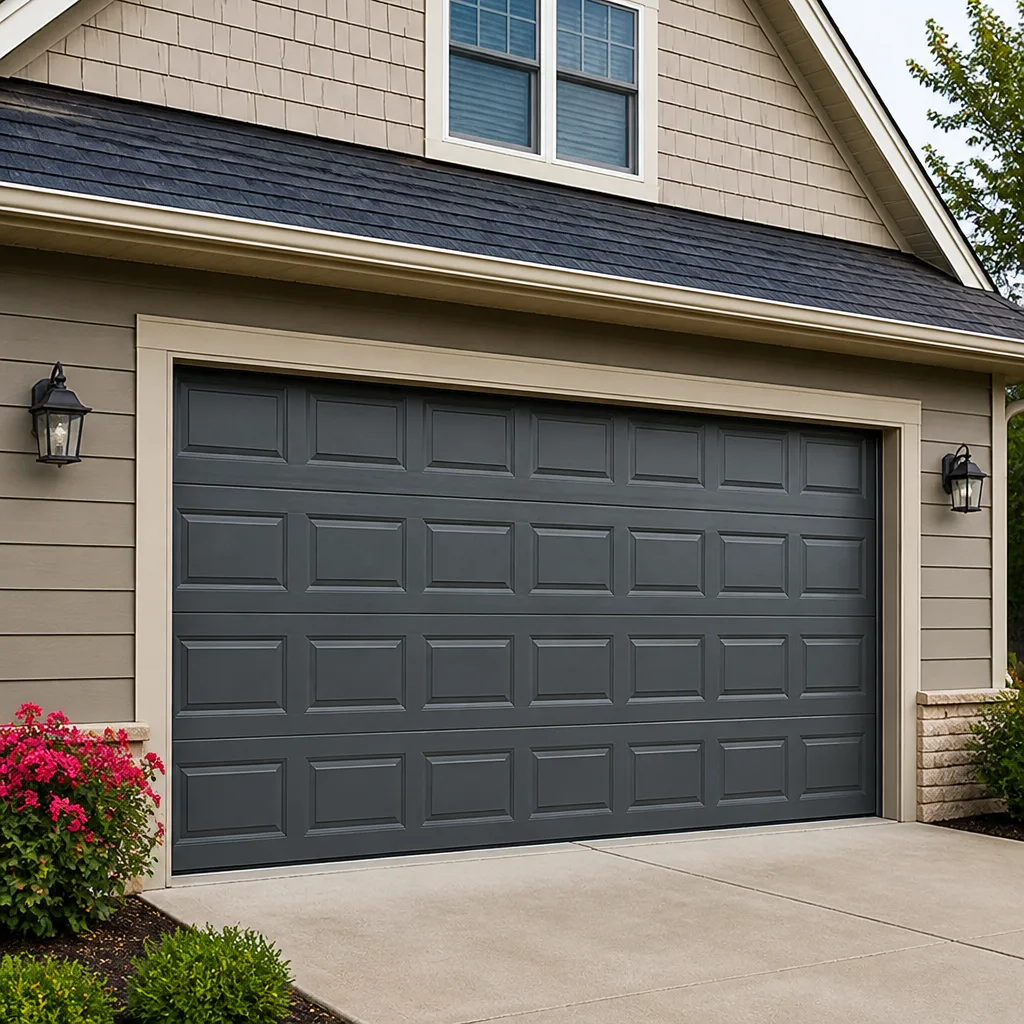 Raised-panel steel
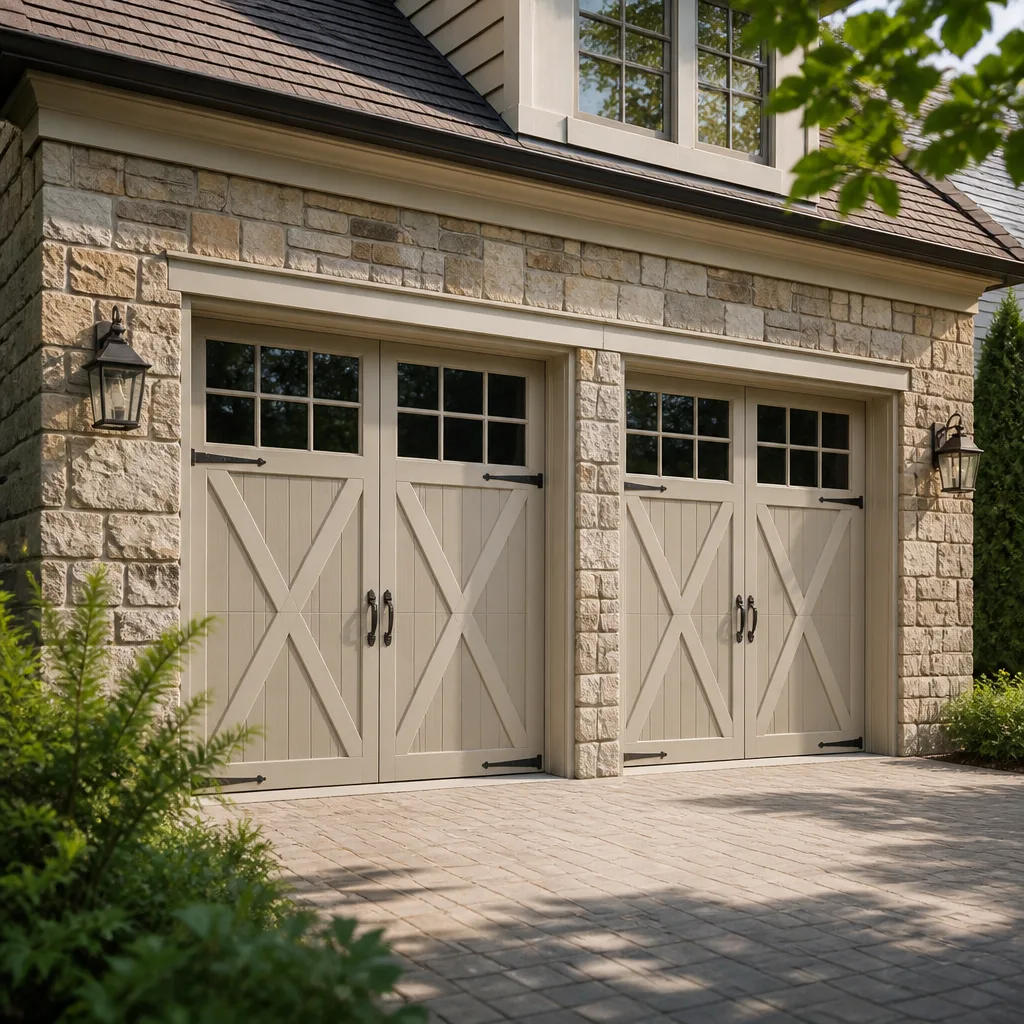 Carriage house
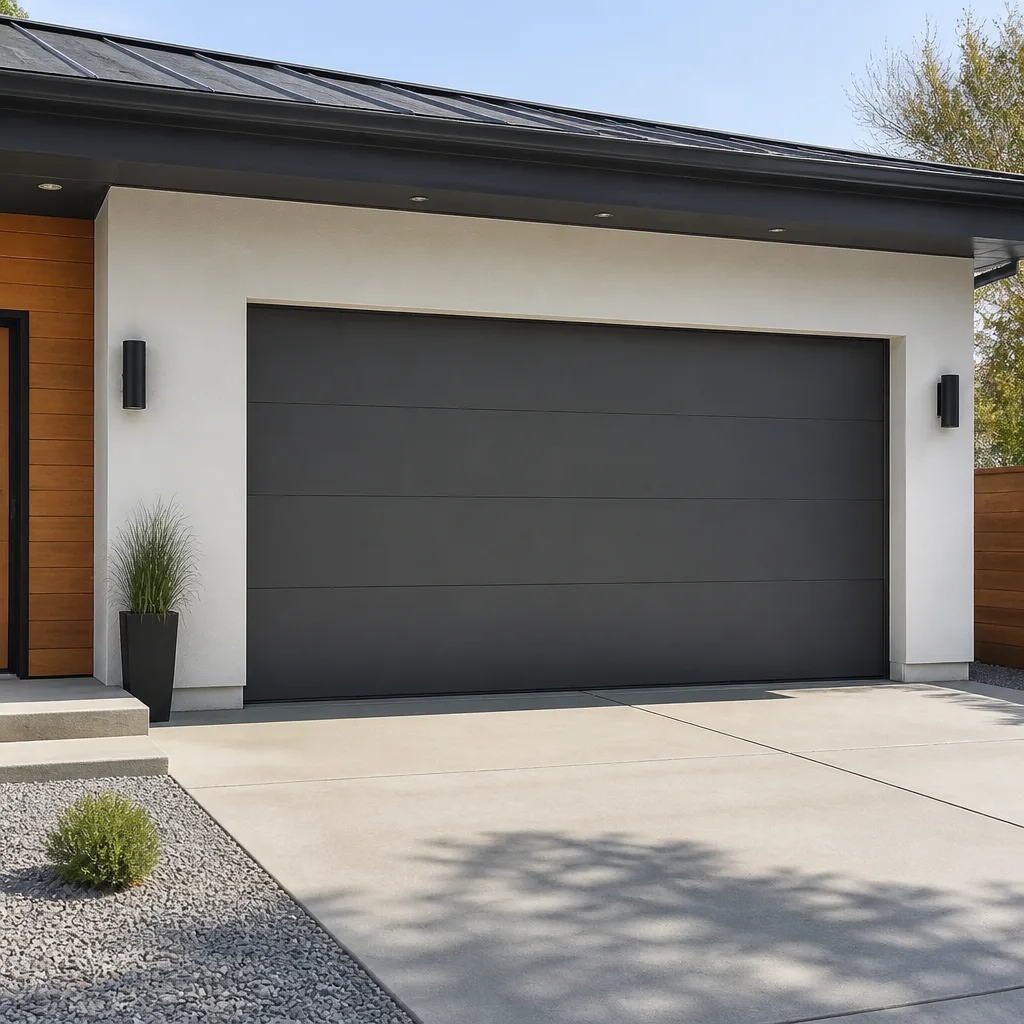 Modern flush
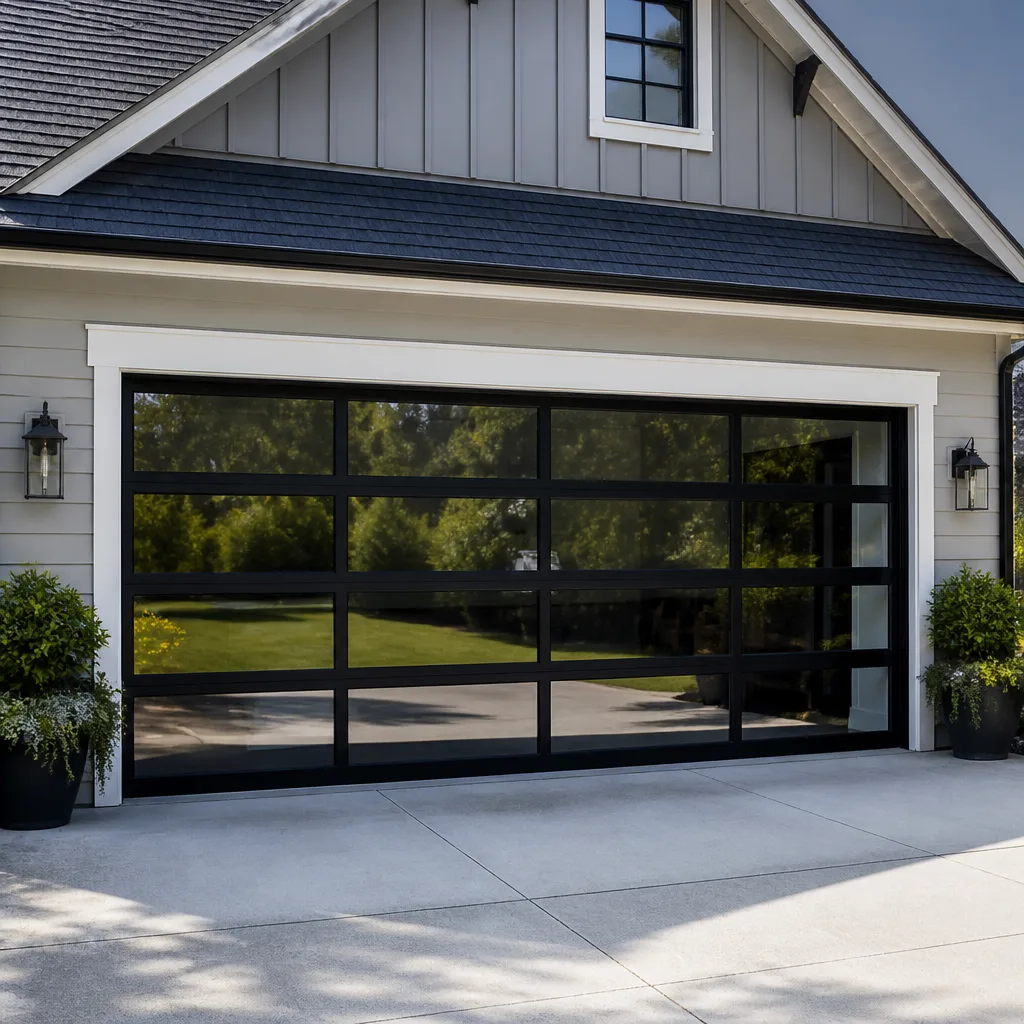 Full-view glass
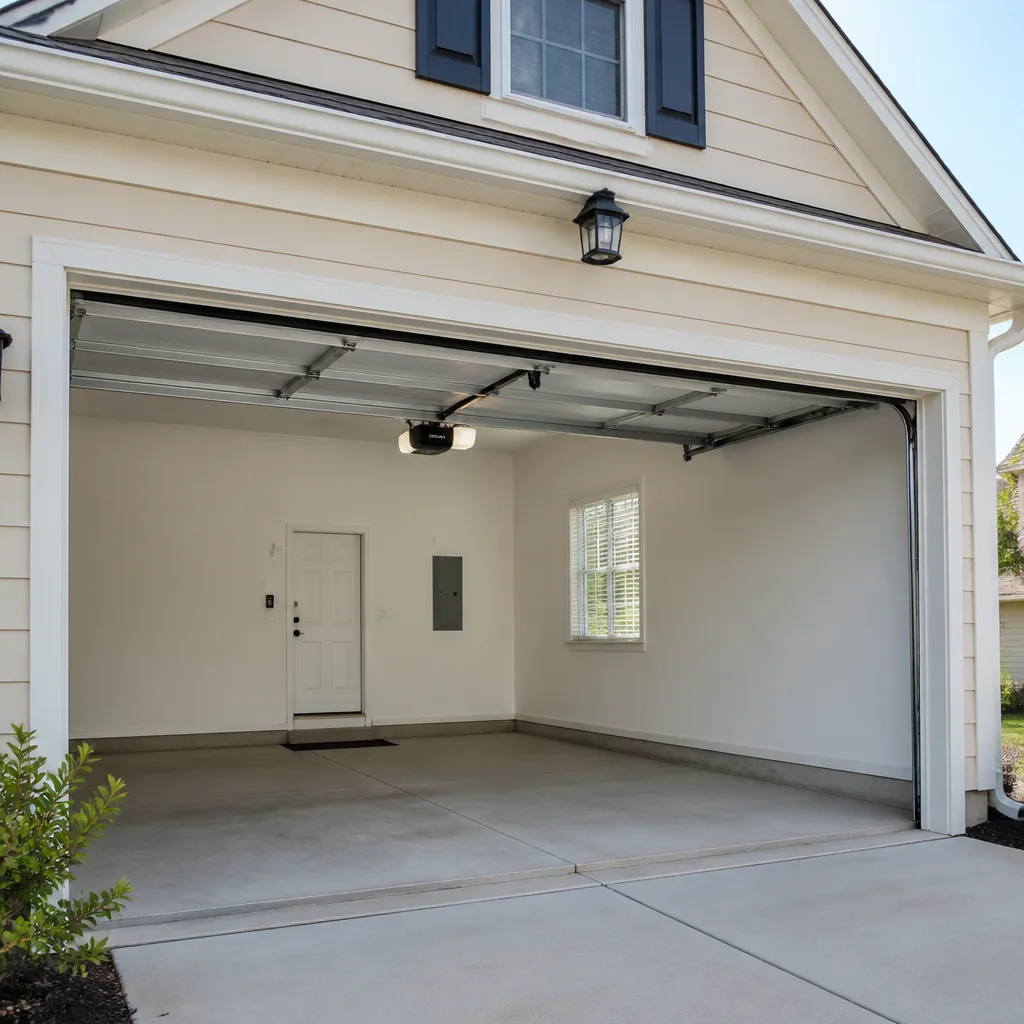 LiftMaster openers
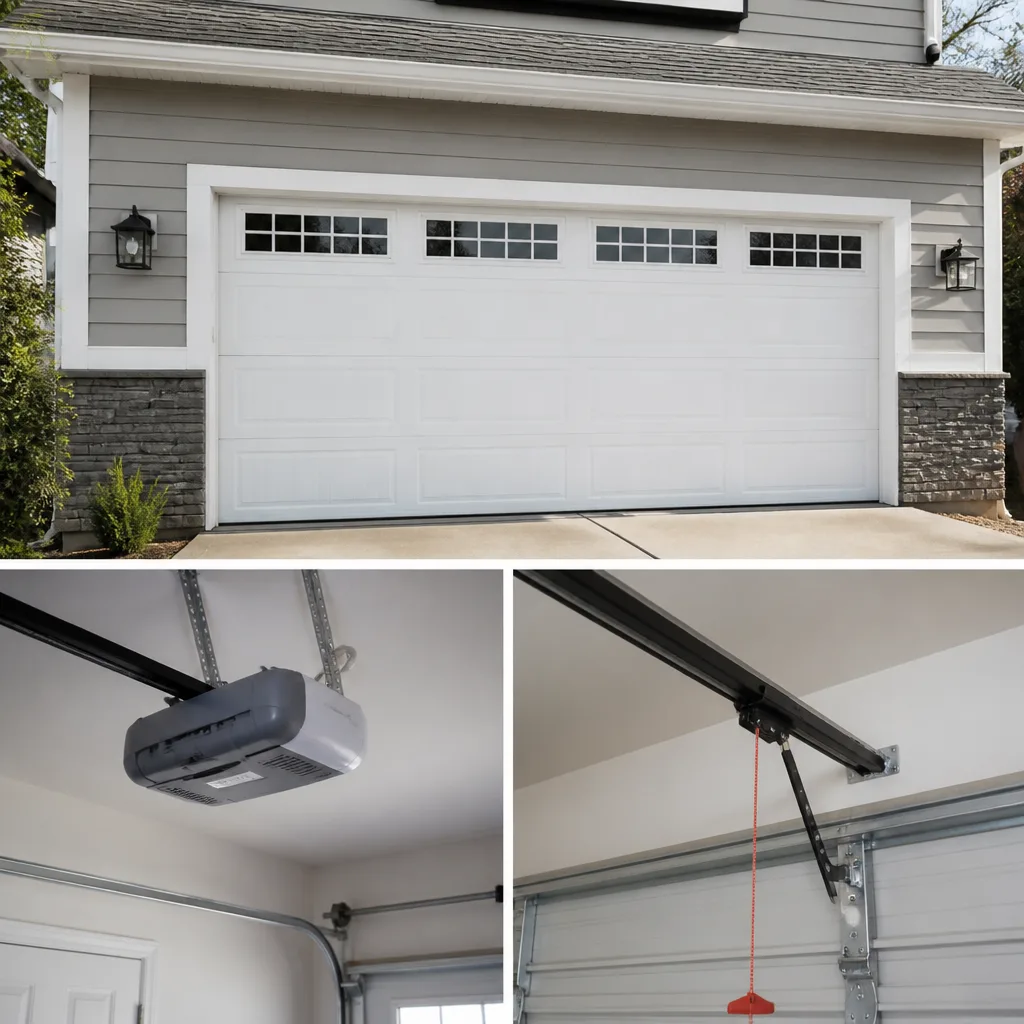 Chamberlain openers
Full 25-point door and opener safety check with every visit - springs, cables, rollers, tracks, and your LiftMaster or Chamberlain opener included
You get a price before we start. It does not change when the pro arrives.
Get your free estimateGarage Door Repair Maintenance Schedule: What to Do and When
Most homeowners who end up with a snapped spring in January did everything “right.” They never backed into the door, they kept the track clear, and the door looked and sounded fine right up until it didn’t. What almost nobody accounts for is cycle life: a torsion spring is a wear part with a finite number of open-and-close cycles built in, and once that number is spent, the spring lets go whether the door looks worn or not. This guide builds a maintenance schedule around how each component actually ages in Enfield’s climate, rather than a generic quarterly checklist. You’ll get the tasks that matter, the ones you can skip, the exact lubricants to use, and the two jobs that always belong to a trained technician.
Styles & brands we work with
- Raised-panel steel
- Carriage house
- Modern flush
- Full-view glass
- LiftMaster openers
- Chamberlain openers
Quick Answer
A working garage door maintenance schedule is built around component wear intervals, not calendar months: springs are checked for cycle-life and balance, cables for fraying, rollers for flat spots, and weatherstripping for a seal. In Enfield, CT, the stress points cluster around seasons – lubrication and seal checks before the first freeze, a post-thaw track and balance check in spring, and an opener check before summer heat. Lubricate twice a year with lithium or silicone grease and inspect monthly. Spring tension and cable work are always jobs for a trained technician.
Table of Contents
- Quick Answer
- Why Cycle Life Matters More Than Calendar Months
- The Monthly 10-Minute Check
- How to Run a Proper Balance Test
- Enfield’s Seasonal Maintenance Calendar
- Lubrication: What to Use and What to Avoid
- The Two Tasks That Always Require a Professional
- Component Lifespans: What Wears Out First
- Common Mistakes to Avoid
- When to Call a Professional
- Frequently Asked Questions
- The Bottom Line
Why Cycle Life Matters More Than Calendar Months
Manufacturers publish maintenance checklists that assume an “average” household. A garage door opener bought new might be rated for a certain number of cycles, but how you actually use the door changes the math. A two-car family that leaves and returns multiple times a day racks up cycles fast. A single driver who parks outside and only opens the door for lawn equipment puts barely any wear on the springs at all. Same door, same spring, very different lifespan.
That’s why a schedule tied to months misfires. Springs don’t wear out in July or December. They wear out when the cycle counter reaches its limit, and the failure can happen on any day of the year. What you can control is catching the wear before it becomes a failure.
In our experience working on doors across Enfield, the most useful mental model is a wear-clock for each component:
- Torsion springs: the fastest wear item, and the one with the least warning. They use up their cycle life whether the door looks new or not.
- Cables: fatigue from repeated spooling and unspooling, plus rust where moisture collects.
- Rollers: flat spots and bearing wear that show up as noise or vibration long before the door actually fails.
- Hinges and bearings: slow wear that a little grease extends significantly.
- Weatherstripping and bottom seal: damage from temperature swings and sun exposure, with no cycle counter at all.
Once you see the door as a set of parts on different clocks, the schedule writes itself. You’re not checking everything every month. You’re checking the right thing at the right interval, and scanning for the early warning signs.
The Monthly 10-Minute Check
Most maintenance on a garage door doesn’t take long. Ten minutes once a month, done standing safely beside the door with it closed and the opener disconnected, catches nearly everything that would surprise you later. It’s a look and a listen, not a repair session.
- Look at the springs. With the door closed, examine the coils above the door. Look for a visible gap in a torsion spring, rust buildup, or a stretched look. Any of these means it’s time for a professional evaluation, not a DIY fix.
- Check the cables. The cables run along each side of the door. Look for fraying, kinks, or rust. A single broken strand means the cable is compromised.
- Test the balance. Pull the red release handle to disconnect the opener, lift the door halfway, and let go. It should stay put. If it slides down or shoots up, something is off. Full steps are below.
- Listen for noise. Open and close the door. Grinding, squealing, or banging usually points to dry hinges, worn rollers, or an opener issue.
- Walk the seal. Run your hand along the bottom seal and the side weatherstripping. Feel for gaps, tears, or sections that no longer press against the frame.
- Check the hardware. Glance at brackets, hinges, and the tracks. Tighten any loose bolts you can reach safely with a wrench from the ground.
- Test the safety reverse. Put a piece of wood on the floor under the door and close it. The door should reverse immediately on contact. This test protects people and pets.
The safety reverse test is worth doing every month without fail. It’s the single most important function on any automated door, and the sensors are easily knocked out of alignment by a bike, a trash can, or a bump. If the door doesn’t reverse on contact, stop using the opener until it’s corrected.
How to Run a Proper Balance Test
The balance test tells you what the door’s springs are doing behind the scenes. Do it with the opener disconnected and the door resting in the closed position.
- Pull the red release handle to disconnect the opener from the door. You’ll hear it click out of the carriage.
- Lift the door with both hands until it’s about halfway up. It should feel reasonably light, and move smoothly without a hard spot.
- Let go. A balanced door stays in place where you released it. It shouldn’t drift down on its own or ride up.
- If it drops slowly, the springs have lost tension. If it rises, there’s too much tension.
- Reconnect the opener by moving the door manually until the carriage clicks back in. Don’t force it.
What the test tells you is the state of your spring system, before it becomes an emergency. A door that started dropping on its own means the springs are wearing out. That’s the moment to get it looked at, because a spring that’s already losing tension is closer to failing than one that isn’t. A door that suddenly won’t stay up at all is a sign the spring may already be broken, and that door should stay down until a technician assesses it. Never run an opener on a door with a broken spring – it will strain the opener motor and the door.
Running this test once a month gives you a slow, readable signal. The door gradually getting harder to lift, or slowly sliding down more than before, is the door telling you the spring’s cycle clock is nearly up.
Enfield’s Seasonal Maintenance Calendar
Enfield’s four distinct seasons each put different stress on a garage door, and the maintenance that matters most shifts with them. Here’s how to space the big tasks through a Connecticut year.
Late Fall (Before the First Freeze)
This is the most important window. Cold weather hardens rubber and makes seals brittle. Before the first hard freeze:
- Inspect and replace the bottom seal and side weatherstripping if there are gaps or cracks.
- Lubricate hinges, rollers, and the opener’s chain, so cold weather doesn’t dry out already-thin grease.
- Check the balance test one more time – a door that’s drifted out of balance over summer is worse in cold weather.
- Test the safety reverse, and clean the photo-eye sensors so they’re not blocked by condensation or salt spray from the car.
Winter (Monthly Cold-Weather Checks)
Connecticut winters bring temperature swings that expand and contract metal. A door that ran smoothly in November can drag in January. Each month through the cold, do the ten-minute check and listen for a change in how the door sounds. Snow and ice can pack into the bottom seal and freeze; clear it without prying at the door. Don’t force a door that’s frozen to the ground.
Early Spring (After the Frost Lifts)
Freeze-thaw cycles and ground movement can shift a track. This is when an out-of-plumb track and a slightly bent panel show up. In early spring:
- Inspect the tracks from top to bottom for bends, dents, or a gap between the track and the door’s rollers.
- Look for frost heave or settling in the concrete where the door lands.
- Re-run the balance test – a door that was balanced in fall and now drops has been affected by the winter.
- Re-lubricate, since winter has dried out the grease you applied in fall.
Summer (Heat and Opener Sensitivity)
Hot weather changes how an opener motor behaves. On a scorching day, a Genie or LiftMaster opener that’s underperforming can hesitate or overheat. In summer, keep the opener’s vents clear, check for any squealing or hum that wasn’t there in spring, and don’t ignore a door that reverses or stops short on the hottest days. That’s often heat, but it’s also a signal the opener’s gear or board is wearing. Our garage door opener repair team sees this pattern – a door that only misbehaves in heat is telling you something about the unit.
Lubrication: What to Use and What to Avoid
Lubrication is the single easiest part of the schedule to get wrong. Many homeowners reach for WD-40 because it’s what’s in the garage, then wonder why the door still squeaks or why the rollers feel rougher after a few weeks. The issue is that WD-40 is a solvent-based product, not a long-term lubricant. It thins the factory grease and evaporates, and repeated use gradually dries out the rollers and hinges it was supposed to help.
Use These
- White lithium grease: the standard for hinges, rollers, springs (a light coat only), and the opener’s chain and track.
- Silicone-based lubricant: good for weatherstripping, bottom seals, and metal surfaces where you don’t want a sticky residue.
- Lithium or moly grease for the drive screw: on the opener’s rail if it uses a screw drive.
Avoid These
- WD-40 as a lubricant: fine for loosening a bolt, wrong for ongoing lubrication. It dries out rollers and hinges.
- Cooking spray, motor oil, or household oils: attract dust, dry out, or gum up the track over time.
- Grease on the door’s rubber seal: degrades the rubber. Use silicone spray only.
- Lubricant on the photo-eye lenses or the opener’s internal gears.
Apply lubrication with the door closed and the opener disconnected. Wipe off excess – a little grease on the track attracts grit, which accelerates roller wear. Twice a year, at late fall and early spring, covers the seasonal stress here in Enfield.
The Two Tasks That Always Require a Professional
Most of a garage door’s maintenance is safe for a careful homeowner. Two jobs aren’t, no matter how handy you are. Both involve stored energy, and both can cause serious injury in an instant.
1. Spring Tension Adjustment
A torsion spring is under extreme tension even when the door is down. The winding bars that hold that tension in place can slip and release the stored energy in a fraction of a second. This is why spring work is a trained-hands-only job, and it’s why we have garage door spring repair as a standalone service. Adjusting tension, replacing a broken spring, or even loosening the winding on a door you’re replacing is a job for a technician who knows the correct wind count for the door’s weight and the right tools for the tension. We don’t recommend attempting this yourself, and it’s the reason we tell homeowners that a snapped spring isn’t a DIY repair.
2. Cable Drum Winding
The cables wrap around drums at the top of the door and are tensioned against the springs. A cable that’s off its drum or that has jumped a groove is under load and can snap back. The cable itself is a wear item, and the drum requires the right winding and tension to keep the door level. Re-spooling a cable by hand is one of the most common causes of injury in a garage door DIY repair. If a cable has snapped, frays, or jumped the drum, call a technician.
Everything else – lubrication, seal replacement, balance checks, sensor cleaning, tightening the hardware – is within a careful homeowner’s reach. The line is tension. If a task puts you in contact with a loaded spring or a tensioned cable, step back.
Component Lifespans: What Wears Out First
One of the reasons a calendar-based schedule fails is that the parts don’t all wear out at the same rate. Here’s the rough order in which things need attention on a typical door.
- Springs: the first to fail, because they have a defined cycle life that’s used up with every open and close. A high-use household burns through them faster than a low-use one. Replace a pair together, since a matched set wears at the same rate and one new spring next to a nearly-spent one will feel the load.
- Cables: the second most common wear item. They fatigue and rust, especially on doors that face the weather. Inspect them monthly for fraying and rust.
- Rollers: plastic rollers flatten and crack, steel rollers wear their bearings. A single flattened roller makes noise and drags. They typically need replacement after a few years of steady use.
- Weatherstripping and seals: they age with every freeze-thaw and summer of sun. Renew them before they stop sealing.
- Hinges: last the longest of the moving parts, but dry hinges are a common source of noise.
- Opener: the electronics and motor wear slowly. The drive gear and the logic board are the usual points of failure, and often years into service. That’s when garage door opener repair on a unit from one of the major brands is worth looking at before replacement. A Clopay or Wayne Dalton door with a solid opener can often be repaired rather than swapped.
What this means in practice: check the springs most often, inspect the cables monthly, listen for rollers, and replace seals on the seasonal calendar. That gives you a schedule that matches the actual wear clock instead of an arbitrary rotation.
Common Mistakes to Avoid
Some of the most common garage door mistakes are the ones people make while trying to maintain the door, not after it breaks. Here are the ones we see most often in Enfield:
- Using WD-40 as the go-to lubricant. It dries out rollers and hinges and thins the grease that should be there. Use white lithium or silicone grease instead.
- Skipping the balance test because the door “sounds fine.” Springs fail without noise. The balance test is the only reliable read on spring health, and a door that suddenly drops is reporting a problem the ear can’t hear.
- Greasing the track. It attracts grit and dust and accelerates roller wear. Lubricate the rollers and hinges, not the track.
- Trying to adjust a torsion spring. The tension can release the stored energy in a way that causes serious injury. This is the job that clears the line between homeowner maintenance and a professional.
- Forcing a frozen door in winter. If the seal is frozen to the ground, forcing the opener strains the motor and the door. Break the seal free gently, and consider silicone spray on the seal before the freeze.
- Ignoring a bent track from a spring freeze-thaw bump. In Enfield’s winter, ground movement and ice can nudge a track out of line. A bend treated as “just cosmetic” wears the rollers and can derail the door.
- Assuming a misbehaving opener means a new opener. Heat, a worn drive gear, or a misaligned sensor can look like a dead unit. Get it diagnosed by brand before you buy a replacement.
When to Call a Professional
Most of this schedule is doable from the ground with a wrench and a tube of lithium grease. When any of these come up, it’s time to call a technician:
- A visible gap or break in a torsion spring, or a door that won’t stay up when you lift it.
- A cable that’s frayed, snapped, or jumped its drum.
- A door that’s out of balance after the balance test and doesn’t respond to anything you’re doing safely.
- A bent or misaligned track that won’t straighten with a gentle adjustment.
- An opener that only misbehaves, reverses on its own, or grinds – especially in Enfield’s summer heat.
- Anything that puts you in contact with stored spring tension.
If a spring has snapped or the door is stuck open, that’s a case where it can’t wait until Monday. Our garage door repair team handles emergency calls alongside routine repair, works on the brand you already have, and diagnoses by brand rather than by guesswork. Everything from repair and opener service to spring replacement and full installs is handled by one company, with no subcontractors in between. When you call, you’re talking to a technician, not a call center. We service equipment from LiftMaster, Chamberlain, Genie, Clopay, Amarr, Wayne Dalton, Craftsman, and Raynor. Enfield Garage Door Repair offers free estimates in Enfield – call (833) 468-5947 to start with a written price.
Frequently Asked Questions
A garage door should be lubricated and balance-tested twice a year, inspected monthly with a short visual check, and professionally serviced whenever a spring, cable, or opener shows wear. The twice-a-year lubrication is the core of the schedule. If your door is a high-use one – families coming and going several times a day – the balance test matters more often, because the springs are burning through their cycle life faster. Call (833) 468-5947 for a free estimate on any repair that comes out of a routine check.
A broken torsion spring shows a visible gap in the coil above the door, and the door will be very heavy or won’t stay up. The tell is the balance test: if you disconnect the opener and the door drops instead of staying at halfway, the spring is either broken or has lost most of its tension. A broken spring is not a DIY fix, and a door with a broken spring should stay closed until a technician assesses it. Call (833) 468-5947 – free estimates are part of the process.
No – WD-40 is the wrong product for routine garage door lubrication. It’s a solvent, not a lasting lubricant, and repeated use dries out the rollers and hinges and thins the factory grease. Use white lithium grease on the hinges, rollers, springs (a light coat), and opener chain, and silicone lubricant on the weatherstripping. Keep WD-40 for loosening a bolt.
Heat and cold change how the door and opener behave. In Enfield’s summer, an opener can hesitate or overheat on the hottest days, and in winter the cold hardens seals and can freeze the door to the ground. A door that only misbehaves in one season is often telling you its opener or its seal is on the way out. Either way, it’s worth having a technician take a look rather than waiting for it to fail. Call (833) 468-5947 for a free estimate.
Permit requirements vary by project and by municipality, so the right move is to ask Enfield’s building department directly before scheduling a full replacement or any structural change. Routine repair and maintenance generally fall outside permit territory, but a full door replacement can trigger requirements. When in doubt, a quick call to the city clears it up. Our team can talk through what to ask when you call us at (833) 468-5947 for an estimate.
We service the eight leading garage door and opener brands – LiftMaster, Chamberlain, Genie, Clopay, Amarr, Wayne Dalton, Craftsman, and Raynor – so you’re not told your existing equipment is incompatible. Maintenance, repair, opener service, spring repair, and full installs are all handled by one company with no subcontractors or franchise layers. If you’re in Enfield and your door is due for a check, call (833) 468-5947 for a free estimate.
The Bottom Line
A maintenance schedule that works is built on wear, not months. Springs have a cycle life that finishes whether the door looks healthy or not, cables fatigue, rollers flatten, and seals age on the climate’s clock. The realistic schedule is a ten-minute monthly check, a twice-a-year lubrication and balance test, and a seasonal pass that fits Enfield’s climate – seals and grease before the freeze, tracks and balance after it, and an eye on the opener through summer heat. Use the right lubricant, skip the WD-40, and leave spring tension and cable drums to a trained technician. That combination catches the small problems while they’re still small. If something on your door has already moved past checking into repair, Enfield Garage Door Repair is here to help. Our technicians have up to 15 years of experience, and we handle springs, openers, panels, and full installs on the brand you already have, with no runaround and no upsell pressure. Call (833) 468-5947 for a free estimate with a written price agreed before any work starts.
Written by the team at Enfield Garage Door Repair.
See the difference
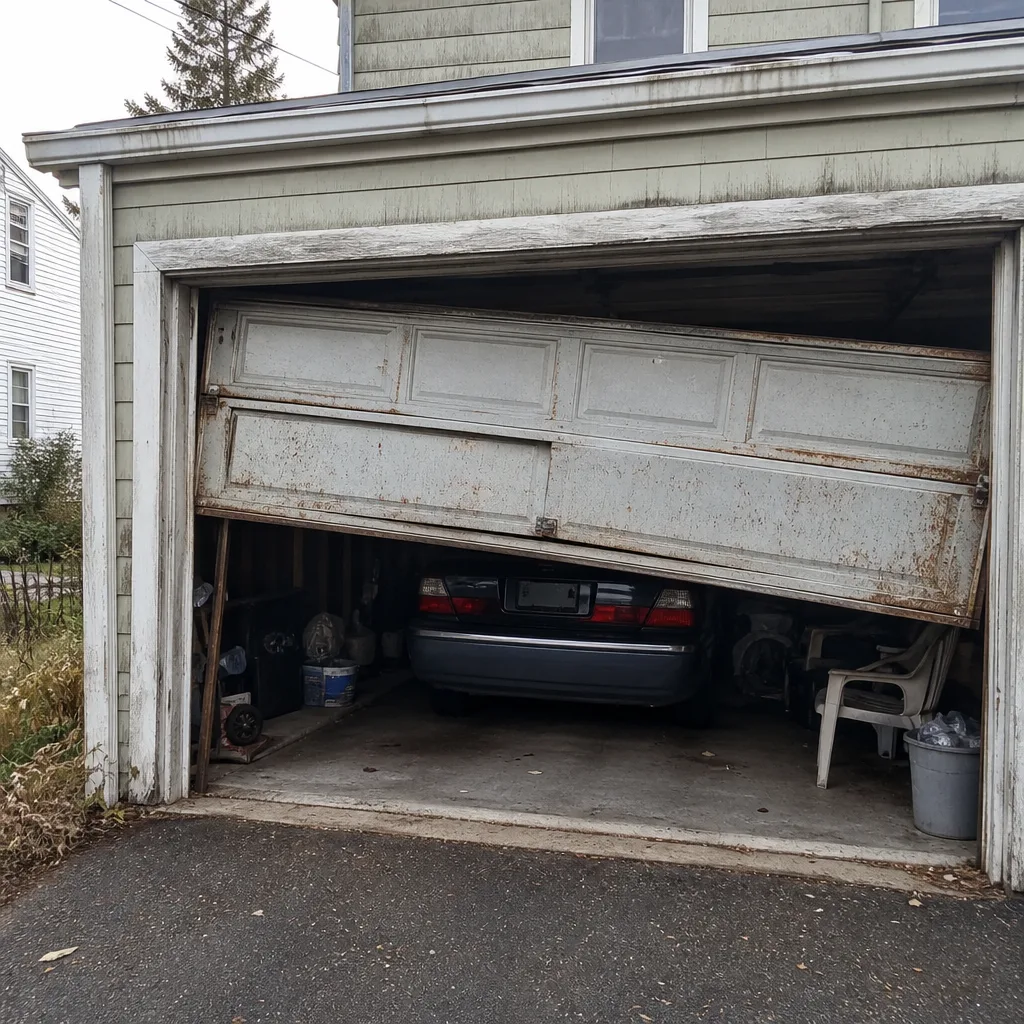 Before
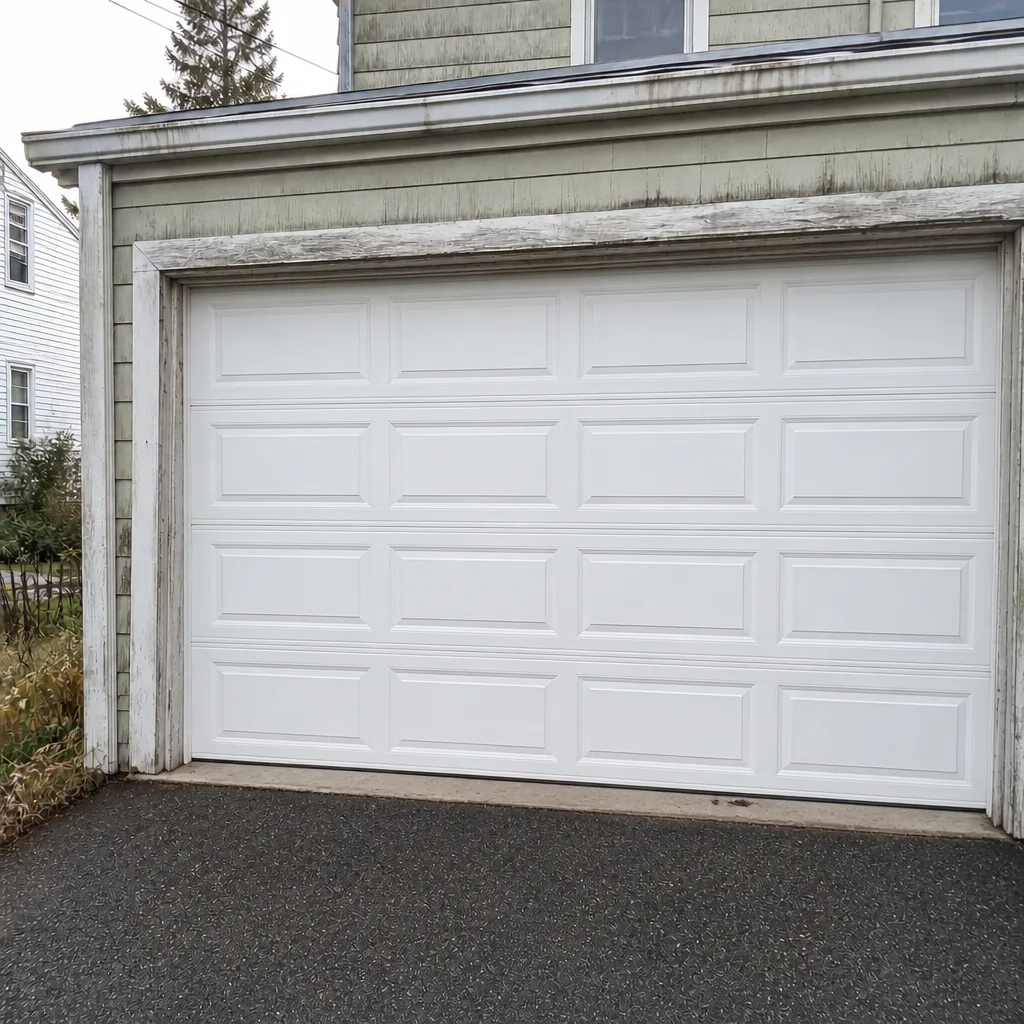 After
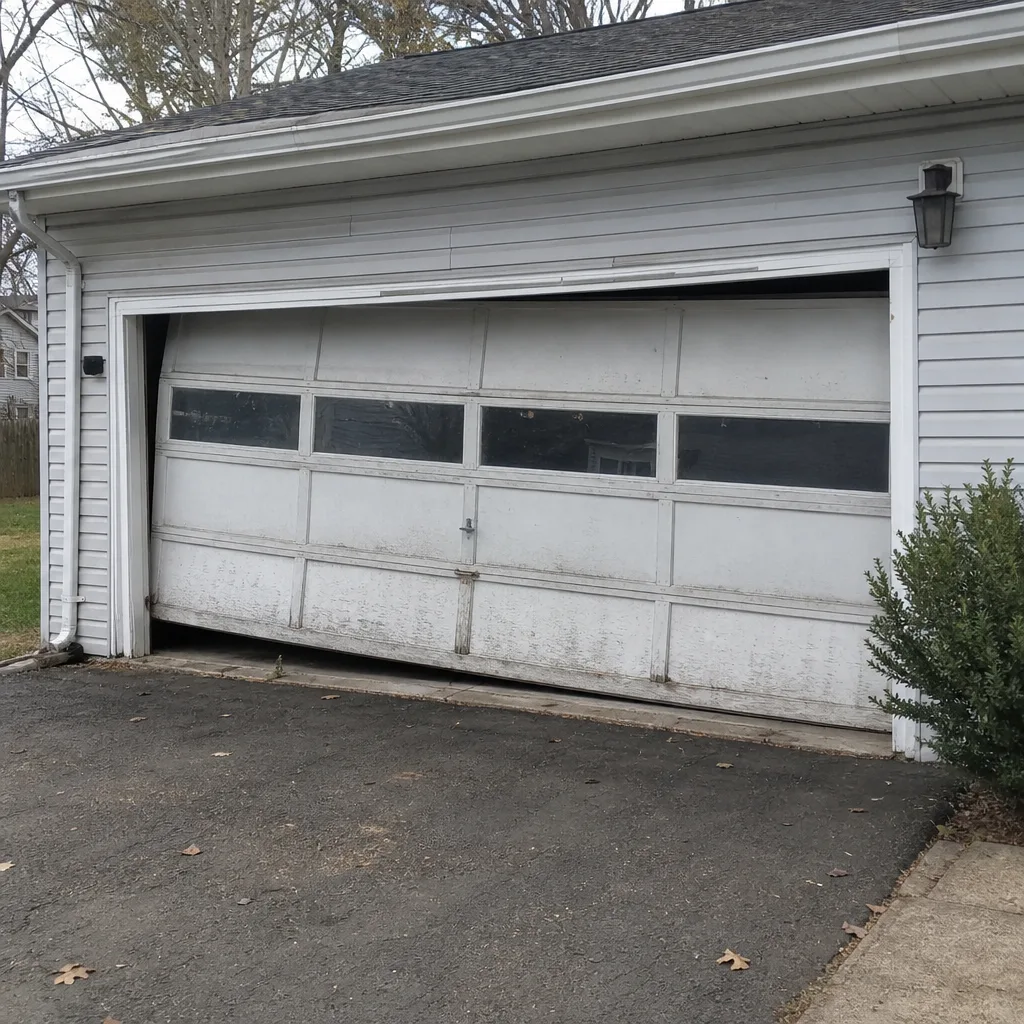 Before
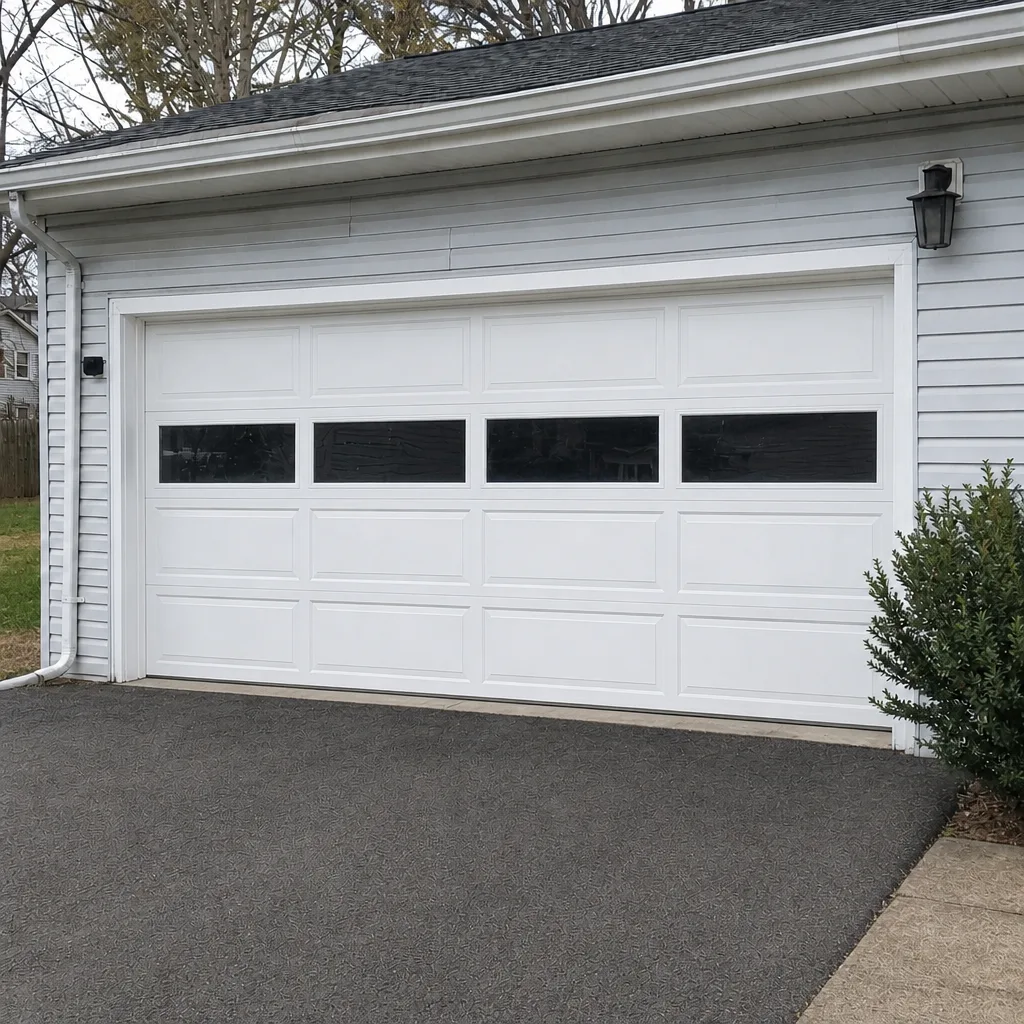 After
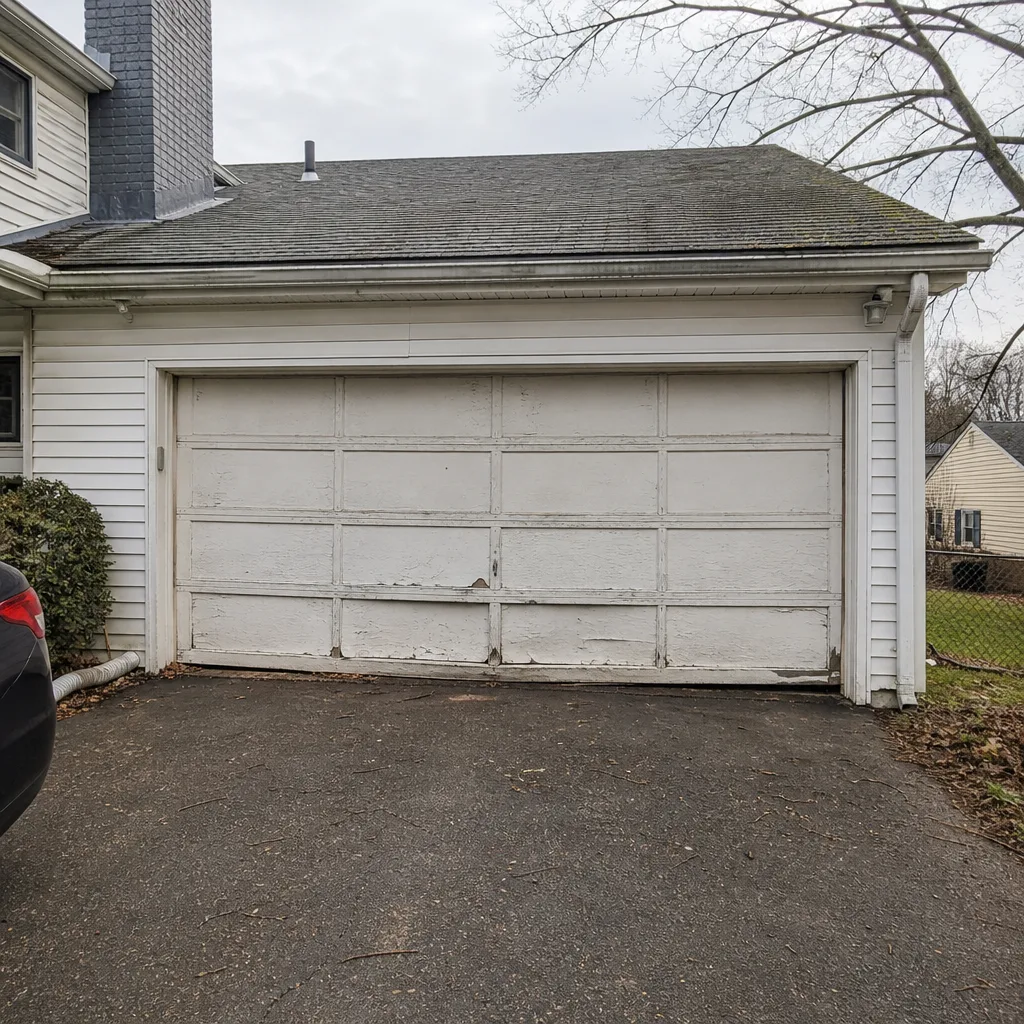 Before
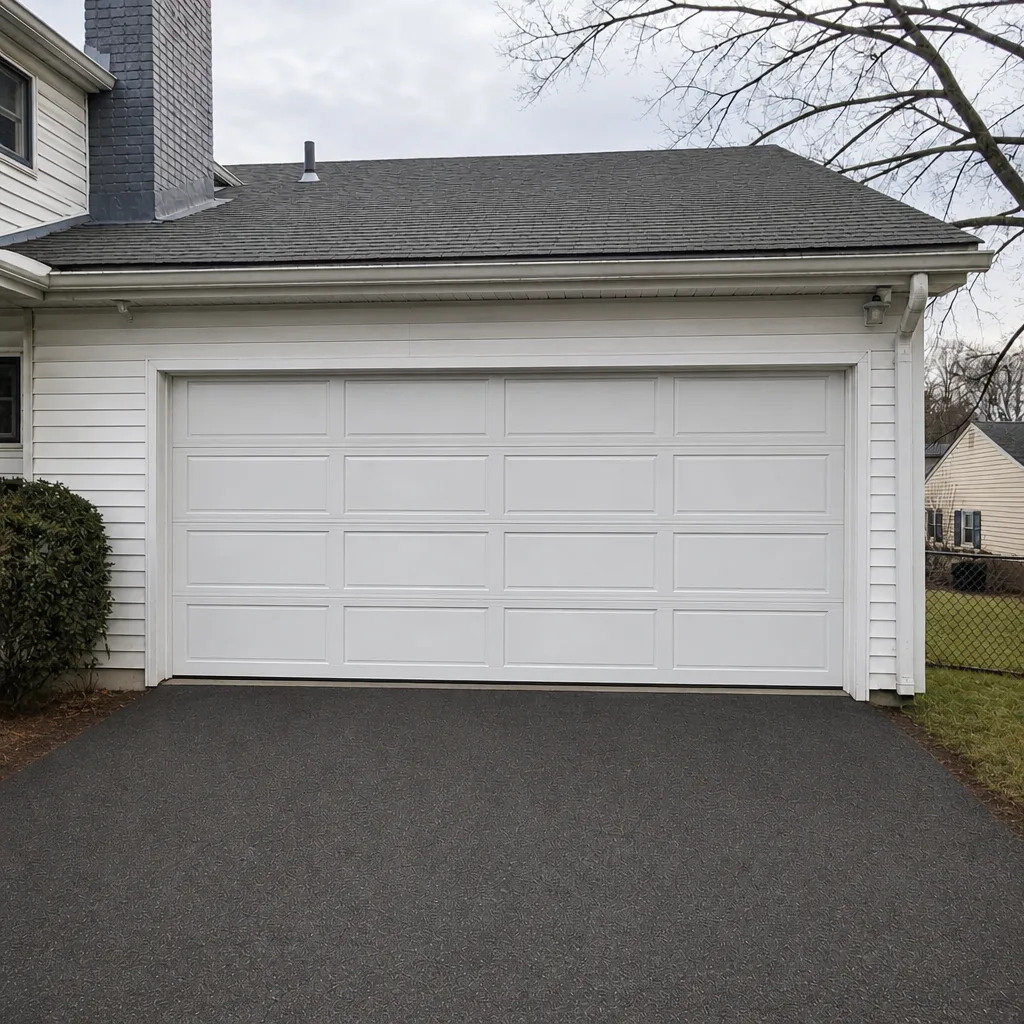 After