Last updated November 23, 2026
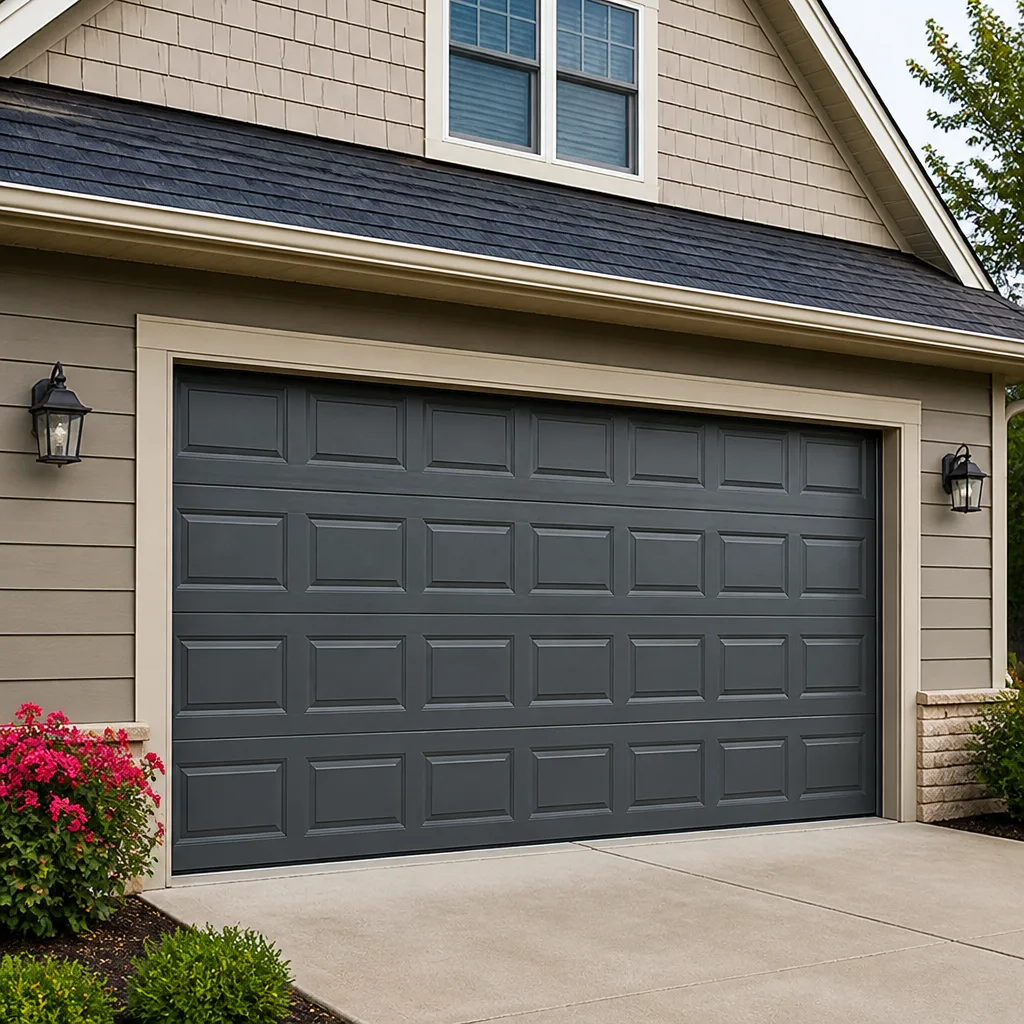 Raised-panel steel
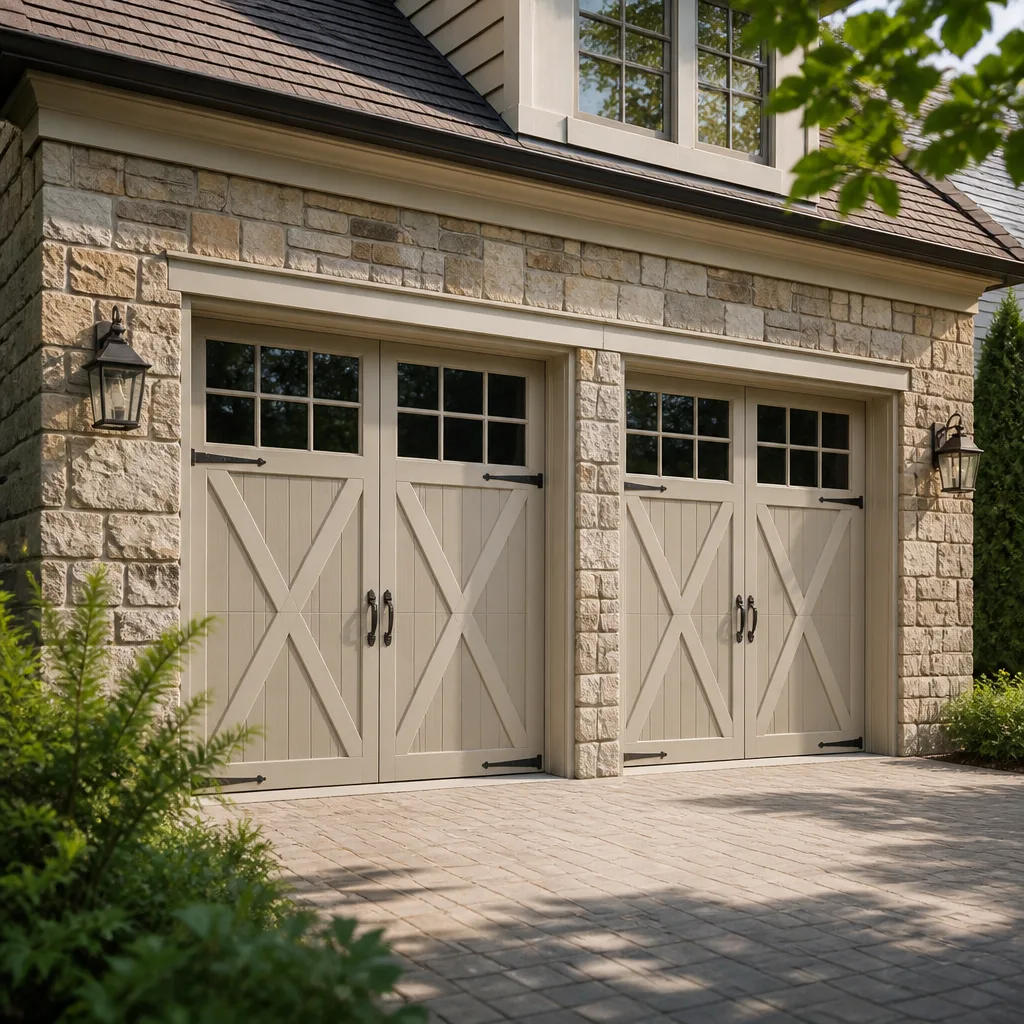 Carriage house
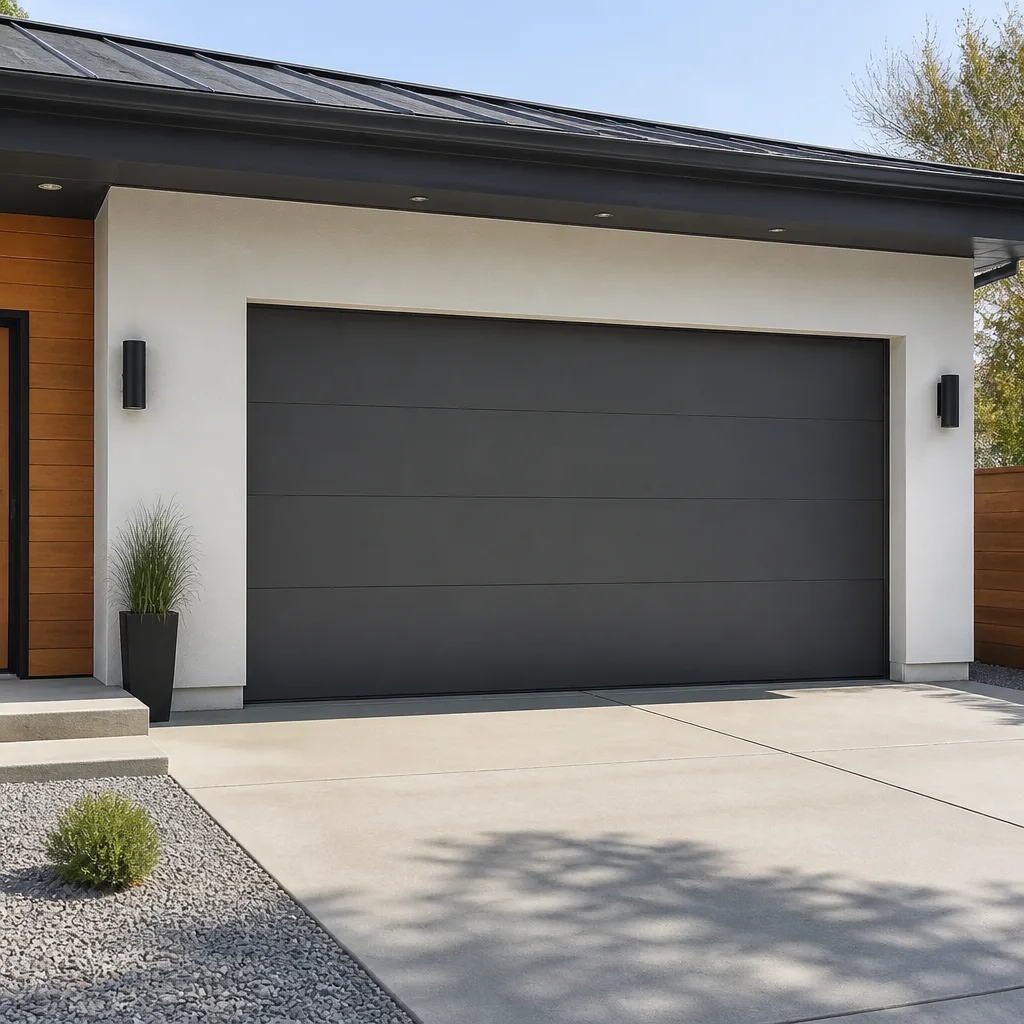 Modern flush
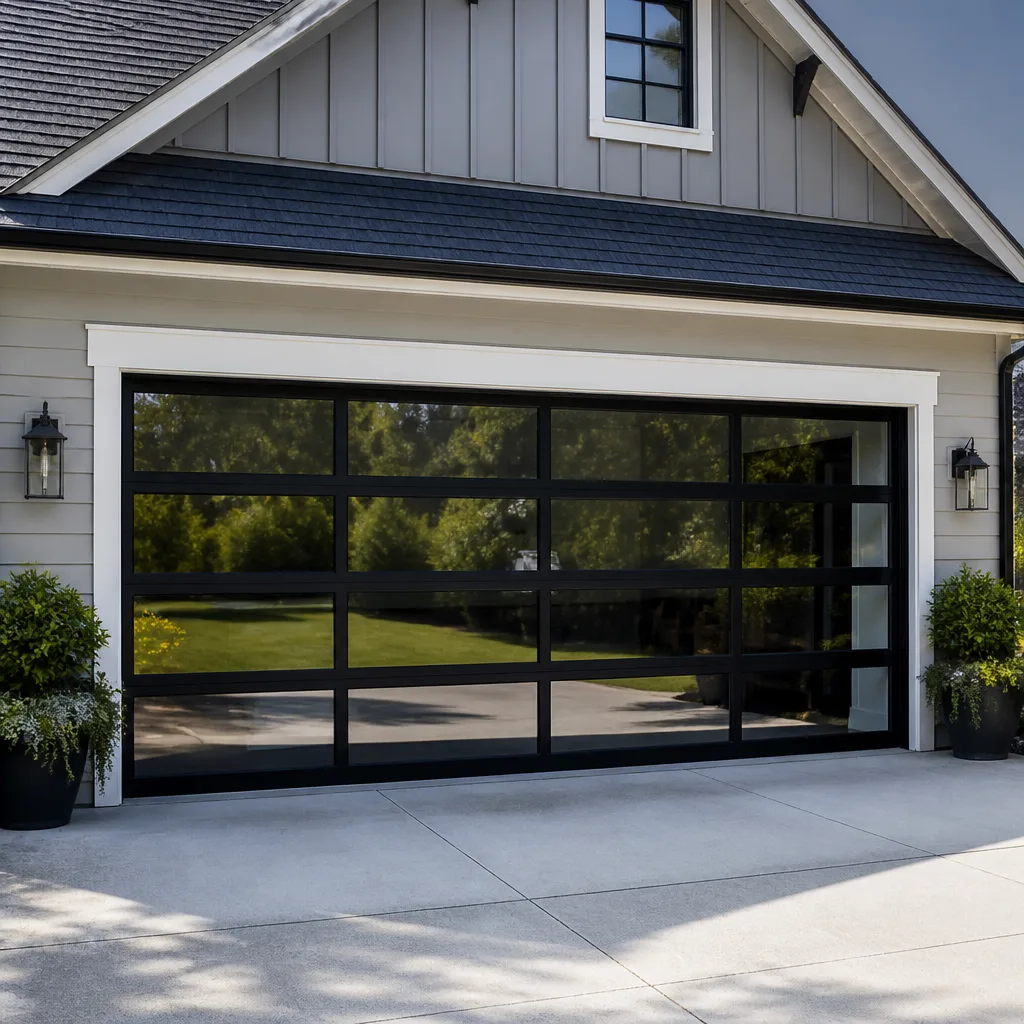 Full-view glass
 LiftMaster openers
 Chamberlain openers
Full 25-point door and opener safety check with every visit - springs, cables, rollers, tracks, and your LiftMaster or Chamberlain opener included
You get a price before we start. It does not change when the pro arrives.
Get your free estimateGarage Door Repair Troubleshooting in Enfield: Common Problems and How to Fix Them
A noisy garage door and a slow garage door can both come from a worn spring, but the repair is completely different depending on which type of spring your door uses. That’s the part most troubleshooting guides skip. They organize problems by symptom – squeak, jerk, stall, won’t close – and send you chasing a fix that never touches the part actually failing. In this guide, we sort the most common garage door complaints in Enfield by root cause instead: springs, cables, tracks, opener, and sensors. You’ll learn which system produces which symptoms, what’s safe to adjust yourself, and the exact point where a screwdriver stops being the right tool and a phone call starts. Our technicians have up to 15 years of experience, and this is the breakdown we’d give a neighbor.
Quick Answer
Most garage door problems trace back to one of five mechanical systems: springs, cables, tracks, the opener, and the safety sensors. A single failed component in any of those systems creates several different symptoms at once, which is why symptom-first troubleshooting often misses the real cause. Homeowners can safely handle limit-screw adjustments, sensor alignment, and lubrication; spring replacement, cable reattachment, and panel or track work under tension belong to a trained technician. For Enfield Garage Door Repair, that line matters – it’s the difference between a five-minute fix and a serious injury.
Styles & brands we work with
- Raised-panel steel
- Carriage house
- Modern flush
- Full-view glass
- LiftMaster openers
- Chamberlain openers
Table of Contents
- Why Symptoms Mislead You in the First Place
- Spring Problems: Torsion vs. Extension Failures
- Cable Problems: The System That Fails Quietly
- Track Misalignment and the Connecticut Temperature Swing
- Opener Problems: When the Motor Is Fine and the Logic Board Isn’t
- Safety Sensors and the “Door Won’t Close” Complaint
- Quick-Reference Decision Matrix: Symptom to System to Next Move
- What You Can Do Yourself Every Season
Why Symptoms Mislead You in the First Place
Here’s the problem with symptom-first troubleshooting: your garage door is a balanced system, and when one part drifts, the whole door compensates. A worn torsion spring makes the opener work harder, which makes the motor strain, which makes the door hesitate and reverse. The symptom you notice – a door that reverses – points at the opener. The cause is the spring. You can spend an afternoon on the opener and still have the same problem Monday morning.
We see this constantly in Enfield, where a lot of homes were built with a door and opener combination installed decades apart, sometimes mixed brands across the system. A Clopay door hung years after a Craftsman opener went up will behave differently than a matched set, and the symptom pattern shifts with it. If you find yourself guessing at fixes, the answer usually starts with identifying which system is underperforming rather than which part is making noise.
On this page, we go system by system. For each one, you’ll get the failure signs (the specifics that tell you what’s actually failing), the symptoms that go with them (the specific tells for a torsion vs. extension failure), and a clear line between safe homeowner adjustments and technician work. That framing is also how a technician thinks through a garage door repair, and it’s worth borrowing.
Spring Problems: Torsion vs. Extension Failures
Springs are the system most homeowners ask about and the one most guides lump together – which is a mistake, because torsion and extension springs fail in completely different ways and the fixes don’t overlap. Your door has one or the other, and knowing which one you’re looking at tells you right away what kind of failure is possible.
How to tell which type you have
- Torsion springs mount horizontally on a shaft above the door, parallel to it. You’ll see a wound coil, usually one on each side or a pair over the center.
- Extension springs run parallel to the door’s horizontal tracks, stretching toward the back of the garage. They’re long and thin and stretch along the side rails.
Extension spring failure signs
Extension springs typically fail at the looped ends, and when one goes, it can snap back violently. On an older door, that energy can fling the spring toward the back of the garage. If a door with extension springs suddenly feels heavy at the top of travel and light at the bottom, check the sides for a stretched-out or broken spring before you raise the door again.
Torsion spring failure signs
A broken torsion spring fails more quietly. You’ll usually hear a single loud bang from the garage, and afterward the door becomes too heavy to lift by hand. If your door went from normal to impossible to open by hand in a single day, a broken torsion spring is the most likely explanation. We handle both types and the opening-limit differences through garage door spring repair, and we always identify the type and confirm which component failed before quoting.
Safety caveat: springs store enormous energy, and the exact procedure for releasing tension differs between torsion and extension. Never attempt to unwind, cut, or adjust a spring yourself. This is one of the most common seriously botched repairs and the reason spring work should always go to a trained technician.
Cable Problems: The System That Fails Quietly
Cables are the system people forget about until something goes wrong. They run from the springs or brackets down the sides of the door to the bottom corner, and they hold the door’s weight in tension. When a cable frays or leaves its drum, the door can bind, tilt, or drop one side.
What cable failure looks like
- One side of the door sits visibly lower than the other when closed
- The cable is loose, slack off the drum, or visibly nesting off the side
- You can hear cable popping or clanking as the door travels
- The door feels crooked when you raise it by hand
Why this one is a same-call problem
If a cable is dangling loose, the door could drop. Cable issues often appear alongside spring failures – a broken torsion spring can release the tension on a cable and knock it off the drum – which is why we won’t quote a spring job without a full look at the cable and drum condition. Because a loose cable can let a door drop with no warning, a cable problem is a same-day call; we treat it as emergency work and will book you as soon as we can.
Enfield houses with older hardware often still run the original cable-and-drum setup, sometimes on a door that was re-hung years after the original installation. There’s no need to take it all apart. If the cable looks slack or off the drum, stop cycling the door and call.
Track Misalignment and the Connecticut Temperature Swing
This is a genuinely local problem, and most troubleshooting guides never mention it. Enfield gets real temperature swings from winter to summer – cold snaps and warm spells that push and pull the wood framing and metal hardware in a way that a Florida or Arizona guide won’t account for. Track alignment drifts with that expansion and contraction, and it’s often the real cause of a door that “sticks” in one season and runs clean in the next.
Why tracks move
- Winter: cold can pull track fasteners loose, and ice in the track can set up a snag point that bends the rail slightly
- Summer: heat expands framing and rollers creep, and a track that ran smooth all winter can start binding
- Year round: the vertical tracks on a door that’s used daily rarely shift on their own; the symptoms point to a loose bracket or a bent rail rather than the door or opener
What to check (and what not to force)
Look at the gap between the track and the rollers. If a roller is visibly resting on the track edge instead of sitting in it, the track is out of alignment or bent. You can tighten a loose bracket or bolt with a hand tool, and you can clear ice and debris from the rail. But don’t force a bent track straight with a hammer. The steel wants to return to its shape, and the more you push, the more the roller geometry suffers. If the rail is bent, a technician replaces it.
Our working view is that tracks should be checked after the first hard freeze and again in spring, which is why so many Enfield homes call at the start of both seasons. garage door repair for track and alignment work happens on a set schedule, not a rushed emergency window.
Opener Problems: When the Motor Is Fine and the Logic Board Isn’t
Homeowners often treat “opener problem” as one thing. It isn’t. An opener can fail mechanically (the motor or gears), electronically (the logic board or travel limits), or at the accessories (the remote, keypad, or wall switch). Each one points to a different job, and which brand you have tells a technician a lot about which is likely.
Mechanical vs. electronic vs. accessory
- Mechanical: the motor hums but the door doesn’t move, or the gears are stripped. On older Craftsman and LiftMaster units, gear wear is common after years of service.
- Electronic: the lights work but the door won’t move, or the travel limits drift so a door fails to close fully or travels too far. A Wayne Dalton opener with a hard-used limit switch is a different job from a stripped gear.
- Accessory: the wall switch works but the remote doesn’t, or the keypad has stopped responding. That’s usually a remote, battery, or pairing problem, not the motor.
Where brand matters
We work on the brand you already have: LiftMaster, Chamberlain, Genie, Craftsman, and the rest of the eight major brands we service. A technician who knows a Chamberlain logic board behaves differently from a Genie board diagnoses by the unit’s own behavior, not by generic trial and error. Because we handle both mechanical and electronic diagnosis under one roof with garage door opener repair, we can tell you which is actually failing before you replace the whole opener.
A note on the risky step: opener electrical work – especially the mains wiring and the capacitor inside the unit – is genuinely dangerous. Never open the opener housing or touch wiring inside it. Leave the motor and board to a technician.
Safety Sensors and the “Door Won’t Close” Complaint
If your door goes up but won’t come down, don’t start with the opener. The safety sensors at the bottom corners of the door are the most common cause of the “won’t close” complaint, and they’re one of the few things you can troubleshoot yourself.
Diagnose it in three steps
- Look for the lights. Each sensor has a small indicator LED. If one is dark or both are blinking, the beam isn’t aligned.
- Check the path. A broom handle across the beam, a box that slid into the path, or cobwebs on the lens can hold the door open.
- Confirm alignment. The two sensors should face each other squarely. A sensor knocked slightly off-axis, or a sunbeam hitting it directly at a certain time of day, can trigger the same reversal.
What you can do safely
You can wipe the lenses, move anything out of the path, and re-aim a sensor that’s been bumped. A firm but gentle nudge on the bracket is usually all it takes. If you can’t get the lights to steady after a few passes and the path is clean, the sensor or its wiring is the next place a technician looks.
This is also where temperature can sneak in. A sensor near a sunny garage window can start causing trouble when the sun hits at a low winter angle and stop when the glare shifts. If the door fails to close at the same time of day, suspect a sensor hit by light before you assume the opener is failing.
Quick-Reference Decision Matrix: Symptom to System to Next Move
Use this matrix as a fast read. Find the symptom, note the most likely system, then follow the right-hand column. This is not a replacement for diagnosis – it’s a shortcut to the right decision.
- Loud bang from the garage, door now too heavy to lift: Spring, torsion failure. Call a technician. Do not raise the door.
- Door sits low on one side, cable looks slack: Cables or spring. Call same day. Do not cycle the door again.
- Door reverses before or at the floor: Sensor. Check the path and lenses yourself first, then call.
- Door sticks in one season, runs clean in the next: Track misalignment. Check for ice and debris, then call for track service.
- Motor hums, door doesn’t move, or motor spins but door stays put: Opener gears or logic board. Call for diagnosis.
- Remote doesn’t work but the wall switch does: Accessory. Check the battery and re-pair the remote yourself; call if it persists.
- Door opens fine but won’t close and sensors look steady: Opener limits or wiring. Call a technician.
- Grinding or popping from the door side, door runs crooked: Roller or track issue. Call on a scheduled basis; don’t force it.
What You Can Do Yourself Every Season
A few maintenance steps catch most of the problems above before they become an emergency. None of them require special tools, and none of them put a spring or cable in your hands.
- Lubricate the moving parts. A light coat of a garage-door-appropriate lubricant on the rollers, hinge pivots, and springs reduces friction and makes a noisy door quiet.
- Check the balance. Disconnect the opener (pull the release handle) and lift the door by hand. It should rise with modest effort and stay put about halfway up. If it drops or fights you, the springs or cables are the likely culprit. Don’t attempt a spring repair yourself; call instead.
- Look at the tracks. Run a flat hand along each vertical rail and feel for dents, loose bolts, or a roller riding on the edge. Tighten what’s loose with a hand tool; leave bent rails to a technician.
- Clean and aim the sensors. Wipe the lenses, confirm the LEDs are steady, and make sure no clutter sits in the beam.
- Test the safety reverse. Place a small object on the floor and close the door. The door should reverse on contact. If it doesn’t, stop using the door and call.
Two seasonal checkpoints work well in Enfield: once after the first hard freeze, and again in spring. If you notice a small problem between them, a little lubrication and a sensor check will buy time. If it’s a spring that’s broken, a cable that’s snapped, or an opener that won’t run at all, don’t wait for a seasonal maintenance window. Treat it as a downtime call. We’re open Sunday through Friday from 7am to 7pm and closed Saturday, and we handle emergency calls between those times.
Common Mistakes to Avoid
- Trying to replace a spring yourself. Spring tension can cause serious injury, and the procedure for torsion vs. extension springs is not interchangeable. This is the number one mistake we see, and it’s why spring repair is a technician job every time.
- Forcing a bent track straight. A hammer or pry bar can bend the rail out of geometry for good. Leave bent tracks to a technician and deal only with loose bolts.
- Replacing an opener when a sensor is the problem. If the door reverses only at one point, the sensor is the first thing to rule out – not the motor. A full opener replacement won’t cure a misaimed sensor.
- Ignoring a door that sags on one side. A sloping door is usually a cable or spring, and it can drop suddenly. Treat it as a same-day call, not a weekend project.
- Using the garage door as a stepladder or a workbench. The door and its hardware aren’t rated for loads, and overloading the panels can distort them and stress the rollers.
- Lubricating the wrong parts. Some parts need grease, some need a dry film, and putting the wrong product on a roller or a sensor lens can make things worse. Stick to the moving parts and keep lubricant off the sensor eyes.
- Letting a small track issue turn into an opener problem. A loose track that binds the door makes the opener strain for months, and eventually the gears fail. Fixing the track early usually prevents the bigger bill.
See the difference
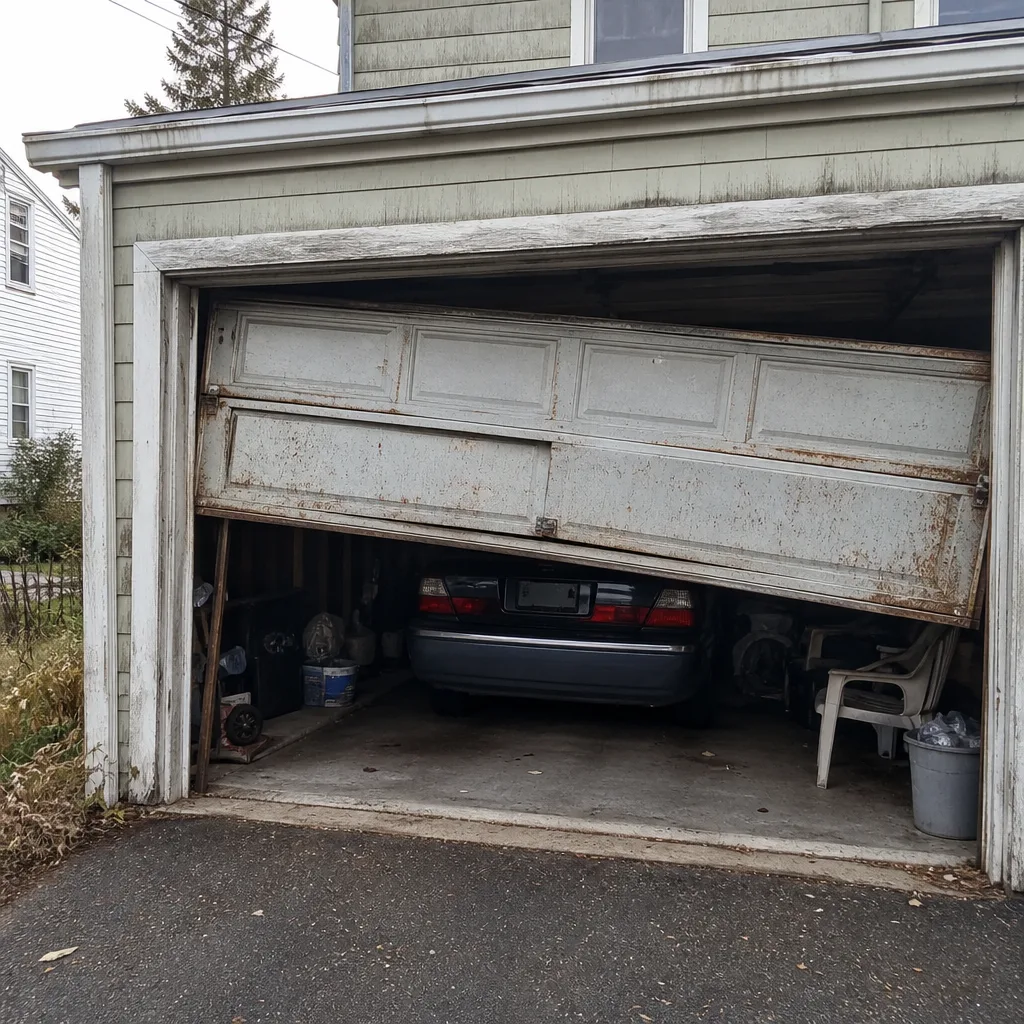 Before
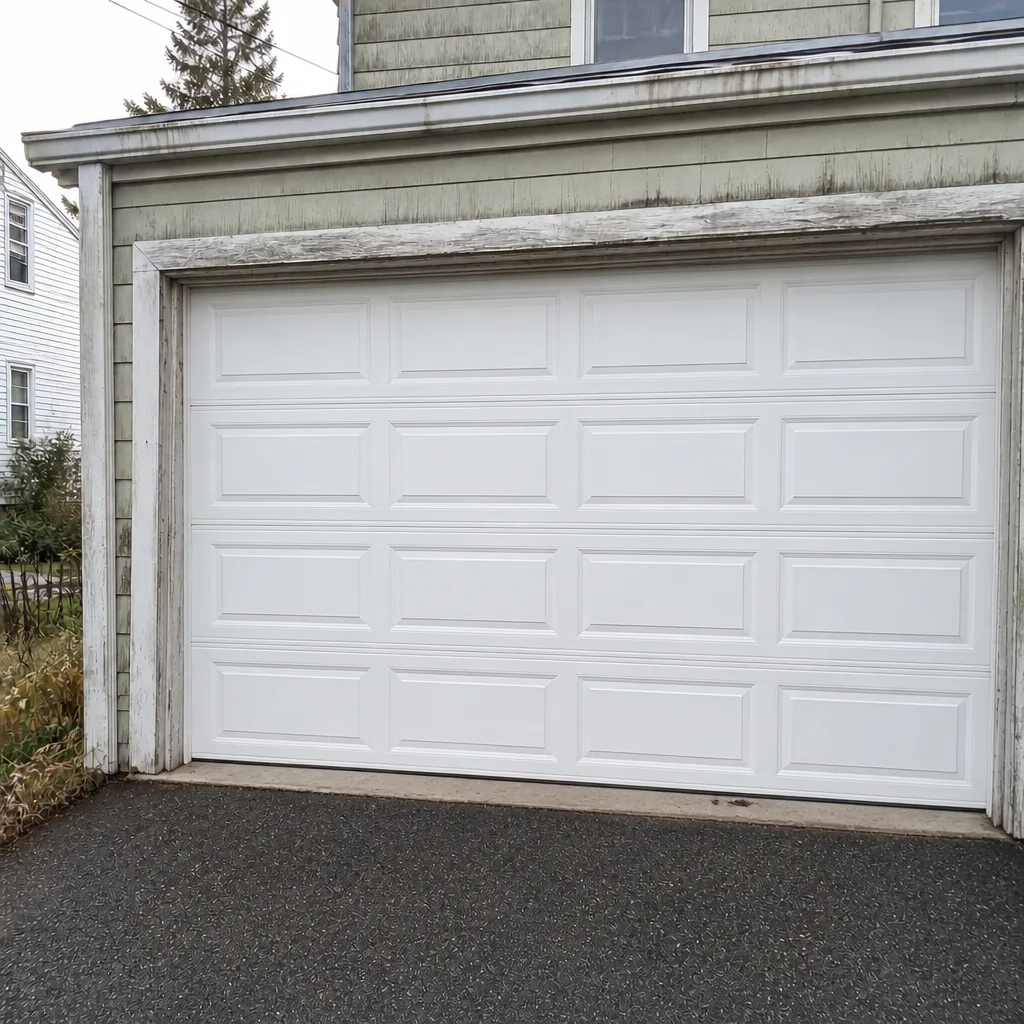 After
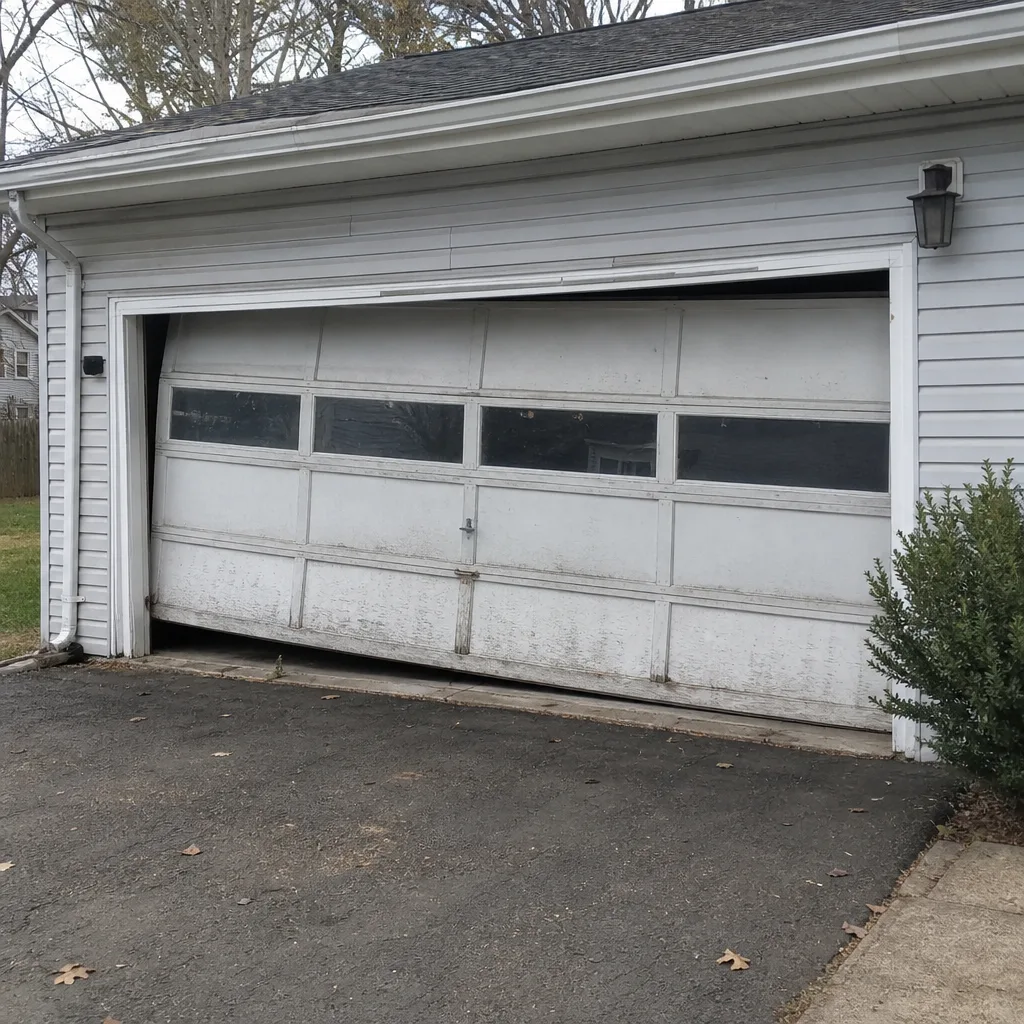 Before
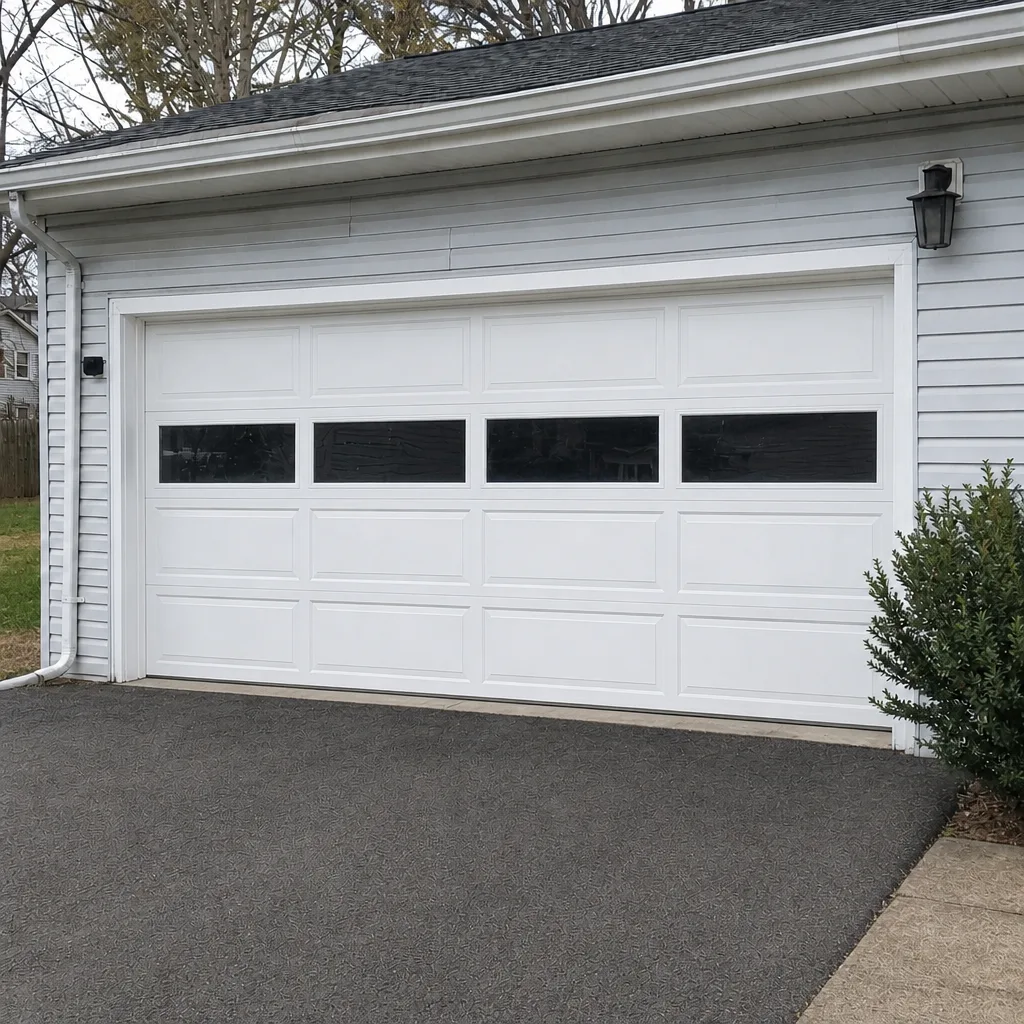 After
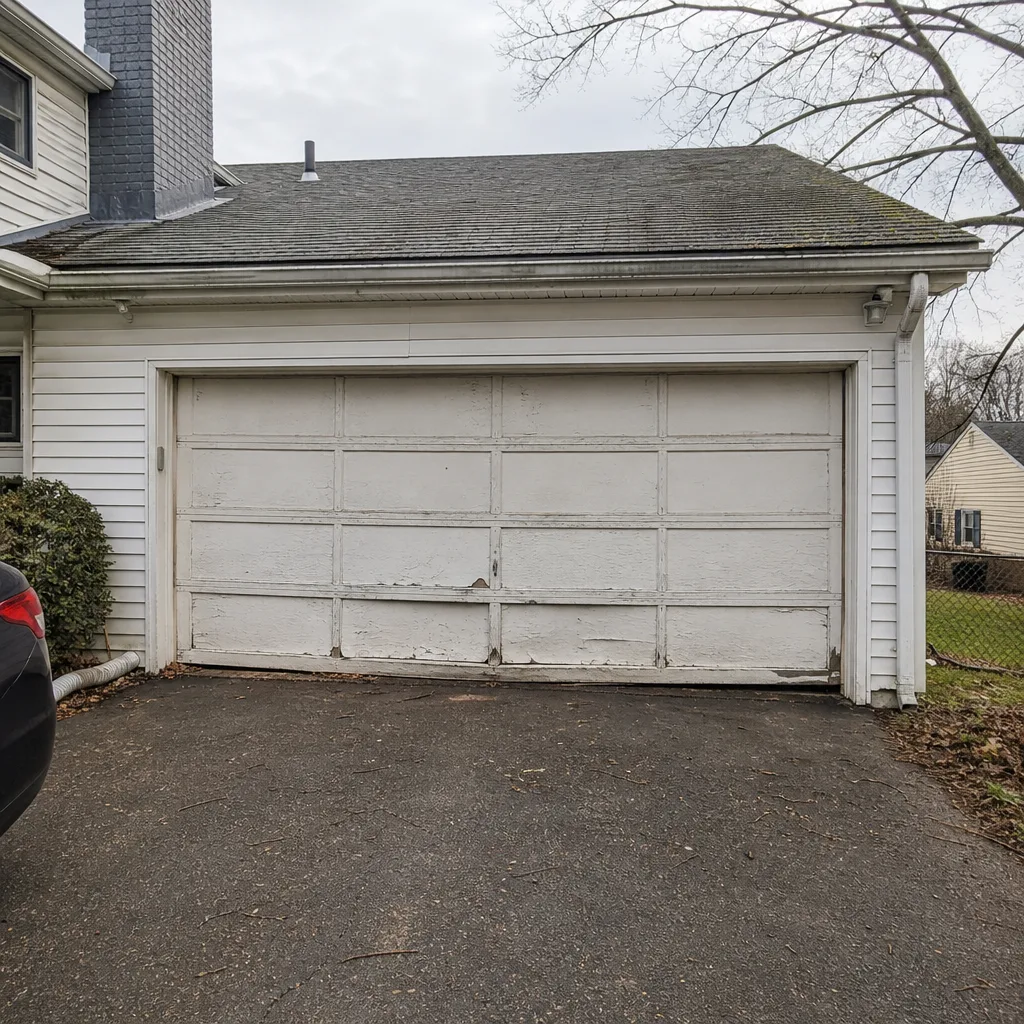 Before
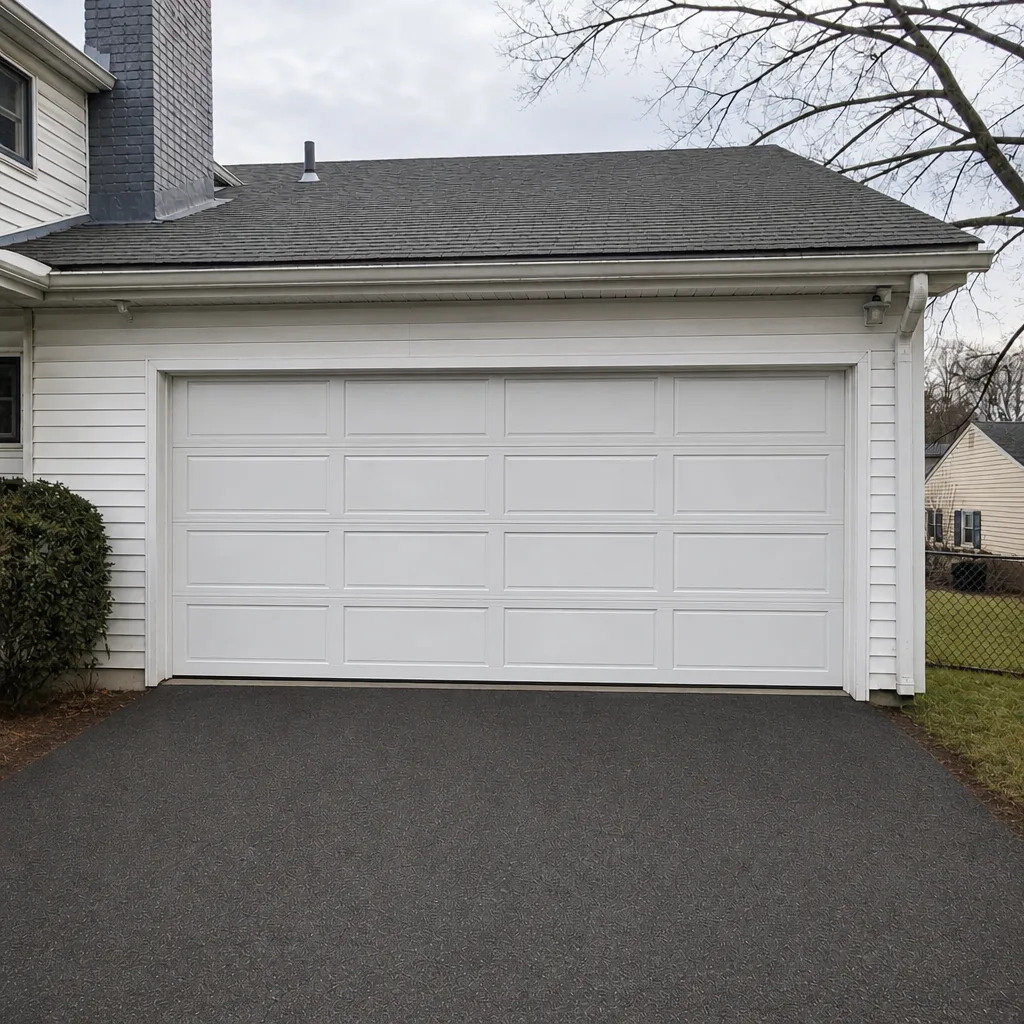 After
When to Call a Professional
Call a professional the moment a spring breaks, a cable snaps loose, or the door drops on one side – those three are genuine safety situations and should never be handled by a homeowner. Call for opener electronics, limit-screw problems you can’t resolve with a manual check, bent tracks, and sensor issues that persist once you’ve cleaned the lenses and cleared the path. Schedule a technician for panel damage, rollers that run crooked, and a door that’s become hard to lift or that won’t stay up. Enfield Garage Door Repair offers free estimates in Enfield – call (833) 468-5947. When it can’t wait until Monday, tell us what you saw and we’ll book the right visit.
Frequently Asked Questions
Typical garage door repairs in Enfield run on a per-job basis, with the price written and agreed before any work starts. Spring replacements are usually quoted for one spring, and a matched pair is often replaced together at roughly double a single-spring price. Sensor alignment, lubrication, and track adjustments are on the lower end; opener logic-board work and full door replacement are on the higher end. The written estimate is the final price – call (833) 468-5947 for a free estimate.
For an emergency like a broken spring, a snapped cable, or a door stuck open, call us and we’ll book an emergency visit during our hours – 7am to 7pm Sunday through Friday. We’re closed Saturday, so if your door fails on a Saturday, call and we’ll put you in for Sunday. Emergency booking depends on the season and the schedule. Call (833) 468-5947 and we’ll tell you what we can do.
Yes. A spring under tension holds the full weight of the door and stores considerable energy, and both torsion and extension springs can release it unpredictably. That’s why spring replacement is one of the most commonly botched DIY repairs, and why we never recommend homeowners touch one. A broken spring also makes the door too heavy to lift by hand, so don’t try. Call (833) 468-5947 and we’ll schedule a technician.
The temperature swings in Enfield move the wood framing and metal hardware enough that a track that was aligned in summer can bind when it’s cold and start slipping again when it warms up. Cold also affects the bearings and the opener’s travel limits. Most doors need a track check after the first hard freeze and again in spring. If the door binds or reverses once the weather cools, call (833) 468-5947 for a track inspection.
Yes. We work on the brand you already have, which means Clopay and Amarr doors, Wayne Dalton and Craftsman openers, and the full list of LiftMaster, Chamberlain, Genie, Raynor, and the rest of the eight major brands. Brand-agnostic service means we don’t tell you your equipment is “incompatible”. That’s the point of a multi-brand specialist. Call (833) 468-5947 with your brand in hand and we’ll diagnose it properly.
For very simple jobs – a loose sensor bracket, a battery in a remote – a handyman may be fine. For anything involving springs, cables, track alignment, or opener electronics, use a garage door specialist. Those components require trade-specific knowledge and safety practices, and a generalist may not have the experience to identify the actual root cause or order the correct replacement part. Call (833) 468-5947 and we’ll help you figure out the right next step.
The Bottom Line
Garage door problems look like symptoms but they’re really system failures, and the fastest way to fix the door is to figure out which system is failing rather than to chase the noise. Springs and cables are technician-only work, sensors and lubrication are yours, and track alignment needs a seasonal check because Enfield’s temperature swings will move the hardware year after year. When you’re not sure where the line is, stop, check the matrix, and call. We’re open Sunday through Friday, 7am to 7pm, closed Saturday, and we’re glad to help you sort a small fix from a real repair so you spend your time and money on the problem that’s actually there.
Contact Us for a Free Estimate
If you’re in Enfield and your door has a problem you can’t pin down, call Enfield Garage Door Repair at (833) 468-5947 for a free estimate. Tell us what you hear, what you see, and which part of the door is acting up. Our technicians have up to 15 years of experience, we service all eight major brands, and we quote before any work starts – so you know the price and the plan before anyone touches the door. Free estimates, and when it can’t wait until Monday, we’re here to book it.
Written by the team at Enfield Garage Door Repair.