Last updated November 23, 2026
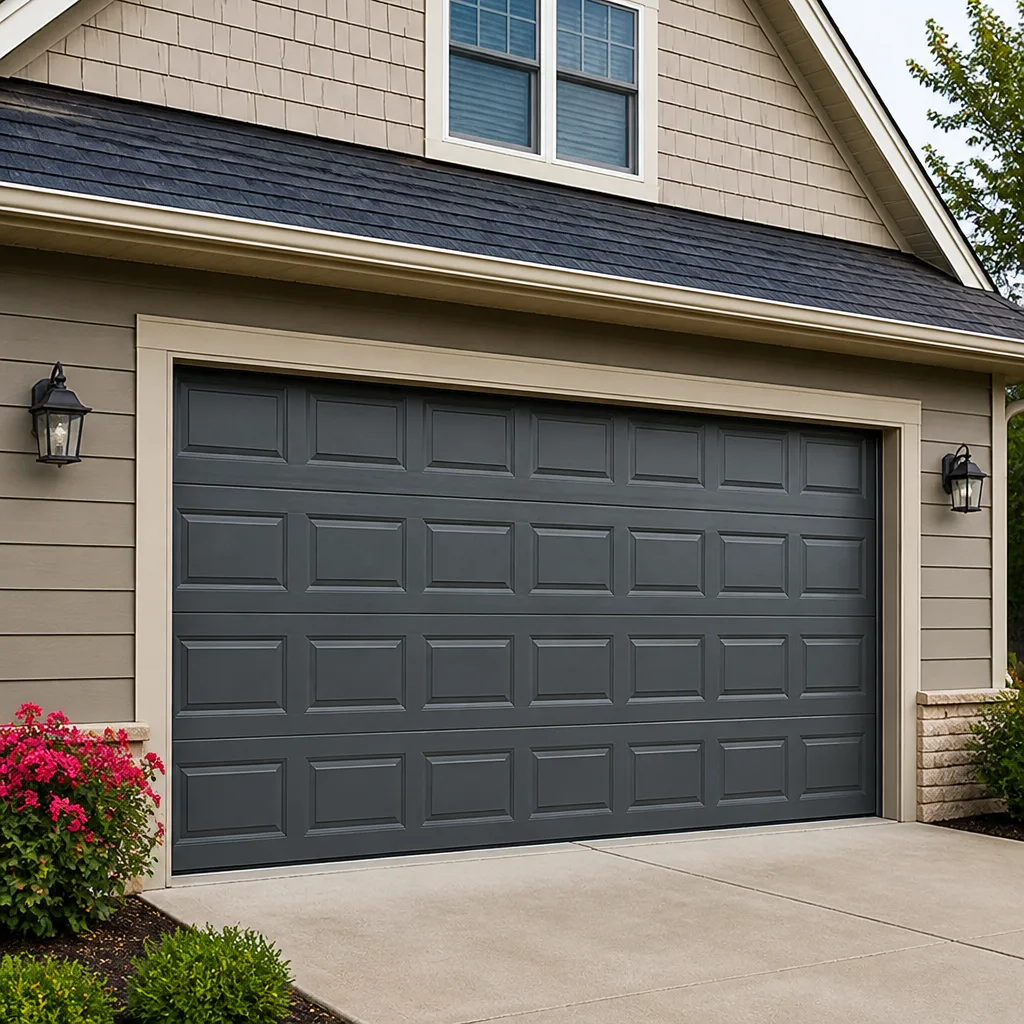 Raised-panel steel
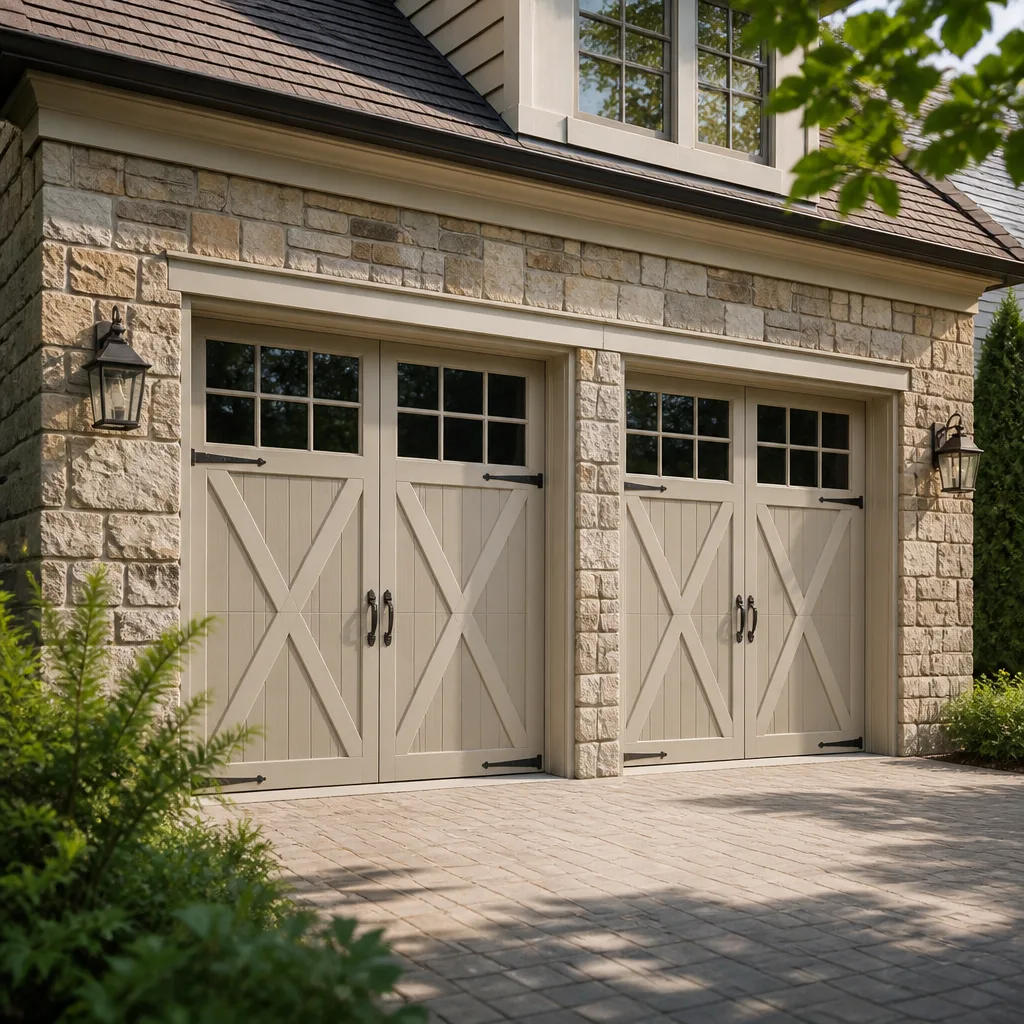 Carriage house
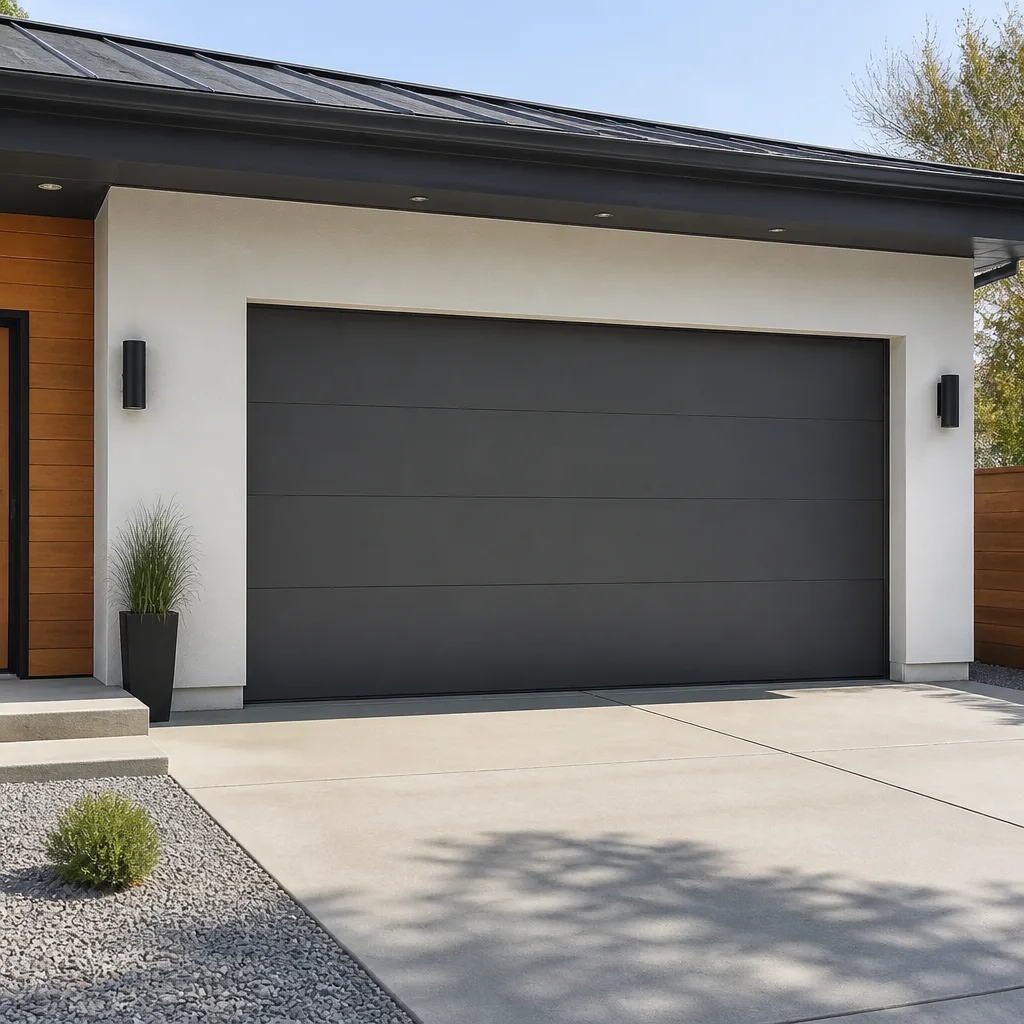 Modern flush
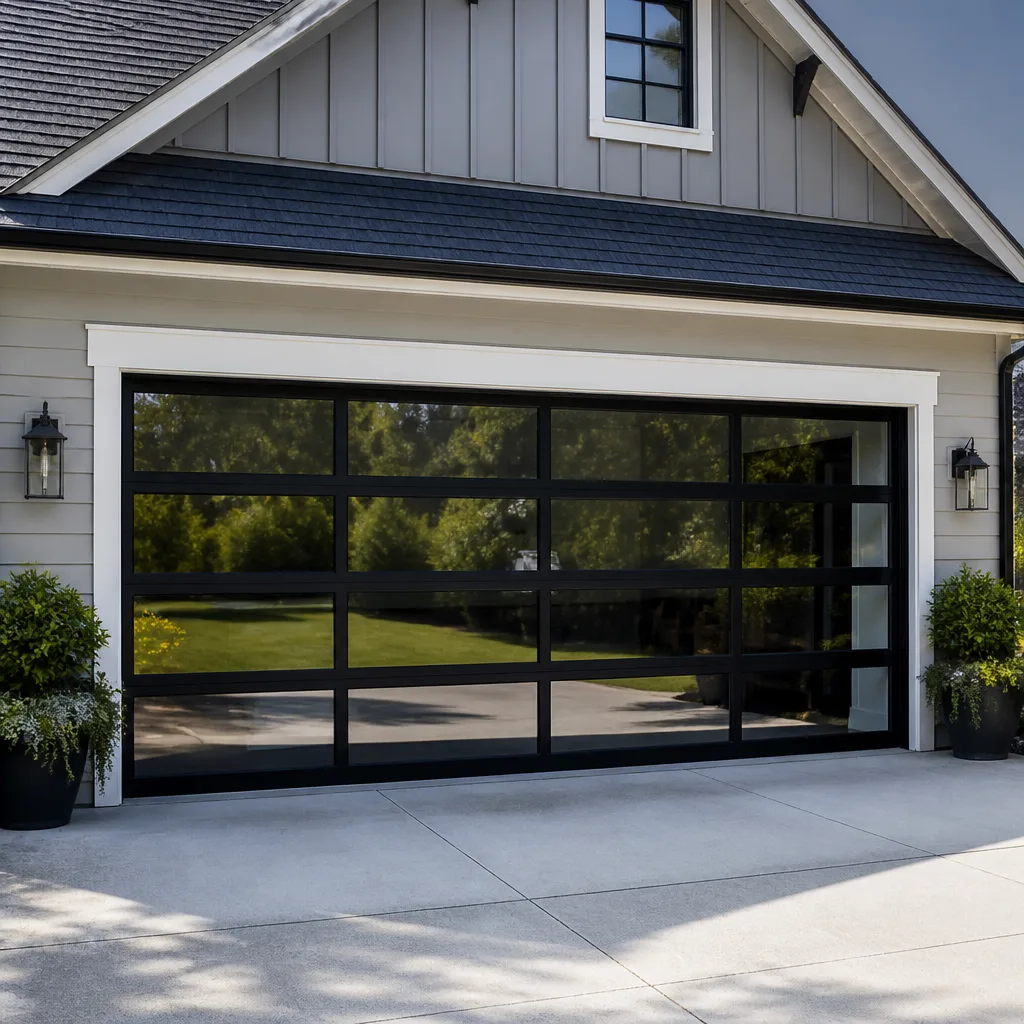 Full-view glass
 LiftMaster openers
 Chamberlain openers
Full 25-point door and opener safety check with every visit - springs, cables, rollers, tracks, and your LiftMaster or Chamberlain opener included
You get a price before we start. It does not change when the pro arrives.
Get your free estimateSeasonal Garage Door Care for Enfield: Year-Round Homeowner’s Guide
Garage doors in Enfield don’t fail in January. They fail in January because of what wasn’t done in October. The coldest week of the year is when a snapped torsion spring or a frozen seal finally gets noticed, but the damage started months earlier, during the first hard freeze, after a summer of humidity swell, or the day a homeowner greased the wrong part. This guide is weighted toward those transition weeks – the ones that sit on either side of winter – because that’s when Enfield’s temperature swings do the most mechanical damage and when a small adjustment prevents an emergency call. You’ll learn what to check and when.
Quick Answer
Seasonal garage door care in Enfield comes down to four jobs timed to the calendar: a pre-winter tune-up in early fall, a freeze-thaw check in late winter and early spring, a humidity adjustment in summer, and a full balance and safety-reverse test each season. The transition months matter most. A door that’s balanced, lubricated, and properly sealed before the first freeze is far less likely to need emergency repair in January, when cold makes metal brittle and spring failures spike across Hartford County.
Styles & brands we work with
- Raised-panel steel
- Carriage house
- Modern flush
- Full-view glass
- LiftMaster openers
- Chamberlain openers
Table of Contents
- Why Enfield Garage Doors Fail in January, Not October
- Pre-Winter Prep: The Adjustments That Prevent Cold-Weather Failures
- What Sub-Zero Temperatures Do to Torsion Springs
- Spring Thaw: Freeze-Expanded Frames and Door Binding
- Summer Humidity, Wood Panels, and Opener Sensitivity
- Month-by-Month Care Calendar for Enfield’s Climate
- The Safety Checks Every Enfield Homeowner Should Run Each Season
- What to Do Yourself and What to Leave to a Technician
Why Enfield Garage Doors Fail in January, Not October
A garage door is a mechanical system that moves hundreds of times a year under constant tension, and its weak points are the parts that react to temperature. Cold stiffens grease. It shrinks seals. It makes steel and spring wire less forgiving of a bind that was already there. None of that shows up the day temperatures drop. It shows up weeks later, after enough cycles have worked a small problem into a real one.
Enfield sits in a part of Connecticut where the seasonal swing is wide. Summers bring stretches of humid air that swell wood panels and can throw an opener’s sensitivity off. Winters bring hard freezes. The weeks between those two extremes are the ones that decide whether the door makes it through the cold without a service call. In our experience, most of the emergency calls we run in Enfield during a deep freeze trace back to something that was visible and fixable in the fall: a spring with a worn coil, a bottom seal that had cracked, a track with a loose lag bolt.
This guide treats seasonal care as a calendar, not a checklist of things to do “when you think of it.” If you know which task belongs to which month, the door takes care of itself. If you skip the fall and spring windows, you’ll usually find out in January.
The good news: none of this is complicated. A homeowner can handle most of it with a visual inspection and a can of the right lubricant. The hard parts – springs, cables, and anything that has to do with tension – belong to a technician. We’ll be clear about which is which.
Pre-Winter Prep: The Adjustments That Prevent Cold-Weather Failures
The single most valuable garage door work you can do in Enfield happens between late September and the first hard frost. That window is when the door is still moving freely, seals are still pliable, and a small adjustment is cheap. Once the cold sets in, every job takes longer and the parts are less cooperative.
Here’s what a real pre-winter tune-up covers and why each item matters in Enfield’s climate:
- Spring tension check. A torsion spring loses a little lift strength as it ages, and cold amplifies that loss. If the door feels heavier than it used to when you lift it manually, or if the opener strains at the start of travel, the balance is off. A technician can adjust tension for the cold months rather than let the opener absorb the load.
- Bottom seal replacement timing. The bottom weather seal is the first line of defense against cold air and snowmelt. It hardens and cracks with UV exposure over the summer, then fails in the first freeze. Replacing it in the fall, before the cold locks it onto the floor, is easier and cheaper than replacing a frozen or torn seal in January.
- Door frame and threshold check. Look for gaps at the floor where cold air and water get in. In Enfield, where freeze-thaw cycles are routine, a poorly sealed threshold lets meltwater refreeze under the door, which is how ice forms on the floor and binds the panel.
- Lubricant refresh. Summer heat thins grease; cold thickens it. A light, door-specific lubricant on hinges, rollers, and the torsion shaft keeps everything moving when the mercury drops. Avoid heavy grease, which stiffens in cold.
- Hardware torque check. Loose lag bolts and hinge screws are common after a summer of vibration. Tightening them before winter prevents a rattling, misaligned door when the metal contracts.
None of this is a “skip the technician” pitch. The spring-tension check and any adjustment to the torsion system should be done by someone who does it for a living. But a homeowner can handle the seal inspection, the lubrication, and the visual walk-around. That leaves the dangerous part to us and keeps the door running. If you want the whole pre-winter job handled in one visit, our garage door repair team can do a full tune-up before the cold sets in.
What Sub-Zero Temperatures Do to Torsion Springs
A torsion spring doesn’t break because it’s old. It breaks because it’s cold and it’s been cycled thousands of times, and cold removes the margin that was holding the metal together. That’s why the first real cold snap of a Connecticut winter always produces a run of spring failures.
Spring wire is heat-treated steel under constant torsional load. At normal temperatures it’s elastic enough to flex with each open and close. When the mercury drops well below freezing, the metal contracts and becomes less ductile. A spring that was at the edge of its fatigue life in October may have just enough give to survive – until the cold removes it. Then one cycle is one too many.
How do you recognize a spring that won’t survive another Enfield winter? A few signs are worth watching for in the fall:
- A visible gap in the coil. A torsion spring that has snapped cleanly shows a separated coil on the bar. A partially worn spring may show thinning or a slight sag in the coil spacing.
- The door feels heavy on the way up. If you can lift the door manually and it feels significantly heavier than its counterbalance should allow, the spring is losing tension.
- A loud pop from the garage. That sound is usually the spring failing. Once it does, the door becomes very heavy and the opener will strain or stall – stop using it and call a technician.
- Uneven or jerky travel. If the door hesitates or the opener has to work harder partway up, the spring may be out of balance or partially broken.
Springs are one of the most dangerous parts of any garage door to work on. They’re under enormous tension even when the door is closed, and an inexperienced adjustment can release that tension in a way that causes serious injury. We handle garage door spring repair as a specialty for exactly this reason. If you suspect a spring is failing before winter, that’s a job to schedule, not to test by hand. If you’d rather not wait, call us and we’ll take a look before the first hard freeze.
Spring Thaw: Freeze-Expanded Frames and Door Binding
When the freeze breaks in late winter and early spring, doors that ran cleanly all winter start to bind. The cause is almost always the frame, not the door. Wood and metal frame components absorb moisture and expand through the cold months, and once they expand, the door’s travel path narrows.
What that feels like: the door catches part way down, the opener strains, or the safety reverse kicks in unexpectedly. On a Clopay or Amarr steel door, the panel itself rarely warps much. The more common culprit is the jamb and track, which have moved a fraction of an inch closer together as the frame swelled. On a wood door, the panels themselves swell with humidity and may rub the frame.
Most binding can be corrected by adjusting the travel limits and re-aligning the track, but this is where homeowners tend to over-correct. Here’s how to approach it:
- Watch the door through a full cycle. Note where it catches or reverses. That tells you which track is out of alignment.
- Check the safety reverse first. A door that reverses on the way down is doing its job – the object-detection sensor may be seeing a real obstruction.
- Loosen, don’t force. If a track needs adjustment, loosen the mounting bolts slightly, nudge the track, and retighten. Forcing a bent track back into place usually bends it further.
- Re-test the balance and the safety reverse after any adjustment. A door that opens and closes but doesn’t reverse on a test block is a safety problem, not a fixed door.
- Call a technician if the track is bent or the door still binds. A track that’s out of square needs to be replaced or realigned with the right tools, not persuaded back into shape.
The travel-limit adjustment on an opener is a common source of over-correction. If you shorten the down limit to stop a bind, you can leave a gap at the floor that lets in cold air and water, and you may defeat the safety reverse. Set the limit to close fully on the floor, then fix the bind at the track. This is the single most common spring thaw mistake we see, and it’s why the seasonal transition is worth a professional eye. A garage door opener repair visit can reset the limits correctly after the frame settles.
Summer Humidity, Wood Panels, and Opener Sensitivity
Enfield summers bring humid stretches that most garage door guides ignore. The effects are real, and they usually show up as an opener that “acts up” on the hottest, muggiest days of July and August.
Wood door panels absorb moisture and swell. That swelling can cause the panels to rub the frame, bind slightly, and put extra load on the opener. A Genie or Chamberlain opener with a sensitivity setting that was dialed in during dry weather may start reversing or stalling on a humid afternoon, not because the opener is failing, but because the door has become harder to move. The same humidity affects the safety sensors, which can fog or accumulate condensation, and the opener’s electronics, which don’t love damp air.
What to do in summer:
- Re-test opener sensitivity. If the door reverses on its own during humid weather, don’t crank up the force setting. Diagnose why the door is binding first.
- Inspect wood panels for swelling or cracks. On Clopay and similar wood or wood-composite doors, look for panels that rub the frame and for finish that has cracked, which lets moisture in.
- Check the safety sensors. Wipe the lenses and confirm the indicator light stays solid. A sensor that’s misaligned or fogged will cause random reversals.
- Watch for rust on steel hardware. Humidity accelerates rust on hinges and rollers, which adds friction. A light lubricant helps.
- Keep gutters clear. Water management around the garage matters in Hartford County’s summer storms. A gutter that dumps water at the garage door contributes to the same moisture problems the door is fighting.
The summer opener quirks that send people searching for repair are usually a door-binding problem showing up through the opener. When the humidity drops in fall, the symptom disappears – which is exactly why it gets ignored until winter. Fixing the binding in summer means the door is ready for the cold.
Month-by-Month Care Calendar for Enfield’s Climate
Here’s the calendar we recommend for Enfield homes, built around the actual seasonal swing here rather than a national average. The transition months do the heavy lifting.
- September: Full visual inspection. Look for worn springs, cracked seals, loose hardware, and a door that no longer balances. Schedule any pre-winter repair now, before the cold makes the work harder.
- October: The pre-winter tune-up. Lubricate hinges and rollers, replace the bottom seal if it’s cracked, tighten hardware, and have the spring tension checked. This is the most important month in the calendar.
- November: Confirm the door seals tightly against the floor. Test the safety reverse. Check the opener’s force and travel settings before cold weather arrives.
- December through February: Watch and listen. A door that suddenly feels heavy, jerks, or makes a popping sound is telling you something. Stop using it and call if you suspect a spring. Cold months are for monitoring, not adjusting.
- March: The freeze-thaw check. Watch for binding as frames swell, test the safety reverse, and correct travel limits without over-correcting. This is the second transition month that matters most.
- April and May: Inspect for winter damage. Look at the bottom seal, the tracks, and the springs. Replace anything that cracked over the winter.
- June through August: Humidity watch. Re-test opener sensitivity, check for panel swelling on wood doors, and keep the sensors clean. If the opener reverses on humid days, find the bind instead of increasing force.
Some homeowners find it easier to tie a professional visit to the two transition windows – early fall and early spring – rather than run the calendar themselves. That’s a reasonable approach. The important thing is that the two transition windows don’t get skipped. A door that’s checked in October and March rarely needs an emergency call in July or January.
The Safety Checks Every Enfield Homeowner Should Run Each Season
A garage door is the largest moving object in most homes, and the safety systems that protect people from it should be tested every season. These checks take five minutes and don’t require tools.
- Test the safety reverse. Place a small object – a roll of paper towels works – on the floor in the door’s path. Close the door. It should reverse within a couple of seconds of contacting the object. If it doesn’t, stop using the door and call a technician. This is a safety issue, not a maintenance item.
- Test the photo-eye sensors. With the door open, wave an object between the two sensors mounted near the floor on either side of the opening. The door should not close, or should reverse if closing. A sensor with a flickering indicator light is misaligned.
- Test the balance. Disconnect the opener (use the manual release) and lift the door halfway. Let go. A balanced door should hold roughly in place, not fall or rise on its own. A door that won’t hold is out of balance and needs spring attention.
- Inspect the cables and springs. Look for frayed cables, loose hardware, and a spring with a visible gap or sag. Don’t touch the springs or attempt any adjustment – just note the condition and call.
- Check the bottom seal and door frame. A cracked seal, a gap at the floor, or a door frame that’s pulling away from the wall affects both weather sealing and safety.
Two of these checks – the safety reverse and the balance test – are the ones that matter most because they catch problems before they become injuries. If either fails, don’t rely on the door until it’s inspected. Our technicians have up to 15 years of experience testing these systems and can confirm whether a door is safe to use or needs Enfield Garage Door Repair service before anyone stands under it.
What to Do Yourself and What to Leave to a Technician
Seasonal care works best when homeowners and technicians split the work by risk. There’s a lot you can do yourself that saves money and keeps the door running. There’s a short list of things that should never be a DIY project, and springs and cables are at the top.
Safe to do yourself:
- Lubricate hinges, rollers, and the torsion shaft with a door-specific lubricant.
- Wipe and align the photo-eye sensors.
- Test the safety reverse and balance every season.
- Inspect the bottom seal, door frame, and hardware for visible damage.
- Tighten loose lag bolts and hinge screws.
- Clear gutters and redirect water away from the garage threshold.
Leave to a technician:
- Any work on torsion springs or extension springs – the tension is dangerous, and a mistake can cause serious injury.
- Adjusting or replacing cables, which are also under high tension.
- Realigning or replacing a bent track.
- Correcting opener travel limits after a binding issue.
- Replacing a door or opener.
The line between those lists is not about how hard the task looks. It’s about tension and load. Springs and cables store energy that can release suddenly and without warning, and no amount of care makes that safe for an untrained hand. That’s the single safety point we’d put on a refrigerator magnet if we handed them out.
When a job does need a technician, brand familiarity matters more than people expect. Door and opener brands behave differently. A Genie opener’s force and sensitivity settings are arranged differently from a LiftMaster’s, and a Clopay door’s panel and frame tolerances differ from an Amarr’s. We work on the brand you already have across eight major names, so a technician arrives knowing the specific system rather than reading a manual. That’s what “diagnosed by someone who knows this brand” means in practice – and it’s why we carry parts familiarity for the equipment in Enfield homes.
Common Mistakes to Avoid
- Waiting for the door to break before winter prep. By the time the cold reveals a worn spring, the repair is an emergency rather than a scheduled job. Do the fall tune-up while the weather still cooperates.
- Greasing the tracks. Lubricant goes on hinges, rollers, and the torsion shaft, not on the track itself, where grease attracts grit and makes the door bind. Use a door-specific lubricant, and never heavy grease in cold weather.
- Over-correcting the travel limits. Shortening the down limit to stop a bind leaves a floor gap that lets in cold air and water, and it can defeat the safety reverse. Fix the bind, then set the limit to close fully.
- Increasing opener force to compensate for a binding door. If the door binds in the humidity or after a thaw, the opener’s force setting should stay put while the bind gets fixed. Cranking up force just makes the opener work harder on a problem that isn’t its fault. When in doubt, schedule garage door opener repair to diagnose the root cause.
- Skipping the spring thaw check. The weeks when frames are still swollen are when binding starts, and the resulting opener strain carries into summer. Check in March, not in July.
- Assuming the problem is the opener when the door is out of balance. A door that won’t hold halfway up is a spring problem showing up as an opener symptom. Test the balance before assuming the electronics are failing.
- Letting a cracked bottom seal sit through a freeze. A hardened or torn seal lets in snowmelt that refreezes at the threshold and binds the door. Replace it in fall, before the cold locks it to the floor.
See the difference
 Before
 After
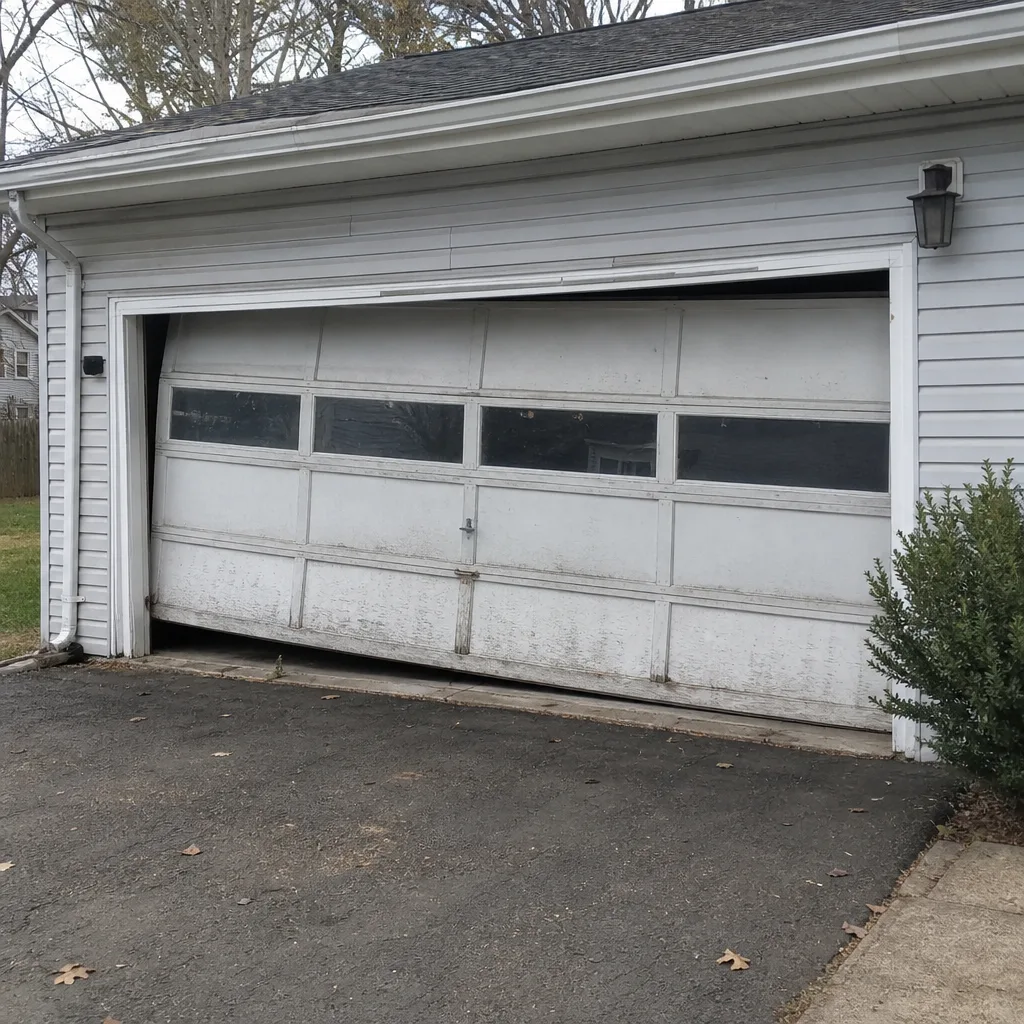 Before
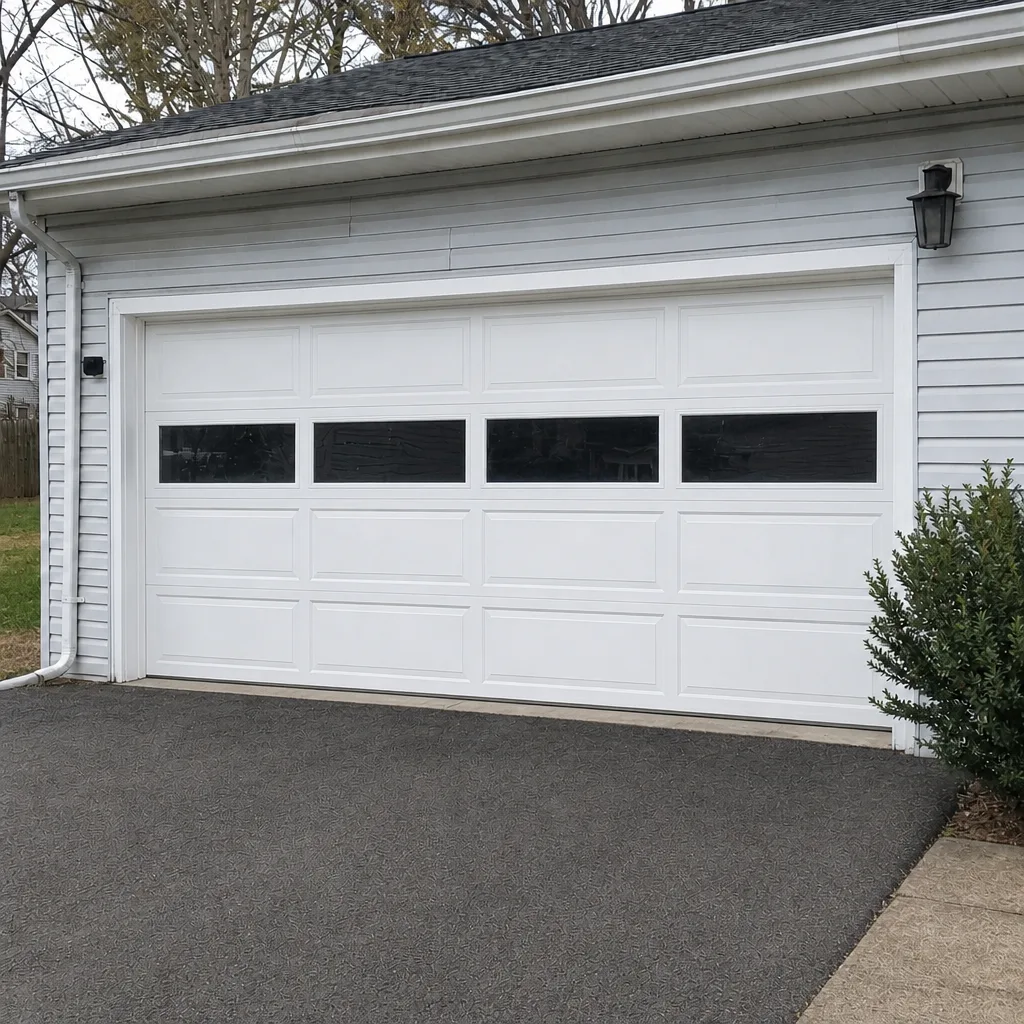 After
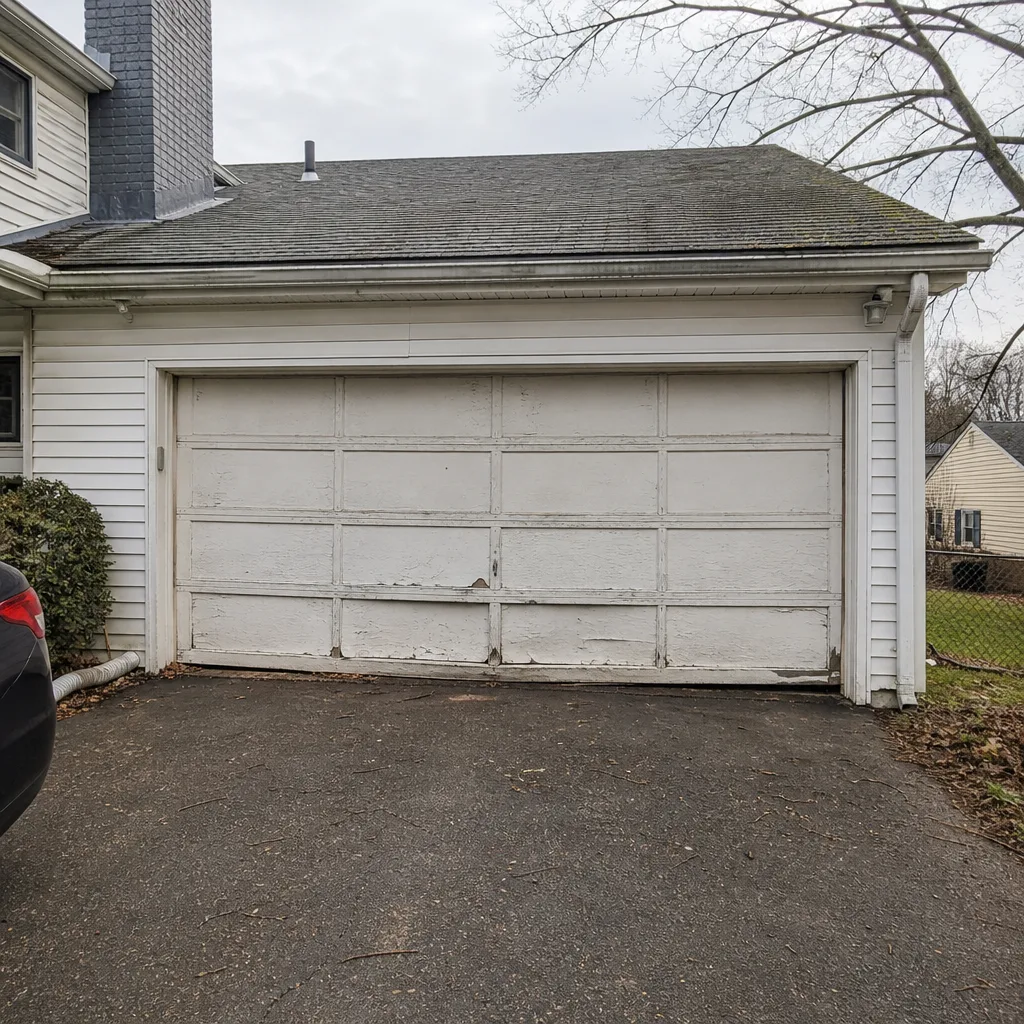 Before
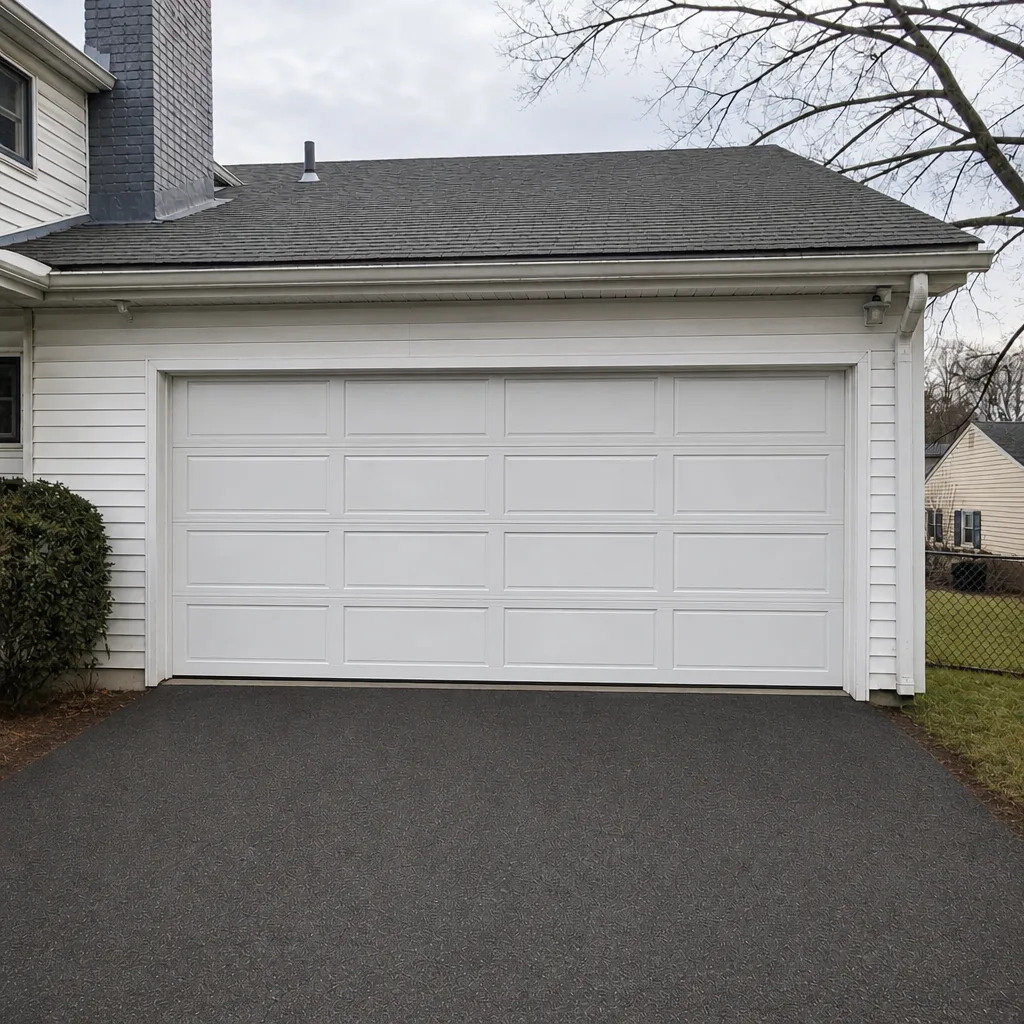 After
When to Call a Professional
Some seasonal tasks belong to a technician, and a few situations should get a call immediately. If you hear a loud pop from the garage, see a spring with a gap or sag, or find the door suddenly very heavy, stop using it and call – those are tension-system failures that carry real injury risk. If the safety reverse fails a test, or a photo-eye sensor won’t stay aligned, the door shouldn’t be used until it’s checked. If the door binds in late winter, if the opener reverses on humid days, or if the bottom seal has cracked, that’s a good time to schedule a professional visit. Enfield Garage Door Repair offers free estimates in Enfield – call (833) 468-5947. We work on the brand you already have and will tell you plainly whether the door needs a tune-up, a repair, or a replacement.
Frequently Asked Questions
Once a year is the minimum, and for most Enfield homes a tune-up in early fall is the one that matters most because it prevents cold-weather failures. If your door gets heavy use, or you’ve had a spring or opener repair, add a spring check in late winter when the freeze-thaw cycle is at its peak. A door that’s balanced and lubricated before winter rarely needs an emergency call in January. Call (833) 468-5947 for a free estimate on a seasonal tune-up.
You can safely lubricate hinges and rollers, test the safety reverse, clean the sensors, and inspect the seal and frame. Springs, cables, track realignment, and opener travel-limit adjustments should be left to a technician because of the stored tension and load. The split is about risk, not difficulty. If you’re unsure which side a task falls on, call us and we’ll tell you plainly before you touch anything.
Cold weather makes steel less ductile and thickens lubricant, which removes the margin a worn spring or a slight bind has been using all year. The failure is usually set up months earlier by skipped fall maintenance. In Enfield, the first hard freeze is when doors that were only borderline in October finally give out. If a spring snaps, don’t run the opener – call a technician.
The pre-winter tune-up in late September or October is the highest-value task on the calendar. It catches the worn spring, replaces the hardened bottom seal, and tightens the hardware while the door is still moving freely. It also gives a technician a chance to flag anything that’s drifting toward failure before the cold accelerates it. A free estimate from Enfield Garage Door Repair takes the guesswork out of that check.
Binding in late winter is usually a swelling frame narrowing the door’s travel path. Note where the door catches, check the safety reverse, and slightly loosen the track bolts to nudge rather than force. Don’t shorten the down limit to mask the problem. If the track is bent or the door still binds after an adjustment, a technician should realign it. Call (833) 468-5947 if the bind persists.
Yes. Humid air swells wood panels and raises friction on hinges, which makes the door harder to move. An opener with sensitivity tuned in dry weather can then reverse or stall on humid days. The fix is to find the bind, not to increase opener force. A seasonal sensitivity re-test in June catches it before it shows up as a repair call.
The Bottom Line
Enfield garage doors fail in January because of what wasn’t done in October. The two transition windows – early fall and the spring thaw – are where seasonal care pays for itself. Get the pre-winter tune-up done before the first freeze, watch for spring signs in the fall, fix bindings in the thaw instead of over-correcting the opener, and re-test the safety reverse every season. Most of this is within a homeowner’s reach. The parts that aren’t – springs, cables, track realignment – belong with a technician. Call Enfield Garage Door Repair at (833) 468-5947 for a free estimate; estimates are free, and the written quote is the price before any work starts.
Springs, openers, panels, full installs – one call covers it. We work on the brand you already have, and When it can’t wait until Monday, emergency service is available. Our technicians have up to 15 years of experience. Call (833) 468-5947 to schedule a seasonal check or get a free estimate.
Written by the team at Enfield Garage Door Repair.