Last updated November 23, 2026
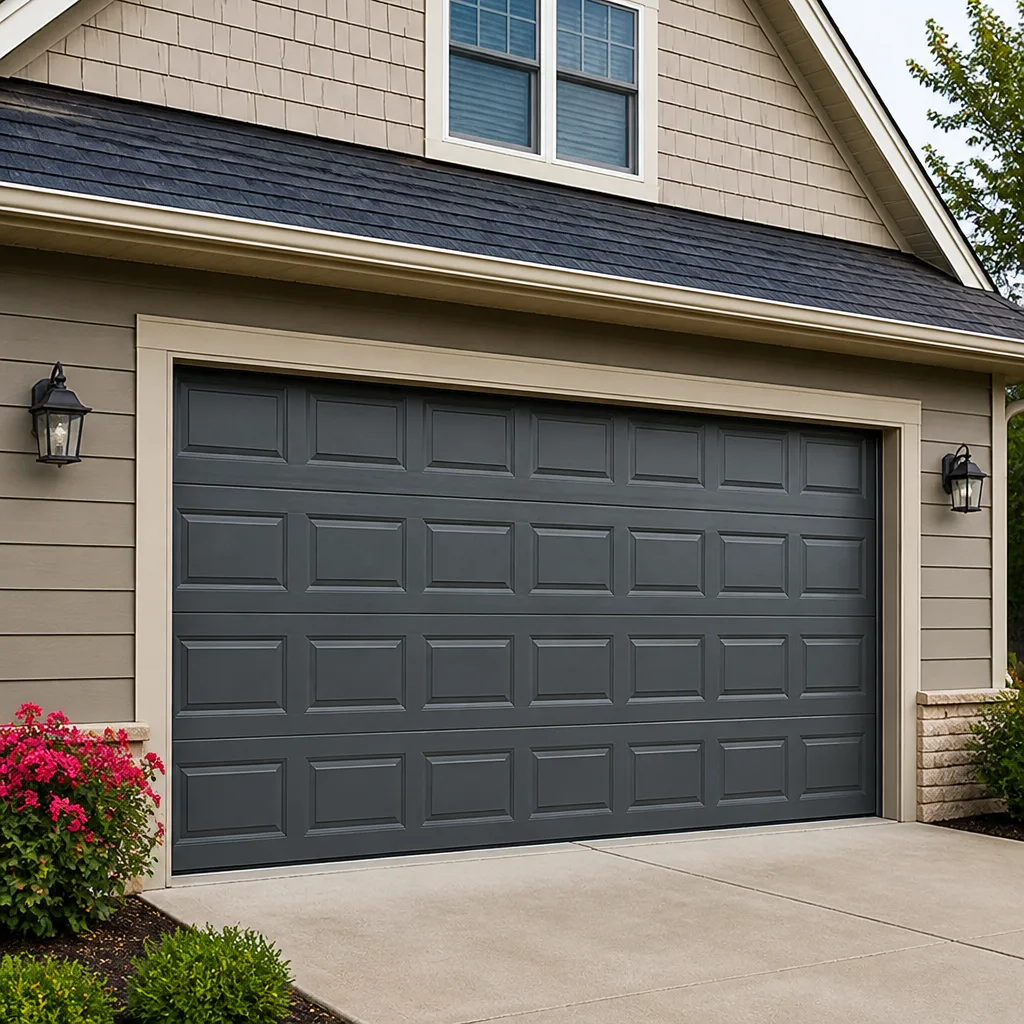 Raised-panel steel
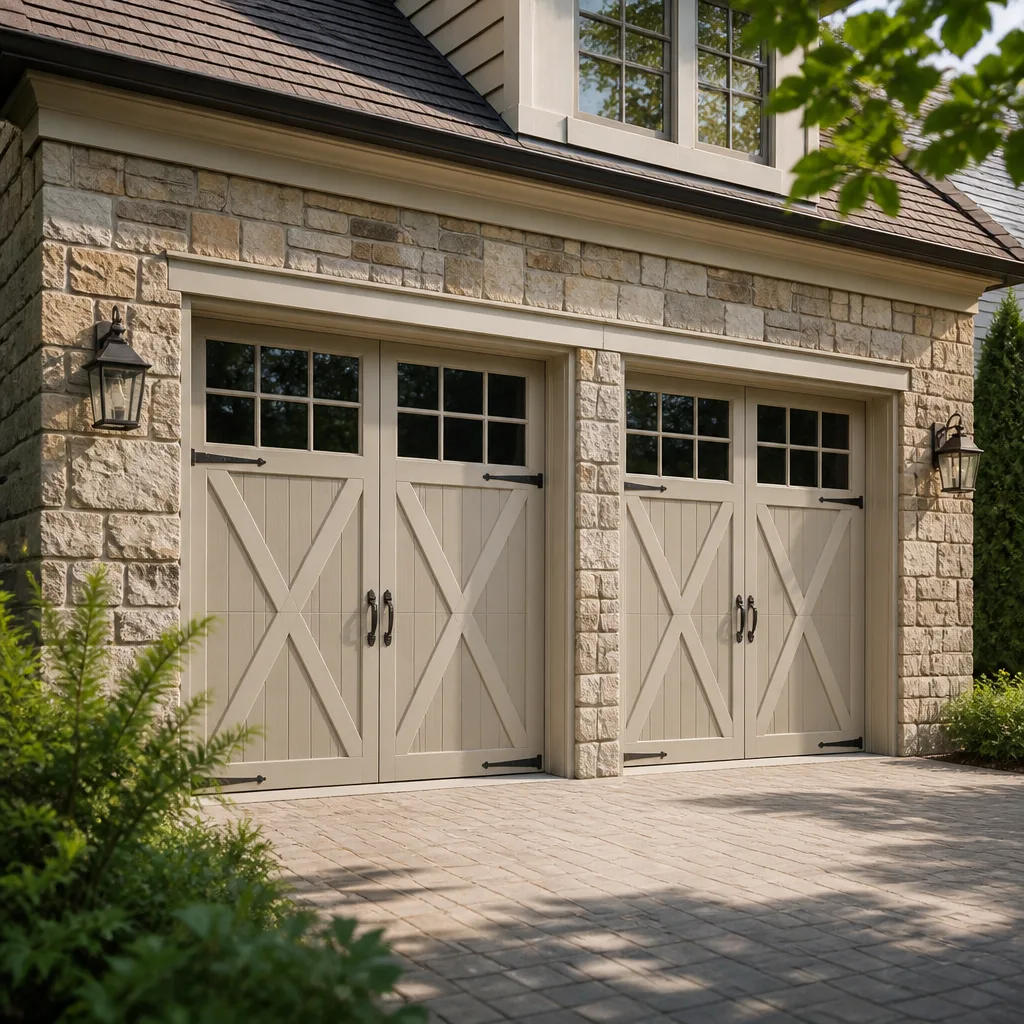 Carriage house
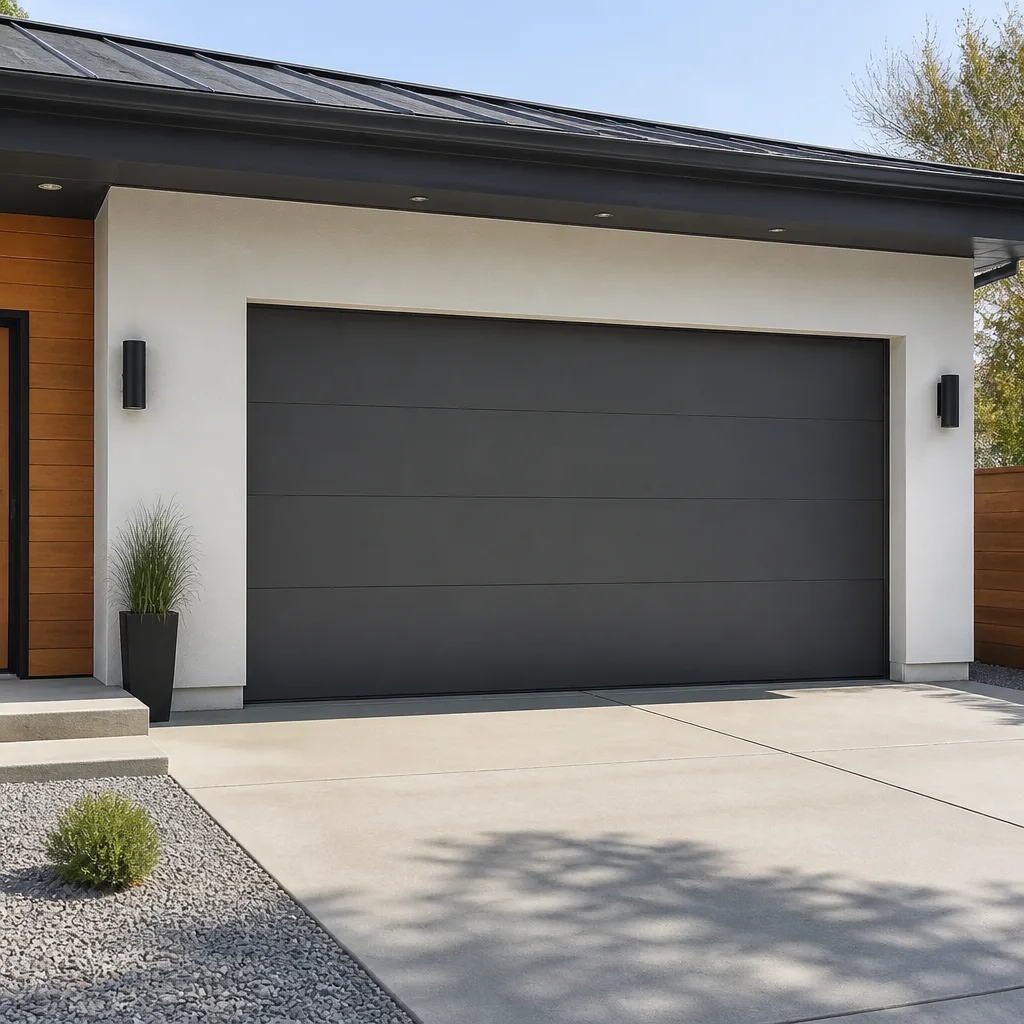 Modern flush
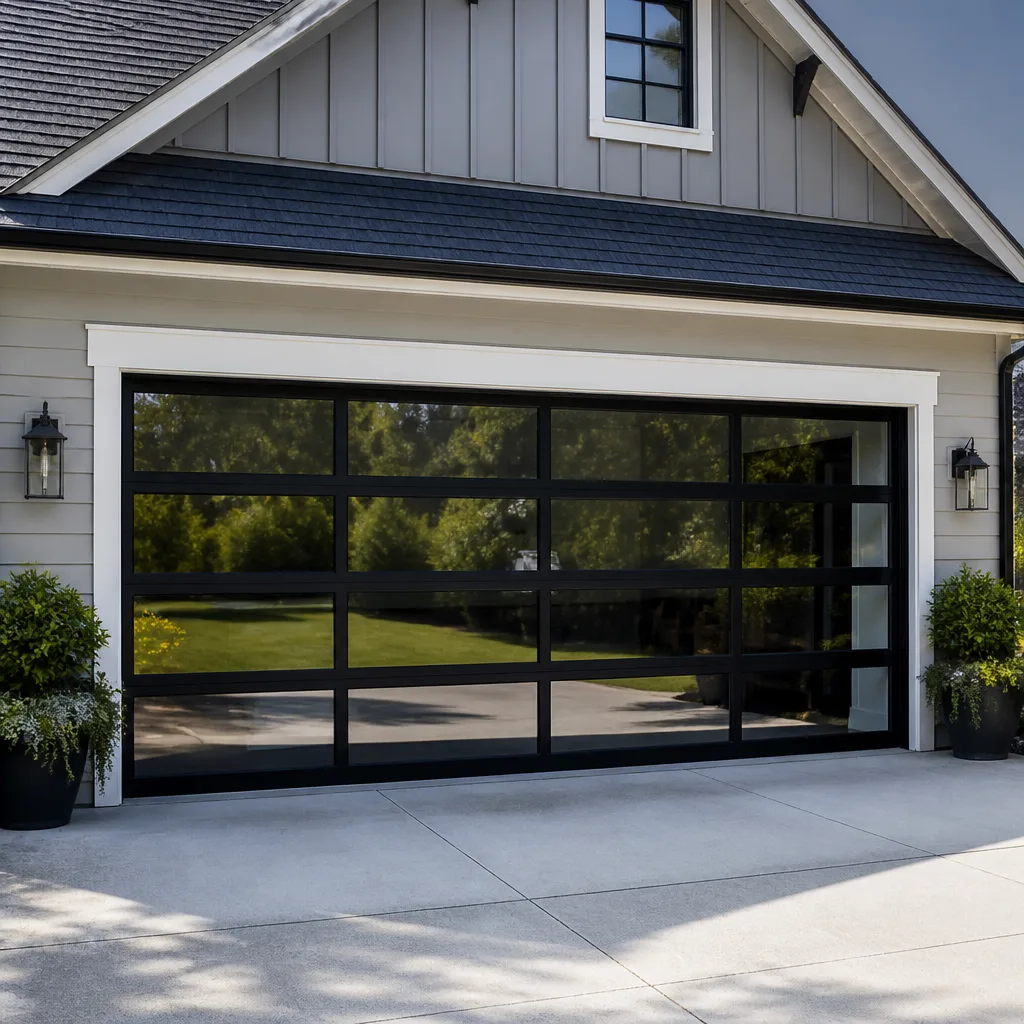 Full-view glass
 LiftMaster openers
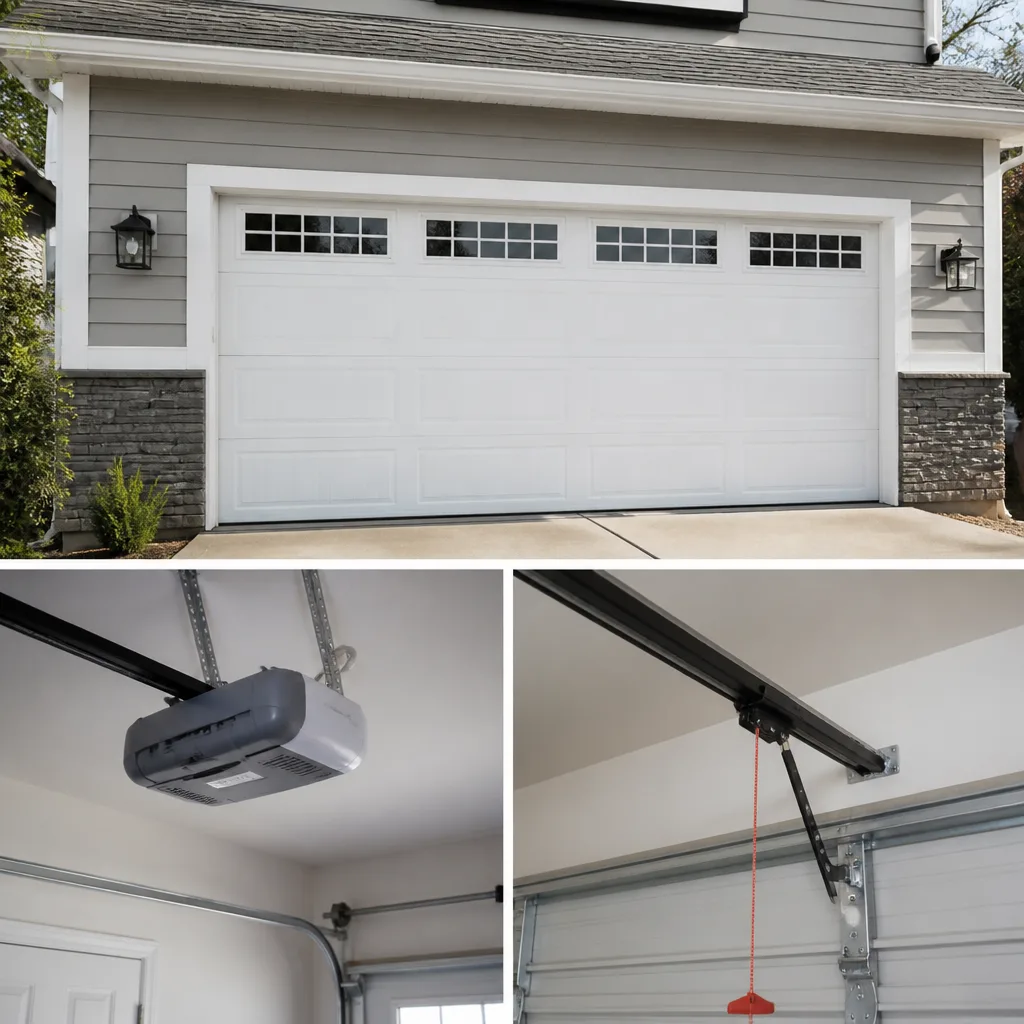 Chamberlain openers
Full 25-point door and opener safety check with every visit - springs, cables, rollers, tracks, and your LiftMaster or Chamberlain opener included
You get a price before we start. It does not change when the pro arrives.
Get your free estimateChoosing the Right Garage Door Brand: A Buyer’s Guide for Enfield
A premium brand name on your door means nothing at 7am on a January Monday if the spring is a proprietary size that takes four days to source from out of state. That’s the part of the brand decision most showroom conversations skip. Enfield sits in a freeze-thaw climate where doors cycle hundreds of times a winter, and the brand you pick determines not just how the door looks on day one but how quickly it can be fixed five years from now. In this guide we’ll walk through the criteria that actually matter after the sale: parts availability in Connecticut, steel and insulation specs translated into plain terms, which hardware is standard and which is proprietary, and how panel construction holds up through Enfield’s seasonal swing. If you’re comparing brands for a new door or trying to decide whether to keep what you have, this is the framework we use.
Quick Answer
The “best” garage door brand for an Enfield home is the one with locally available parts, standard hardware any qualified technician can service, and panel construction suited to a freeze-thaw climate. In practice that means Clopay, Amarr, Wayne Dalton, and Raynor are all solid choices for insulated steel residential doors, while LiftMaster and Chamberlain dominate the opener side. Brands that lock you into proprietary springs, drums, or opener electronics create long-term service dependency, which matters far more than a showroom brochure suggests.
Styles & brands we work with
- Raised-panel steel
- Carriage house
- Modern flush
- Full-view glass
- LiftMaster openers
- Chamberlain openers
Table of Contents
- Why Parts Availability Beats Brand Prestige
- Steel Gauge, Insulation, and Weatherstripping: What the Specs Mean
- Proprietary vs. Standard Hardware: The Long-Term Cost
- How Panels Hold Up in Enfield’s Freeze-Thaw Cycle
- Opener Brands and the Ecosystem Around Them
- Buying for Resale vs. Long-Term Use
- A Step-by-Step Brand Evaluation Checklist
- Common Mistakes to Avoid
Why Parts Availability Beats Brand Prestige
In our experience working on garage door repair across Enfield, the single biggest predictor of a fast, affordable fix is whether the parts are on a shelf in Connecticut or need to be ordered from a manufacturer’s warehouse out of state. A snapped torsion spring, a bent bottom bracket, or a stripped gear in an opener is a manageable repair when the replacement is locally stocked. When it isn’t, a door that could be back in service the same day can sit unusable for the better part of a week.
Here’s what to look for when you’re evaluating a brand’s service network depth in Connecticut:
- Distributor footprint. Major brands sell through regional distributors. Ask whether the brand has distributors in the Hartford and Springfield corridor, because that’s what determines how fast a special-order part arrives.
- Standard spring and hardware sizes. Brands that use common torsion spring sizes, standard drums, and off-the-shelf hinges are serviceable by any qualified technician. Brands that spec one-off sizes force you back to the original installer.
- Technician familiarity. A brand that any garage door technician in the area has worked on a hundred times gets diagnosed faster than one that shows up once a season.
- Panel replacement availability. Individual panels should be orderable without replacing the whole door. This matters a great deal if a panel gets dented or damaged.
The brands we work with most in Enfield – Clopay, Amarr, Wayne Dalton, and Raynor on the door side, plus LiftMaster and Chamberlain on openers – all have reasonable parts channels through Connecticut distributors. The common thread isn’t prestige. It’s that a technician can get what they need without a multi-day wait. When you’re comparing a Wayne Dalton quote against a slightly cheaper unknown brand, ask the same question: if something breaks in three years, where does the part come from?
Steel Gauge, Insulation, and Weatherstripping: What the Specs Mean
The technical specs on a garage door spec sheet are often presented backwards from how a homeowner actually experiences the door. Steel gauge is the clearest example. A lower gauge number means thicker steel, so 24-gauge is thicker than 27-gauge. Thicker steel resists dents and holds its shape better through temperature swings, but it also adds weight, which stresses the springs and opener. For most Enfield homes, a 25- or 24-gauge door strikes the right balance. A 27-gauge door will show dents earlier and is more common on builder-grade installs.
Insulation R-value is the second spec that gets misread. Higher R-value means better thermal resistance, but an attached garage with uninsulated walls is a leaky envelope, so the door’s R-value only does so much. For a garage directly under living space, though, the door’s insulation matters a lot more. For a detached or unconditioned garage, you can often save money by spec’ing a moderate R-value and putting the savings toward better weatherstripping.
Weatherstripping is the most overlooked of the three. It’s the strip along the bottom of the door, the perimeter seal, and the threshold. In a freeze-thaw climate it takes a beating faster than the door itself. Look for:
- Bottom seal material. Vinyl lasts longer than foam in cold weather, but foam seals better on an uneven floor. A dual-durometer seal that combines both is the practical middle ground.
- Perimeter weatherstrip. Check it’s replaceable as a standalone product. If the manufacturer only sells it bonded to the frame, replacement later gets expensive.
- Threshold seal. On doors set close to the driveway, a threshold seal is what stops water from wicking in during the spring thaw.
Clopay and Amarr both offer clearly spec’d insulated doors across their lines with replaceable perimeter seals, which is one reason we end up working on them frequently around Enfield. Wayne Dalton’s higher-end insulated lines are comparable on insulation but vary in how their seals are sourced.
Proprietary vs. Standard Hardware: The Long-Term Cost
Proprietary hardware is the quiet cost that doesn’t show up in a quote. A garage door is a mechanical assembly, and every manufacturer designs its springs, cables, drums, hinges, and rollers in slightly different ways. The brands that stick closest to industry-standard component sizing make life easier for the homeowner for the entire life of the door. The brands that invent their own spring sizes, cable attach points, or opener wiring protocols create service dependency, because only their authorized installers or their factory parts channel can service the door.
When you’re evaluating a brand, ask these questions:
- Are the torsion springs a standard size I can see on the spring itself? Standard springs have a color-coded size marked on the winding cone. Proprietary springs often don’t.
- Are the hinges and rollers standard-gauge stamped steel? Off-the-shelf replacements at any garage door supplier should fit.
- Does the opener use a standard wired safety sensor, or a proprietary wireless one? Standard wired sensors are cheap and easy to replace. Wireless proprietary ones are not.
- If the opener’s logic board fails, is the replacement board available through a third party? If the answer is no, you’re locked into the manufacturer’s pricing.
LiftMaster and Chamberlain openers sit on the standard end of this spectrum. Their wired safety sensors, standard rail designs, and widely available logic boards mean a failing unit in a five-year-old install is a routine repair, not a replacement. The same holds for Clopay and Amarr doors on the panel and hardware side. Craftsman openers, historically made in partnership with Chamberlain, are largely compatible with those component standards, though older Craftsman models can be harder to source parts for now. It’s worth being honest about that if you’re keeping a Craftsman unit alive and weighing repair against replacement.
How Panels Hold Up in Enfield’s Freeze-Thaw Cycle
Enfield’s winters spend a good chunk of time near the freezing mark, which means doors cycle from frozen to thawed and back repeatedly through the season. Each of those cycles expands and contracts the steel panel, the frame, and the weatherstripping at slightly different rates. That differential is what creates the wear patterns we see most often in this area:
- Panel bowing along the bottom edge. Repeated freeze-thaw along the sill, especially where snowmelt pools and refreezes, warps the bottom section on thinner 27-gauge panels.
- Section joint separation. The joints between panels can work loose as the steel expands and contracts, letting water and cold air into the interior.
- Track misalignment. As the ground heaves slightly with frost, the track base moves with it and the door starts to bind. This isn’t a panel problem, it’s an installation and adjustment problem, but it’s the most common door complaint we get in Enfield after a cold snap.
- Weatherstripping cracking. The perimeter seal and bottom seal crack and pull away faster here than in a mild climate.
Panel construction matters for all four. A door with a sandwich-style insulated panel (steel skin, foam core, steel back) expands and contracts more evenly than a single-skin door with glued-in insulation, because the steel is inside and outside. Clopay and Amarr both build sandwich-panel doors across their insulated lines, which is why they hold up better through Enfield’s winter weather cycles than single-skin builder-grade doors. If you’re replacing a door in an Enfield neighborhood like Thompsonville or Scitico and the winters have been rough on the old one, that panel construction difference is worth the upgrade.
Opener Brands and the Ecosystem Around Them
The opener is a separate brand decision from the door, and homeowners frequently don’t realize they’re buying into two ecosystems at once. LiftMaster and Chamberlain dominate the opener market for good reason: they share a great deal of internal design and component supply, so parts and service are broadly available. A Genie opener is a solid alternative but its parts channel is narrower. Craftsman openers, particularly older units, are increasingly legacy equipment with parts that take longer to source. If you’re dealing with a failing opener and weighing repair versus replacement, our garage door opener repair page walks through the decision criteria.
A few opener considerations that most brand guides skip:
- Safety sensor compatibility. Every opener has to have working photo-eye sensors. Standard wired sensors are cheap and easy; proprietary wireless sensors are not.
- Battery backup. Many newer openers include battery backup for power outages. If that matters to you, spec it at the time of purchase rather than as an aftermarket add-on, because adding it later is more expensive.
- Smart-home integration. LiftMaster and Chamberlain have the broadest integration with standard smart-home hubs. If you care about that, check the specific opener model against your hub, not just the brand.
- Chain drive vs. belt drive. Belt drive is quieter and more common in households with a bedroom above the garage. Chain drive is more durable in heavy-use situations. The brand matters less here than the mechanism.
- Horsepower. A 1/2 HP opener handles most single-car doors. A 3/4 HP or 1 HP unit is what you want for a double door, especially an insulated double door that adds weight.
If your opener brand isn’t in the mainstream, that’s not necessarily a problem – we work on the brand you already have – but it’s worth asking a technician whether a future replacement is likely to be a straightforward swap or a larger job.
Buying for Resale vs. Long-Term Use
The brand calculus shifts depending on whether you’re planning to sell the house in the next few years or keep it as your long-term home. For resale, presentation and inspection-readiness matter more than parts availability over a decade. A door from a recognizable brand like Clopay or Amarr plays well in a listing and clears the buyer’s inspection more predictably, because any garage door technician in Connecticut will recognize the hardware and can verify it functions correctly. For a resale-focused purchase, you’re buying the door that will look its best in photos, operate without complaints during an inspection, and not flag as “brand unfamiliar” to a buyer’s contractor.
For long-term personal use, the calculation flips. You’re more concerned with the cost of ownership over ten to fifteen years. That means:
- Parts you can get locally when something fails. A standard-hardware door from Wayne Dalton or Raynor will be serviceable in Enfield for its entire life.
- Panels that can be individually replaced. If one panel gets dented, you don’t replace the whole door.
- An opener ecosystem with a broad service network. LiftMaster and Chamberlain hold that advantage.
- Insulation where it matters. If you use the garage as a workspace, or it’s under living space, spend on insulation. Otherwise save and spend on weatherstripping.
- A door size and design that won’t look dated in a decade. Ranch-style panel designs and carriage-house styles both age well. Faddish custom designs don’t.
In our experience in Enfield, most homeowners are buying for the long haul, not the flip. That tilts the brand decision toward standard hardware and locally serviceable parts every time.
A Step-by-Step Brand Evaluation Checklist
When you’re comparing door and opener brands for an Enfield home, work through this checklist in order. It moves from the questions that matter most to the ones that matter least.
- Confirm the parts channel. Ask the installer where the replacement springs, hinges, and rollers come from and how long a special order takes. If the answer is vague, ask again.
- Inspect the hardware spec. Check the door’s rating sheet for spring size, hinge gauge, and roller type. Standard sizes are a good sign.
- Match gauge to climate. For Enfield, 25- or 24-gauge steel is the practical range. 27-gauge is builder grade and will show wear faster.
- Match insulation to garage use. Heated garage or under living space: high R-value sandwich panel. Unconditioned garage: moderate R-value, better weatherstripping.
- Check weatherstripping replaceability. Bottom seal, perimeter seal, and threshold seal should each be orderable separately.
- Evaluate the opener brand separately. LiftMaster or Chamberlain for widest parts and service availability, with Genie as a reasonable alternative.
- Request a written, itemized estimate. The estimate should list door, opener, springs, weatherstripping, and installation separately. Compare like-to-like across brands.
The process takes a couple of conversations with an installer, but it’s the difference between a door you own and a door that owns you. If you want to skip the homework, that’s what we’re here for. We can walk through the same checklist for your specific Enfield home and give you a written comparison.
Common Mistakes to Avoid
- Picking a brand because it’s the one on the showroom floor. Dealers stock what they stock. That says nothing about parts availability or serviceability for your home. Ask what happens in five years.
- Upgrading insulation on a door that needs better weatherstripping more. Insulation R-value is a spec on the box. Weatherstripping is what actually stops the draft, especially on a detached garage in Enfield.
- Buying a proprietary opener without checking sensor and logic-board availability. The sensor is the most commonly failed part on any opener. If the sensor is wireless proprietary, every replacement is an expensive one.
- Replacing the whole door for a single damaged panel. If the brand allows individual panel replacement, you save a great deal. If it doesn’t, that’s a reason to change brands rather than repeat the mistake.
- Ignoring the door’s weight when spec’ing an opener. An insulated double door weighs meaningfully more than a single-skin single door. Under-spec’ing the opener is a common cause of early motor failure.
- Choosing a brand with no distributor in the Connecticut area. If the nearest distributor is three states away, expect multi-day waits every time a special part is needed.
- Skipping the written estimate. A verbal quote for a garage door install is not a quote. Get it in writing with parts itemized before you commit.
See the difference
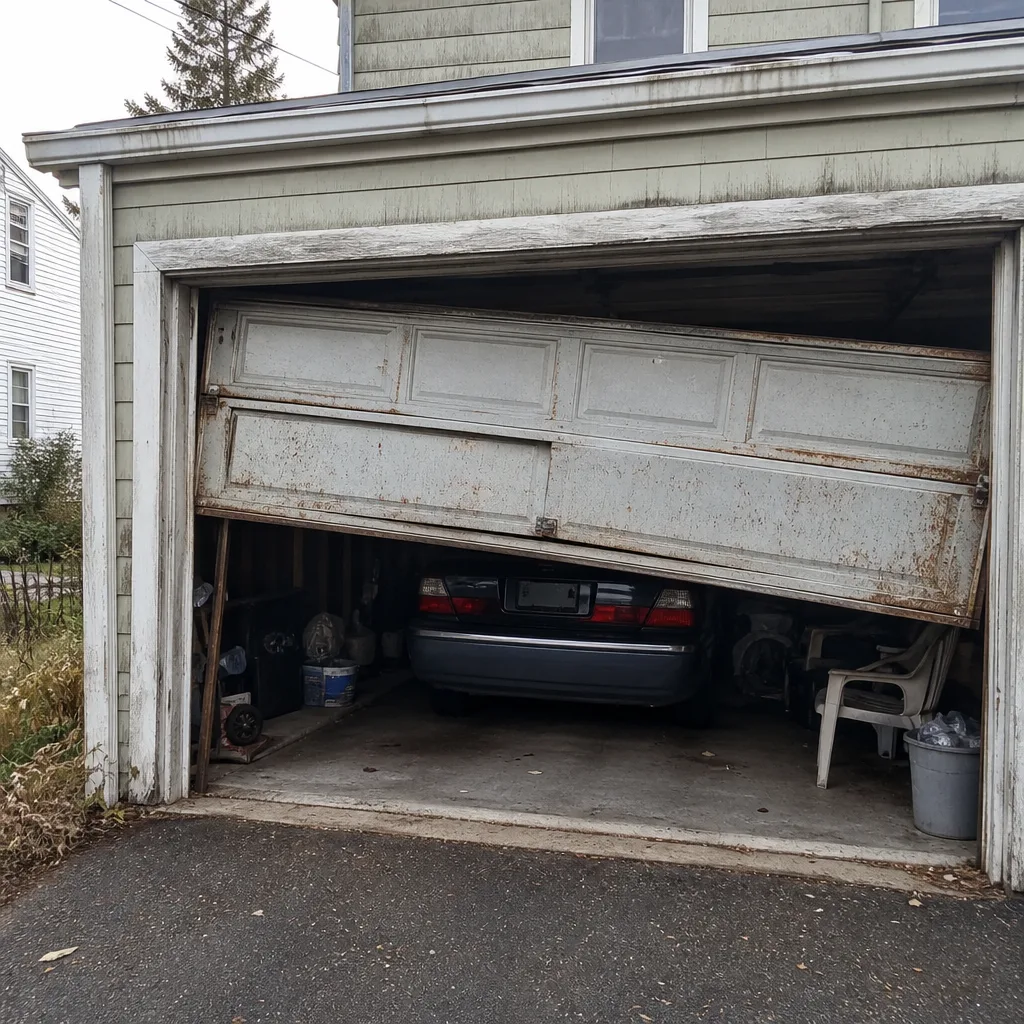 Before
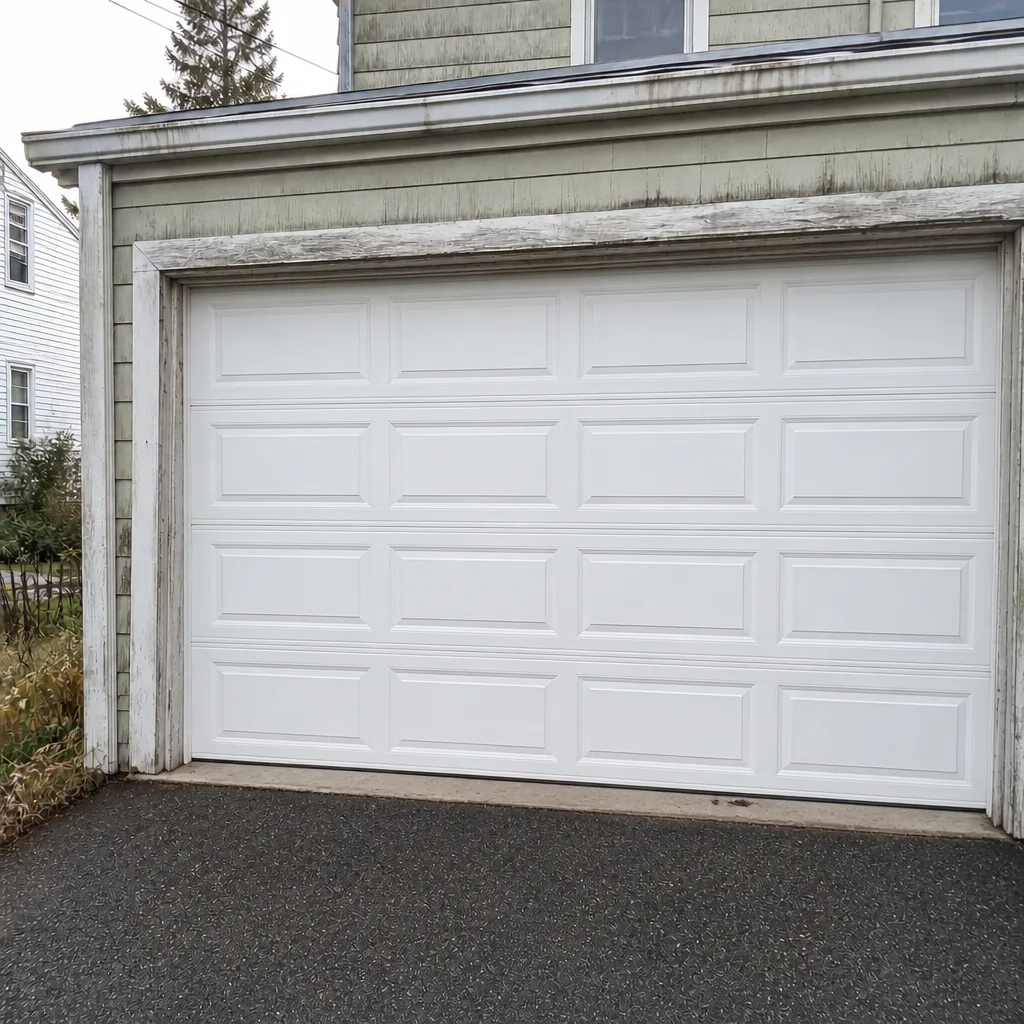 After
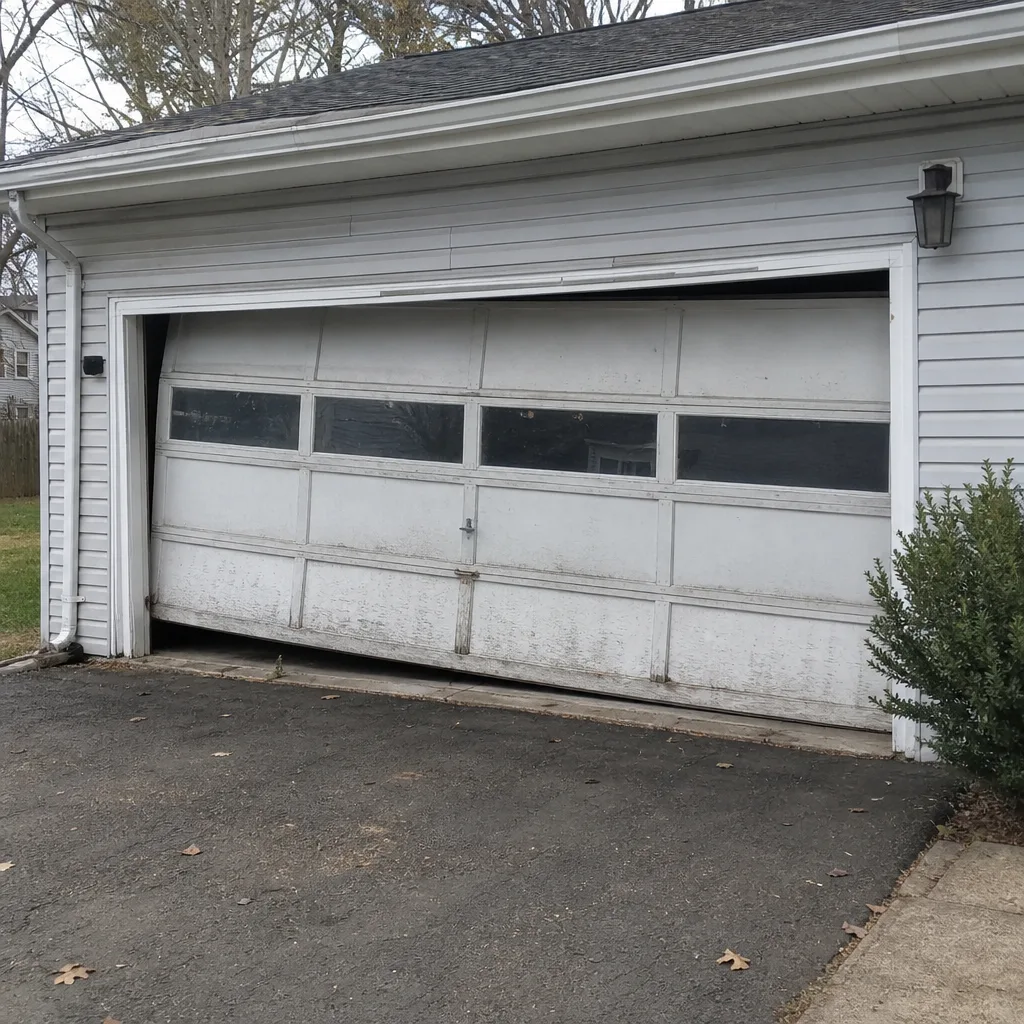 Before
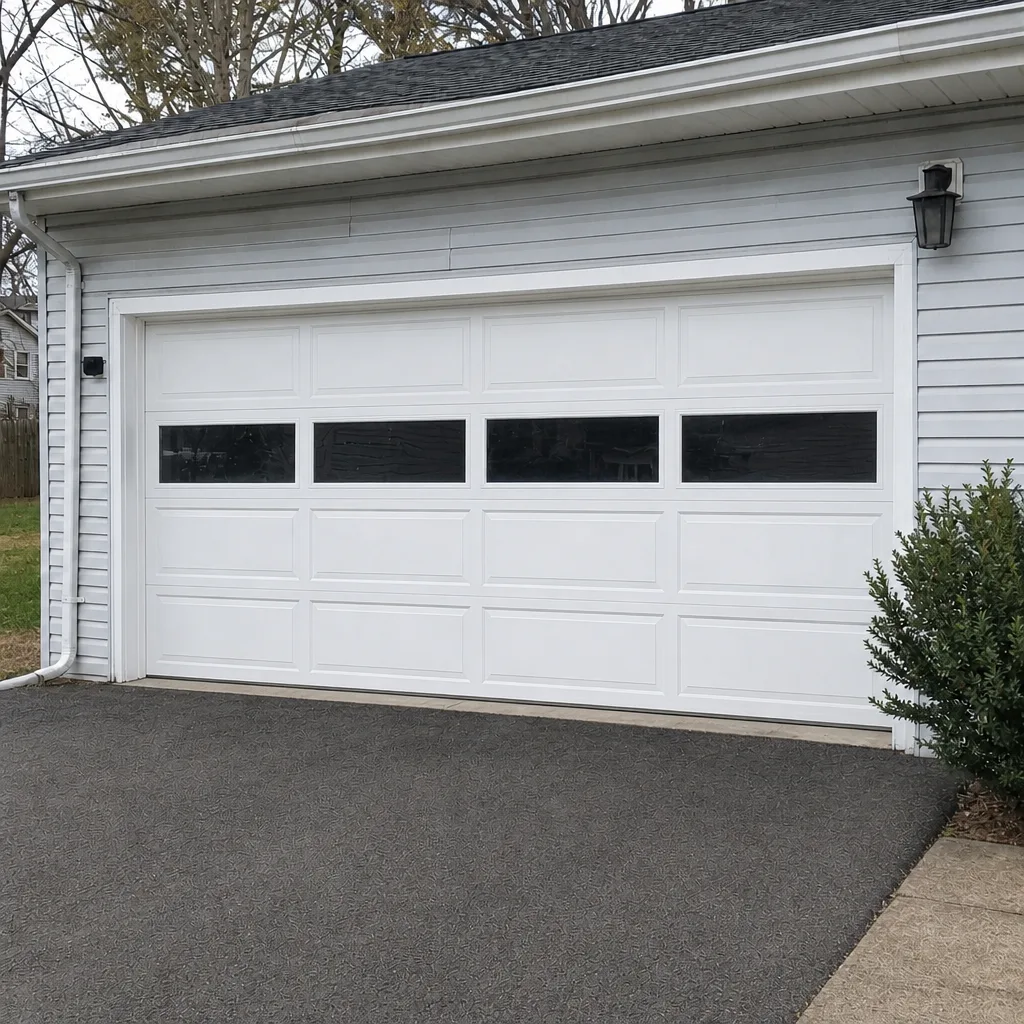 After
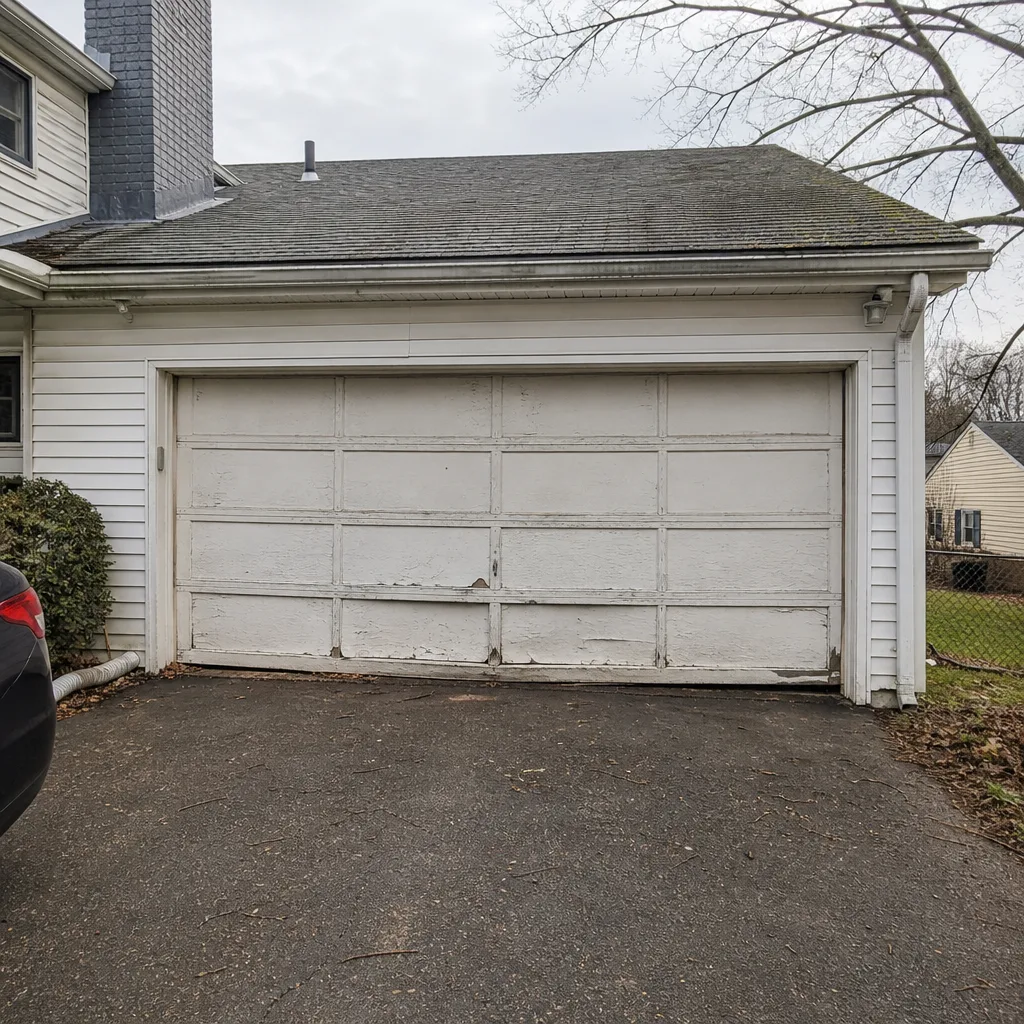 Before
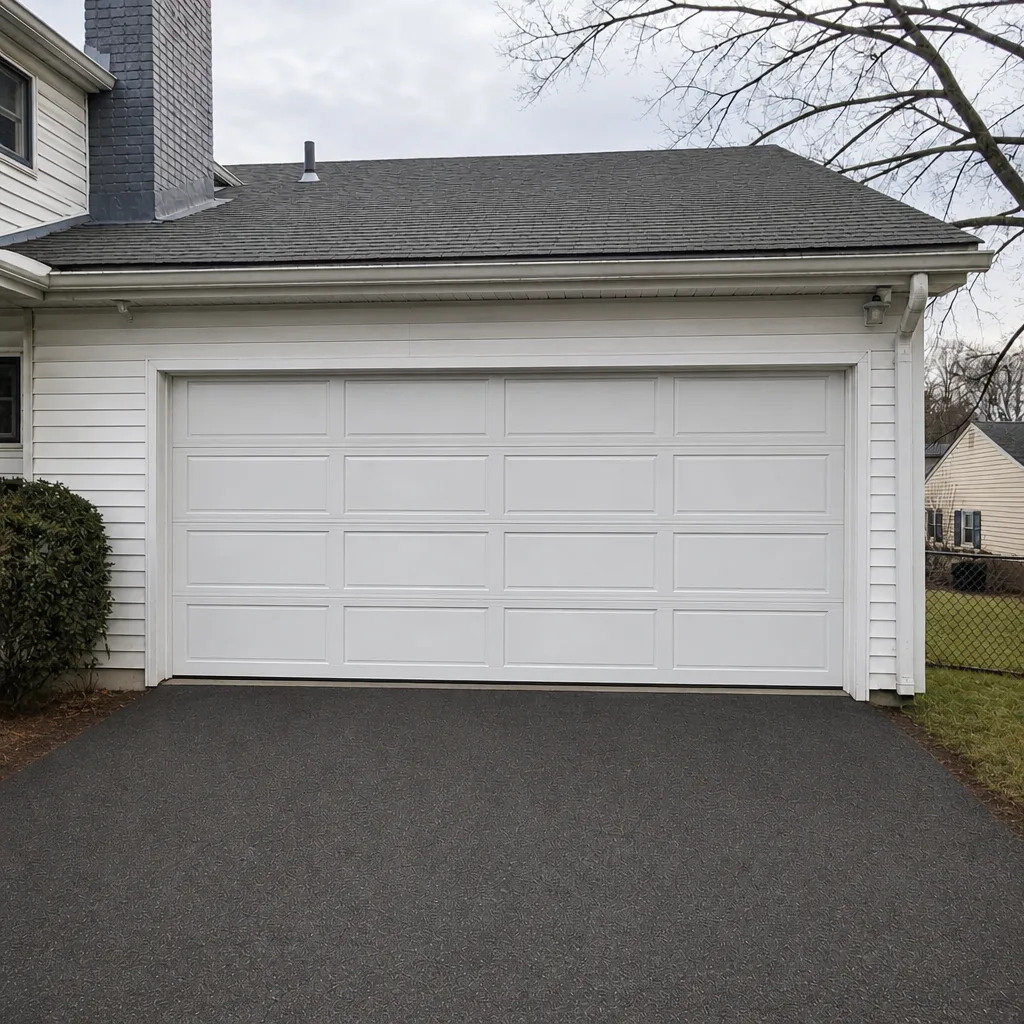 After
When to Call a Professional
Some brand decisions require a technician’s eyes. Call us when the existing door is binding or scraping during operation, because track and hinge wear require hands-on diagnosis. Call us when a torsion spring has snapped, because torsion springs are stored with significant energy and should only be handled by a trained technician, and our team treats garage door spring repair as a standalone specialty for exactly that reason. Call us when the opener has stopped responding, when you’re comparing brand quotes and want a written side-by-side, or when the door is stuck and it can’t wait until Monday. Enfield Garage Door Repair offers free estimates in Enfield, we work on the brand you already have, and our technicians have up to 15 years of experience with all eight major garage door and opener brands. Call (833) 468-5947.
Frequently Asked Questions
For most Enfield homes, Clopay, Amarr, Wayne Dalton, and Raynor are the practical best choices because their parts are available through Connecticut distributors and their hardware is close to industry standard. LiftMaster and Chamberlain are the strongest opener brands for the same reason: broad parts availability and any technician can service them. The best brand for you depends on whether you’re optimizing for resale appeal or long-term serviceability.
Check the torsion spring for a color-coded size on the winding cone. Standard springs are marked; proprietary ones often aren’t. Then check whether replacement hinges, rollers, and safety sensors are available off-the-shelf at a local garage door supplier rather than only through the original manufacturer. If either check fails, the brand is proprietary. A technician can confirm in a few minutes during a free estimate.
It depends on what’s above the garage. If the garage sits under a bedroom or living space, a high R-value sandwich-panel door is worth the upgrade because the door is part of the thermal envelope. If the garage is detached or unconditioned, moderate R-value plus upgraded weatherstripping is the better use of money.
Yes. We service eight major garage door and opener brands – LiftMaster, Chamberlain, Genie, Clopay, Amarr, Wayne Dalton, Craftsman, and Raynor – and we work with what’s already installed. If your brand is one of these, a standard repair call covers it. If it’s not, call us at (833) 468-5947 and we’ll tell you whether we can help before you commit.
Enfield’s freeze-thaw cycle punishes thin steel, cheap weatherstripping, and single-skin panels. Choose a brand that offers sandwich-panel insulated doors in 24- or 25-gauge steel, with replaceable perimeter and bottom seals. Clopay and Amarr both offer this combination across multiple product lines. If you’re comparing a Wayne Dalton door against a builder-grade alternative, check the gauge and panel construction first.
Yes, significantly. Brands with standard hardware and local distributor access are repaired quickly because the parts are locally available. Brands with proprietary springs or special-order panels can take several days when a failure happens. If your brand is LiftMaster, Chamberlain, Clopay, Amarr, Wayne Dalton, or Raynor, a trained local technician can usually get the door back in service promptly. Enfield Garage Door Repair carries the technical range to handle all of them in one call, with no subcontracting. Call (833) 468-5947 for a free estimate.
The Bottom Line
Brand prestige is a showroom conversation. Parts availability, standard hardware, panel construction for a freeze-thaw climate, and a service network that exists in Connecticut are what actually determine how well a door lives over the next ten years. If you’re replacing a door in Enfield, prioritize brands whose parts come from local distributors and whose hardware any technician can work with. If you’re keeping an existing door, check whether it’s serviceable before assuming it needs replacement. For a written brand comparison specific to your home, or for a repair on any of the eight brands we work with, give Enfield Garage Door Repair a call. We’ll give you a straight read on what you have and what makes sense next.
Ready to talk through your options? Call (833) 468-5947 for a free estimate. We work on the brand you already have, we cover garage door repair, garage door opener repair, garage door spring repair, and full installs under one company, with no subcontracting and no call-center routing. If your door is stuck and it can’t wait until Monday, tell us when you call and we’ll get a trained technician out to look at it. For everything else, we’ll schedule a free measure and a written price you can compare line by line. Visit Enfield Garage Door Repair for the full range of services, or pick up the phone. Estimates are free and the price we quote is the price you pay.
Written by the team at Enfield Garage Door Repair.