Last updated November 23, 2026
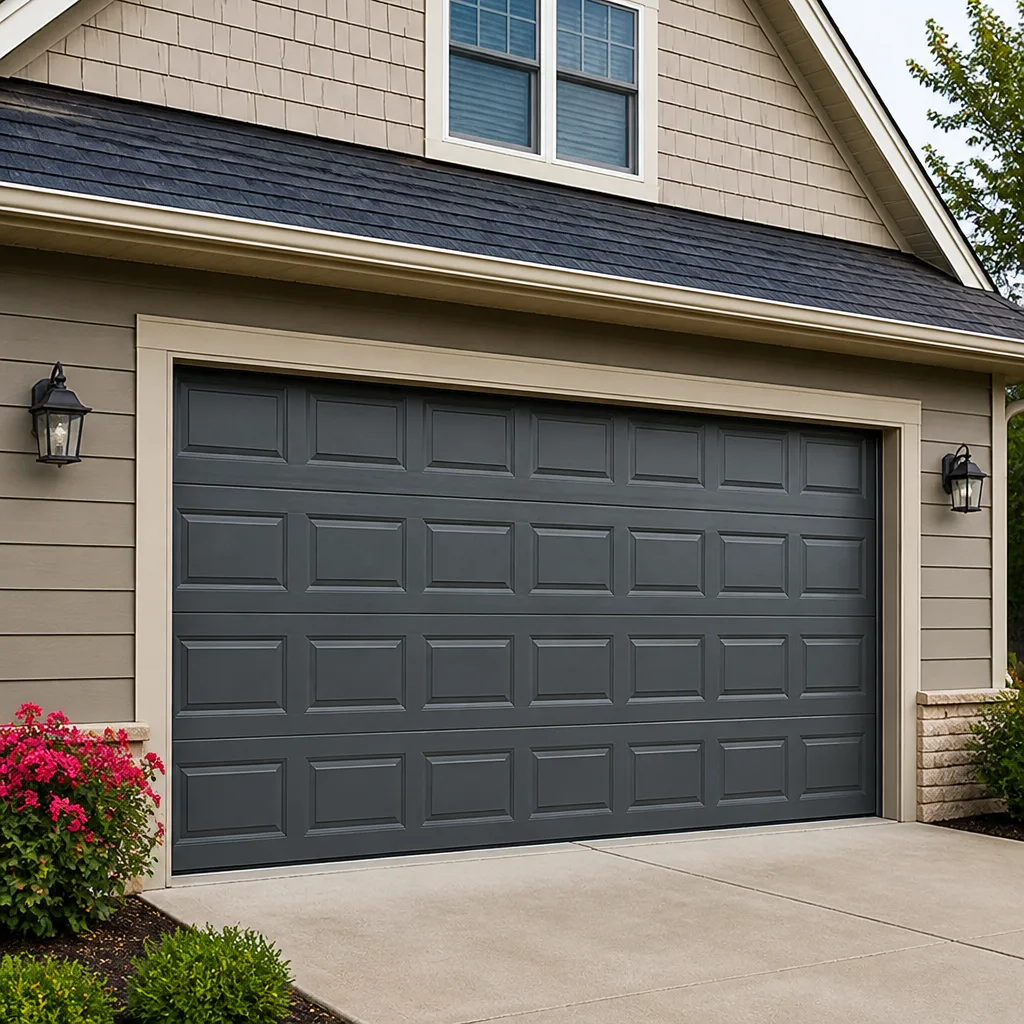 Raised-panel steel
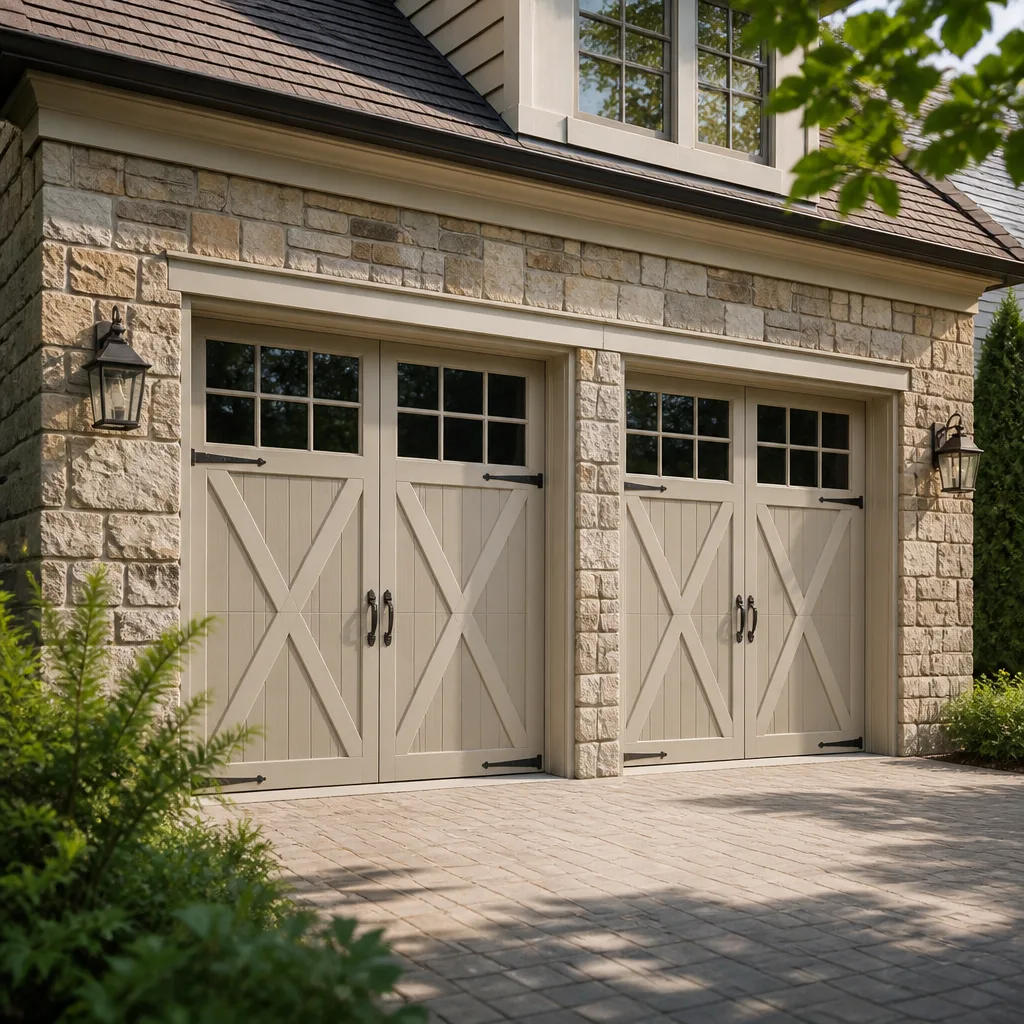 Carriage house
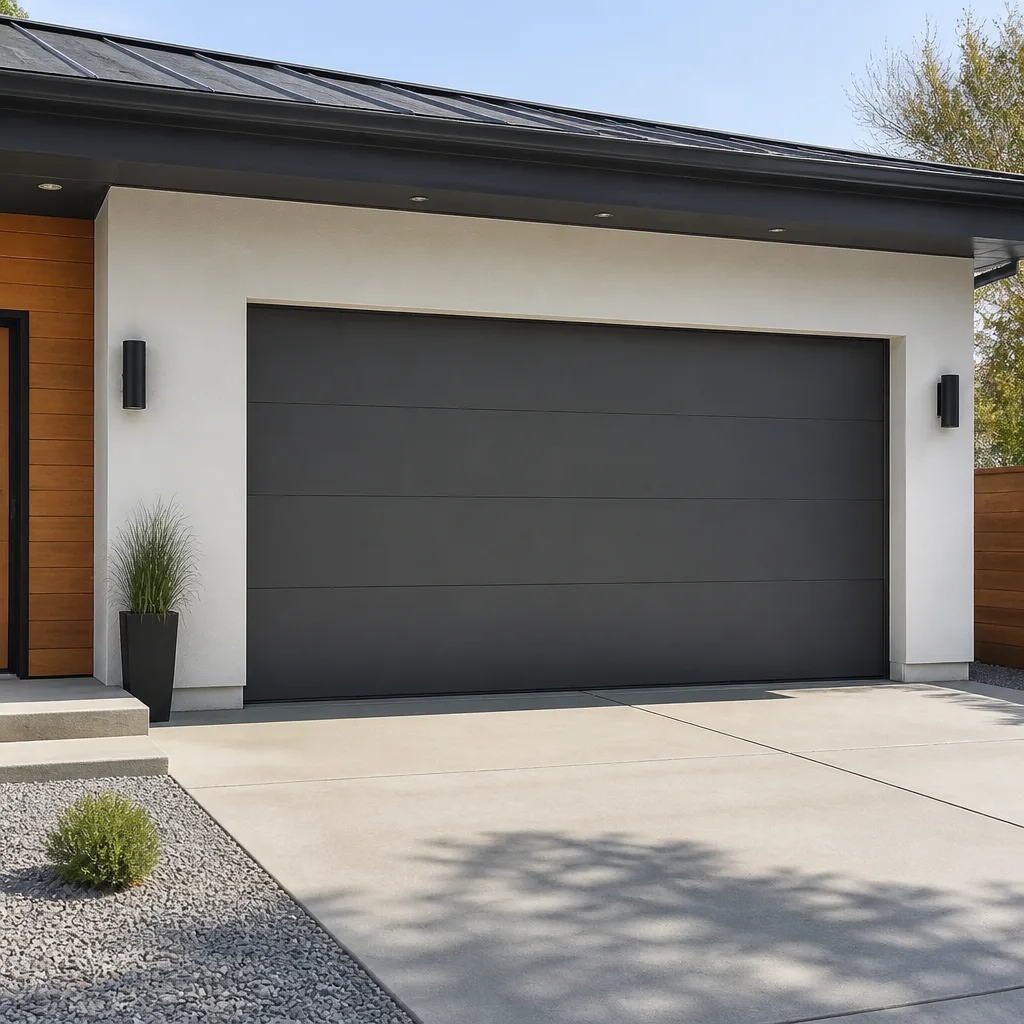 Modern flush
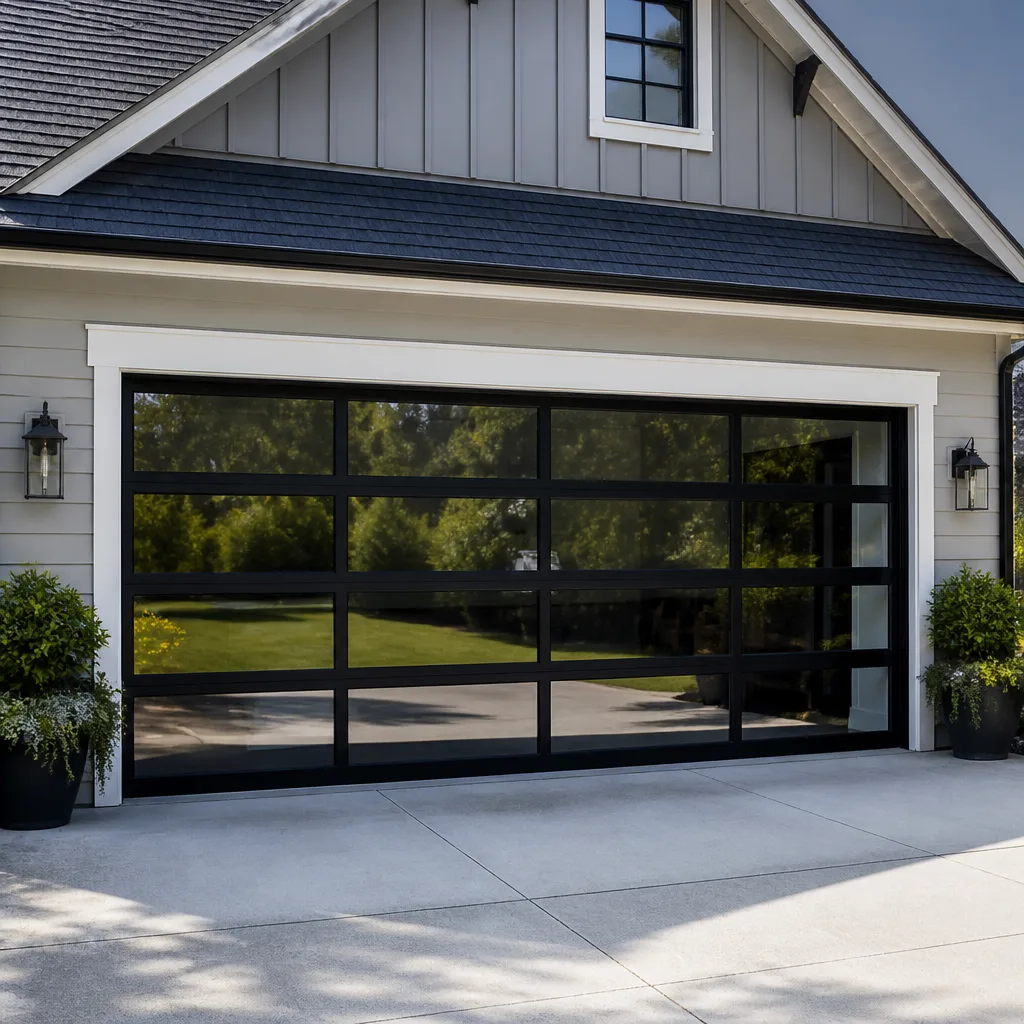 Full-view glass
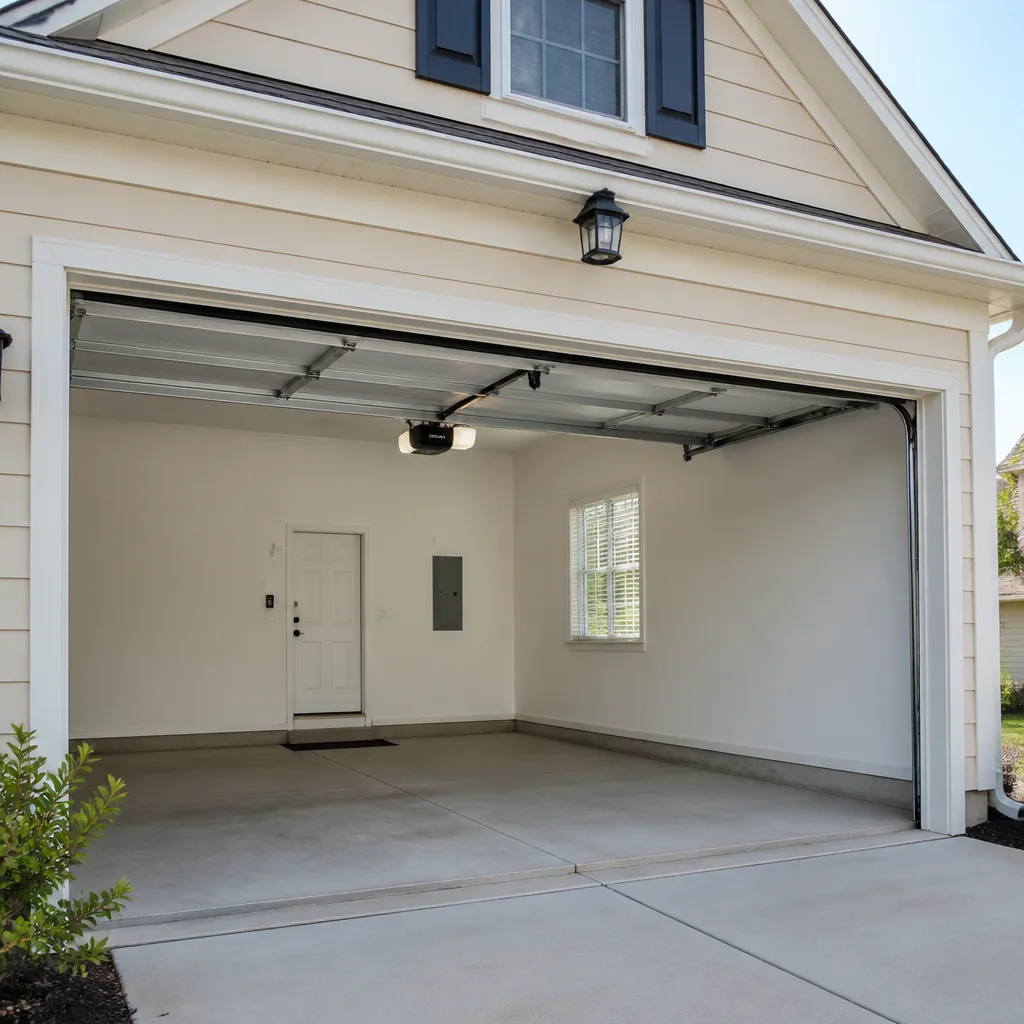 LiftMaster openers
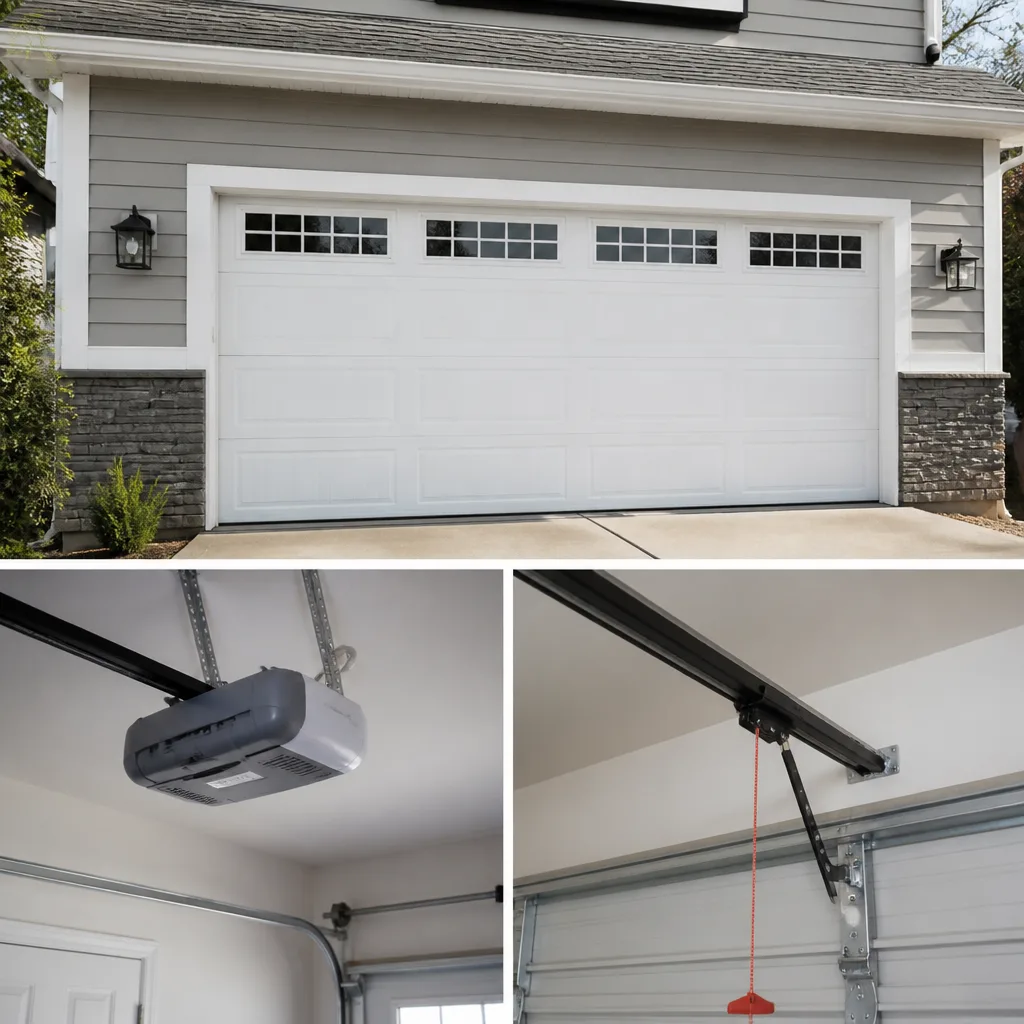 Chamberlain openers
Full 25-point door and opener safety check with every visit - springs, cables, rollers, tracks, and your LiftMaster or Chamberlain opener included
You get a price before we start. It does not change when the pro arrives.
Get your free estimateThe Complete Guide to Garage Doors in Enfield
Most garage door advice online is written for a national audience and says nothing useful about the door on your house. Here’s a fact that surprises a lot of Enfield homeowners: the housing boom that ran from the 1960s through the 1990s built thousands of homes here, and most of those garage doors were engineered for a service life that has already come and gone. The springs, seals and openers on those houses are now well past their design window, which means the failures you see around town aren’t random – they’re predictable. This guide walks through what we’ve learned about Enfield’s housing stock, the freeze-thaw cycle that wears hardware down, the door types most common here, and how to tell a cosmetic problem from a structural one before anyone tries to sell you a new door.
Quick Answer
Most garage door problems in Enfield come down to age and weather: torsion springs on older homes cycle past their lifespan and snap, and the freeze-thaw cycle accelerates wear on bottom seals, hinges and tracks. Knowing the era your door was built in tells you what’s likely to fail next, whether parts are stocked locally or special-ordered through Hartford County suppliers, and whether you’re looking at a repair or a full replacement.
Styles & brands we work with
- Raised-panel steel
- Carriage house
- Modern flush
- Full-view glass
- LiftMaster openers
- Chamberlain openers
Table of Contents
- What Enfield’s Housing Eras Mean for Your Door
- How the Freeze-Thaw Cycle Wears Down Enfield Doors
- The Door Types and Openers You’ll Find in Enfield
- Which Parts Are Locally Stocked and Which Are Special-Order
- Cosmetic vs. Structural: Reading Your Door Honestly
- Repair, Partial Replacement, or Full Replacement?
- The Danger Zones: Springs, Cables and Openers
- Common Mistakes to Avoid
What Enfield’s Housing Eras Mean for Your Door
Garage doors are a lot like roofs and furnaces: the decade your house was built predicts what kind of hardware is hanging over your car. In Enfield, the dominant building eras produced three broad groups of homes, and each one has its own typical door and opener setup.
1960s to 1970s: Ranch Homes
The single-story ranch is everywhere in Enfield, and it usually came with a single-wide door and an early chain-drive opener – or no opener at all, if the original owner opened it by hand. Many of these doors are wood or early steel with extension springs mounted along the horizontal tracks. If you own one, the springs are long past their service life, and the original opener (often a Craftsman unit from the same era) may still be running on borrowed time. Extension springs along the sides are less common on newer doors, so parts for these setups can be hit or miss.
1970s to 1980s: Split-Levels and Raised Ranches
The split-level pushed garages into the lower level, which meant shorter headroom and tighter ceiling clearances. That shapes repairs: torsion spring systems need vertical room above the door, and some Enfield split-levels barely have it. Technicians end up working with low-clearance and side-mount torsion setups to fit the space.
1980s to 1990s: Colonials and Two-Car Garages
The colonial brought two-car garages with double-wide doors, and by the late 1980s and into the 1990s those doors were steel with torsion springs overhead. LiftMaster and Chamberlain openers became the standard on these builds, and many of those units are still in service today. The hardware here is at the older end of its lifespan, so if you’re in a 1980s colonial in Enfield, you’re likely the next owner to face a spring or opener replacement.
How the Freeze-Thaw Cycle Wears Down Enfield Doors
Enfield sits in a climate where temperatures routinely cross the freezing mark in winter, and that cycle does more damage to garage doors than the coldest single day of the year. Here’s the mechanism: water gets into a bottom seal or a hinge joint during a mild afternoon, then freezes overnight. The expansion is small, but it happens over and over across a season, and it works seals loose, cracks rubber, and rusts fasteners.
Torsion springs feel it too. Steel doesn’t like repeated temperature swings, and springs in an unheated garage see the same cycles the door does. A spring that’s already near the end of its rated cycles can fail on the coldest morning of the year – which is exactly the morning you don’t want to be stuck outside with the car in the garage.
Bottom seals are the most exposed part. Snow, slush and road splash pool against them, then refreeze. In Enfield, it’s common for an original bottom seal to be cracked and brittle long before the rest of the door shows problems. A worn seal doesn’t just let in water; it can let in cold air, mice and moisture that works on the door’s structural parts.
We’ve seen the same pattern across town: doors that look fine in October start binding in January because a hinge or roller seized after a freeze. People blame the opener when the real problem is mechanical drag in the tracks.
The Door Types and Openers You’ll Find in Enfield
In our experience, most Enfield doors fall into three structural categories, and each one is repaired differently.
- Sectional steel doors are the most common here. They’re made of horizontal panels that roll up on tracks, they come in single-wide and double-wide versions, and their torsion springs overhead are the part that fails most. Clopay and Amarr are familiar names on these doors in Enfield.
- Wood and wood-composite doors linger on older homes. They’re heavier, they need more maintenance, and they put more stress on springs and openers. If you own one, weigh the maintenance against the cost of a new steel door.
- Raised-panel and carriage-style doors are common on newer colonials and homes where the owner wanted curb appeal. The hardware is often decorative, and the opener is usually a modern belt-drive or screw-drive unit.
On the opener side, LiftMaster and Chamberlain dominate what we see in Enfield, followed by Craftsman (which shares DNA with Chamberlain), Genie and the occasional Raynor. The good news is that opener electronics follow predictable patterns across brands, so repair usually comes down to a specific sensor, gear or logic board rather than a total replacement. If your opener is making a grinding noise, that’s usually a stripped gear, not a dead motor.
Which Parts Are Locally Stocked and Which Are Special-Order
Here’s where Enfield’s location matters. Parts availability in Hartford County is generally good for common items and more limited for older or unusual hardware. Knowing the difference saves you time.
Usually available quickly
- Torsion and extension springs in common sizes
- Bottom seals, weatherstripping and end plates
- Nylon rollers, hinges and standard cables
- LiftMaster and Chamberlain remotes, safety sensors and gears
- Standard openers in box
Often special-order in this area
- Custom-width doors and non-standard panel sizes
- Certain Amarr, Clopay and Raynor panel designs (match to existing color and style)
- Old opener logic boards on discontinued models
- Specialty springs for unusual door weights or low-clearance setups
What this means for you: a spring or seal repair can often happen quickly, but a panel replacement or new door has lead time. If your door’s last panel was damaged and you want a matching color, expect to wait on the order in Hartford County. That’s normal, and it’s why we take measurements on the first visit rather than guessing from a photo.
Cosmetic vs. Structural: Reading Your Door Honestly
Many homeowners struggle to tell a cosmetic problem from a structural one, and that’s the gap an upseller lives in. Here’s how we think about it.
Cosmetic issues affect appearance or weather sealing but not the door’s ability to operate safely:
- Dents and dings in panels that don’t affect structure or the door’s operation
- Faded paint or finish
- A slightly misaligned bottom seal that still seals
- Scratches and rust spots on steel panels without structural rot
Structural issues affect the door’s integrity, safety or ability to operate, and should be addressed promptly:
- Broken or sagging torsion springs
- A door that’s come off its tracks or is visibly off-square
- Cracked, rotted wood panels or a cracked steel skin
- Bent tracks that cause rollers to bind
- A detached or frayed cable (never touch it; call a professional)
If you’re not sure which bucket you’re in, look at the door when it’s fully closed and see whether the horizontal lines are level. Then open it partway and check whether it moves evenly on both sides. Uneven movement or sagging points to hardware, not cosmetics. A door with cosmetic wear only can wait; one that’s got structural problems shouldn’t be operating daily.
Repair, Partial Replacement, or Full Replacement?
The single biggest decision an Enfield homeowner faces is whether to repair or replace, and the answer depends on about four things:
- Door condition. If the panels are solid and the only real problem is springs, tracks or the opener, a repair makes sense. Once you’ve got multiple failed panels or rotted wood, replacement becomes the better value.
- Age and era. A 1990s colonial door with intact panels is often a repair candidate; a 1970s wood door that’s been patched more than once is usually a replacement candidate.
- Safety hardware. Doors built before mandatory safety features (auto-reverse on obstruction) are worth evaluating against today’s standards.
- Cost in the long run. Repairs add up. If you’re looking at spring replacement plus multiple panel replacements on an aging door, get a written estimate for both repair and full replacement before deciding.
Partial replacement is a legitimate middle path. Replacing the bottom panel (the most exposed section) while keeping the other panels intact is common when only the bottom section is damaged. Same goes for replacing just the opener when the door itself is still in good shape. We’re brand-agnostic, so we work with your existing door and opener rather than steering you toward equipment you don’t need. When it’s time to replace, our garage door repair team can quote both repair and full installation so you can compare.
The Danger Zones: Springs, Cables and Openers
Some garage door parts are genuinely dangerous, and we want to be direct about which ones. The torsion spring system, the extension springs, and the cables are under high tension. When a spring fails it releases stored energy instantly, and cables can snap without warning. We never recommend that a homeowner adjust, remove or replace a spring or cable. A trained professional handles that work with the right tools and the right procedures.
On the electrical side, opener wiring and control boards carry live voltage, so the same caution applies. If the opener stops responding and you’re not sure whether it’s the wall control, the sensor or the board, don’t open it up to find out. Same for anything involving your home’s electrical panel. Our garage door opener repair technicians diagnose opener faults with the power off and follow manufacturer procedures.
The safer side of the coin: bottom seals, rollers, hinges, and cleaning and lubricating the tracks are homeowner-friendly maintenance tasks. Most of the maintenance a door needs can be handled safely. The high-tension work is the work to leave to a technician.
Common Mistakes to Avoid
- Ignoring a broken spring. A door with a broken spring can seem to operate if it’s light, but the opener is doing more work than it was designed for and you’re damaging it. Fix the spring and leave the opener alone.
- Greasing tracks instead of rollers. In Enfield’s cold winters, grease thickens and makes the door harder to move. Lubricate rollers and hinges; keep the tracks clean and dry.
- Replacing the bottom seal with the wrong profile. A seal that doesn’t match your door’s bottom profile leaves gaps and can let in water, which is the exact opposite of what you’re trying to fix.
- Assuming a noisy opener needs replacing. Grinding is usually a stripped gear, and a squeal is often a failing bearing. Diagnosis comes first.
- Letting a cosmetic dent sell you a whole door. A single panel can often be replaced without touching the other sections. Compare repair and replacement estimates before deciding.
- Running a door with bent tracks. It seems harmless until a roller pops and the door comes off its tracks. Get the track straightened or replaced before operating the door again.
- Trying a DIY spring replacement. This is the single most dangerous mistake on a garage door. Springs are under high tension and can cause serious injury. Leave them to a trained technician.
See the difference
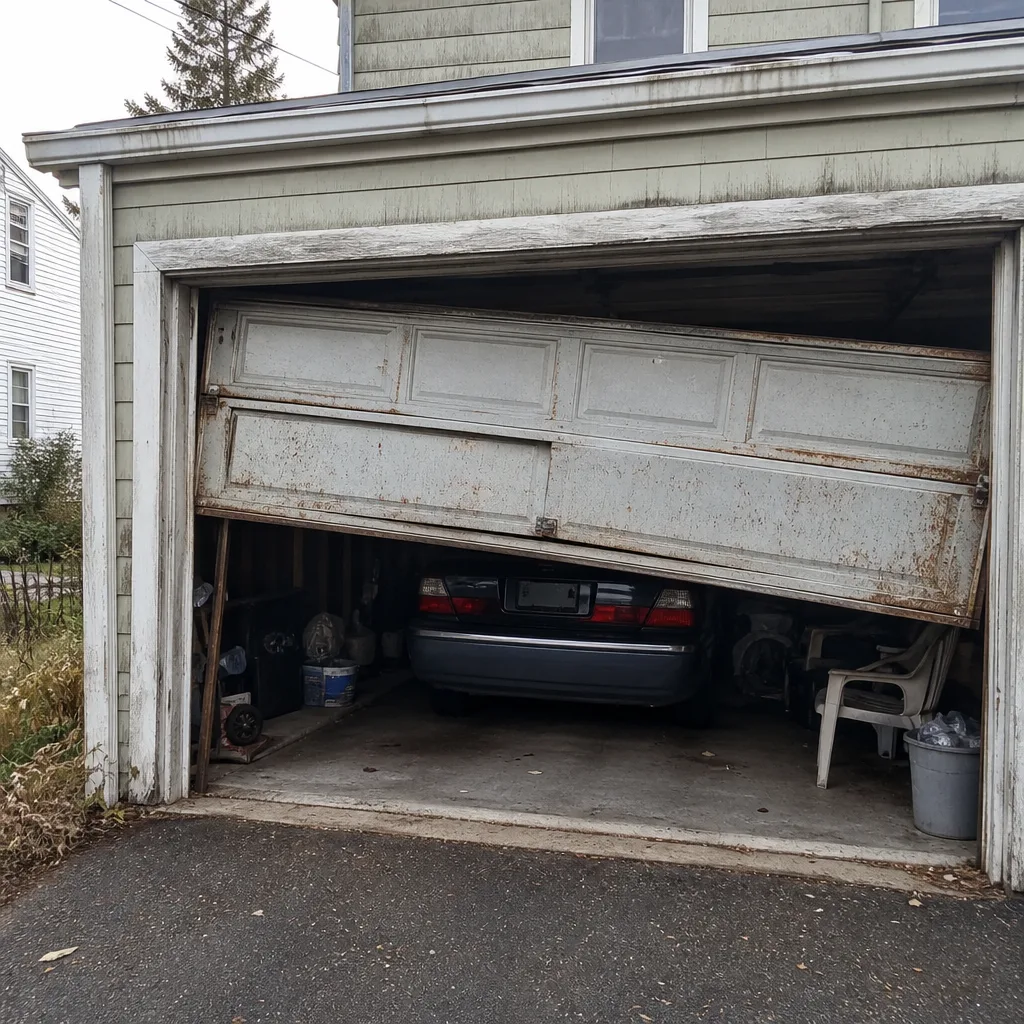 Before
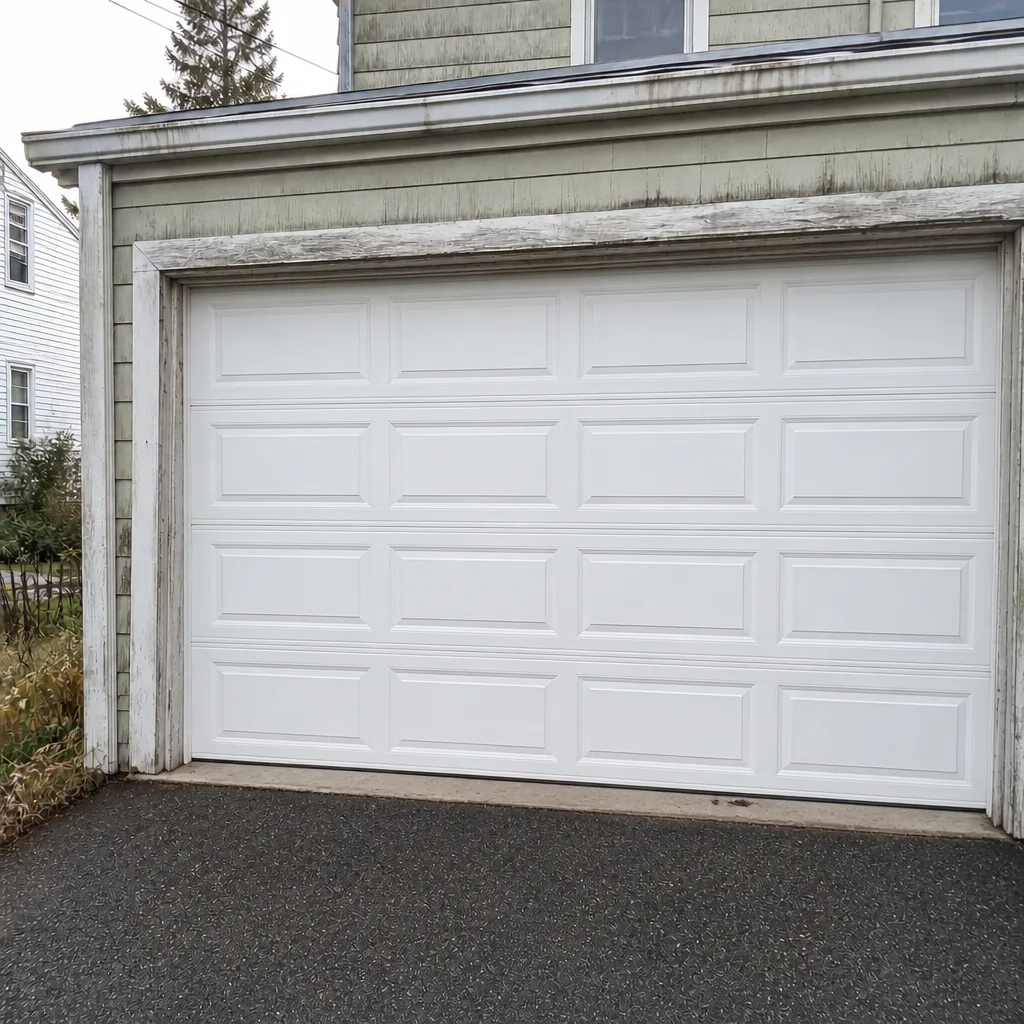 After
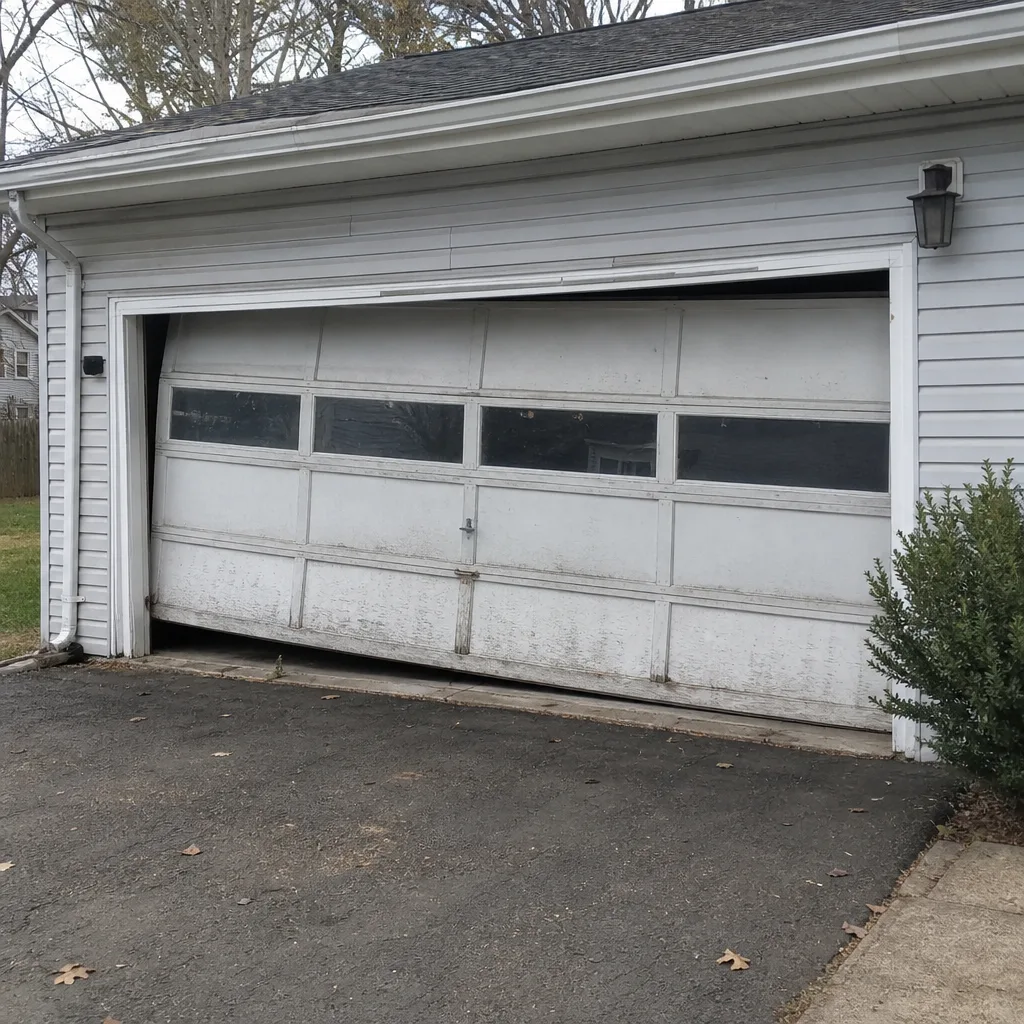 Before
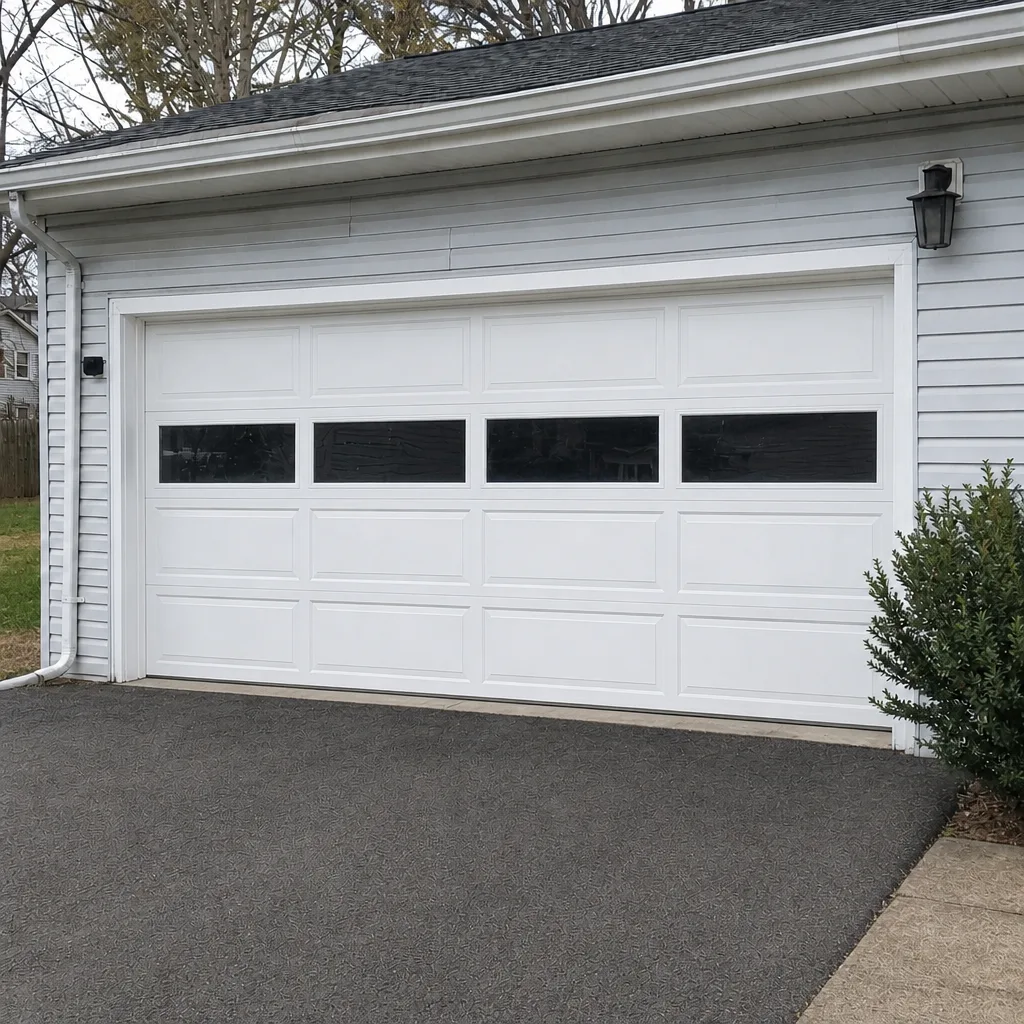 After
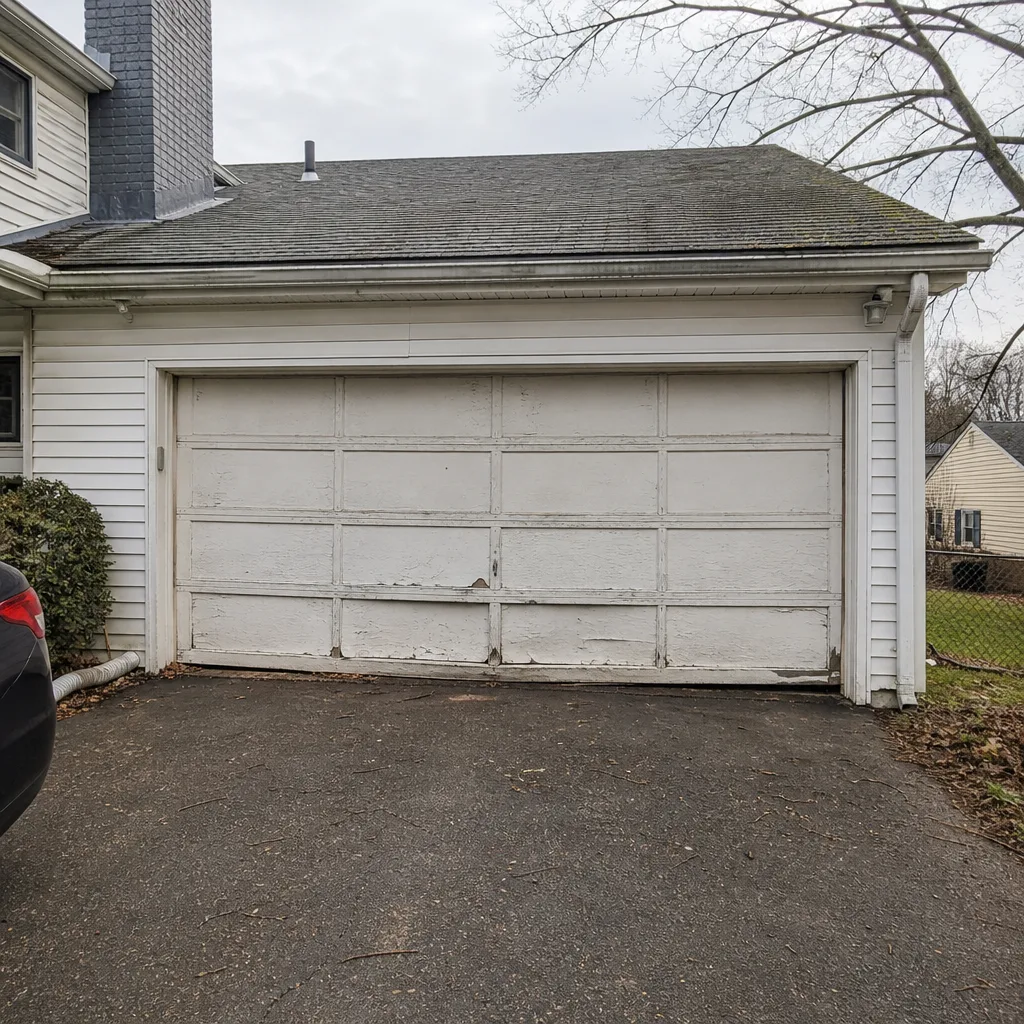 Before
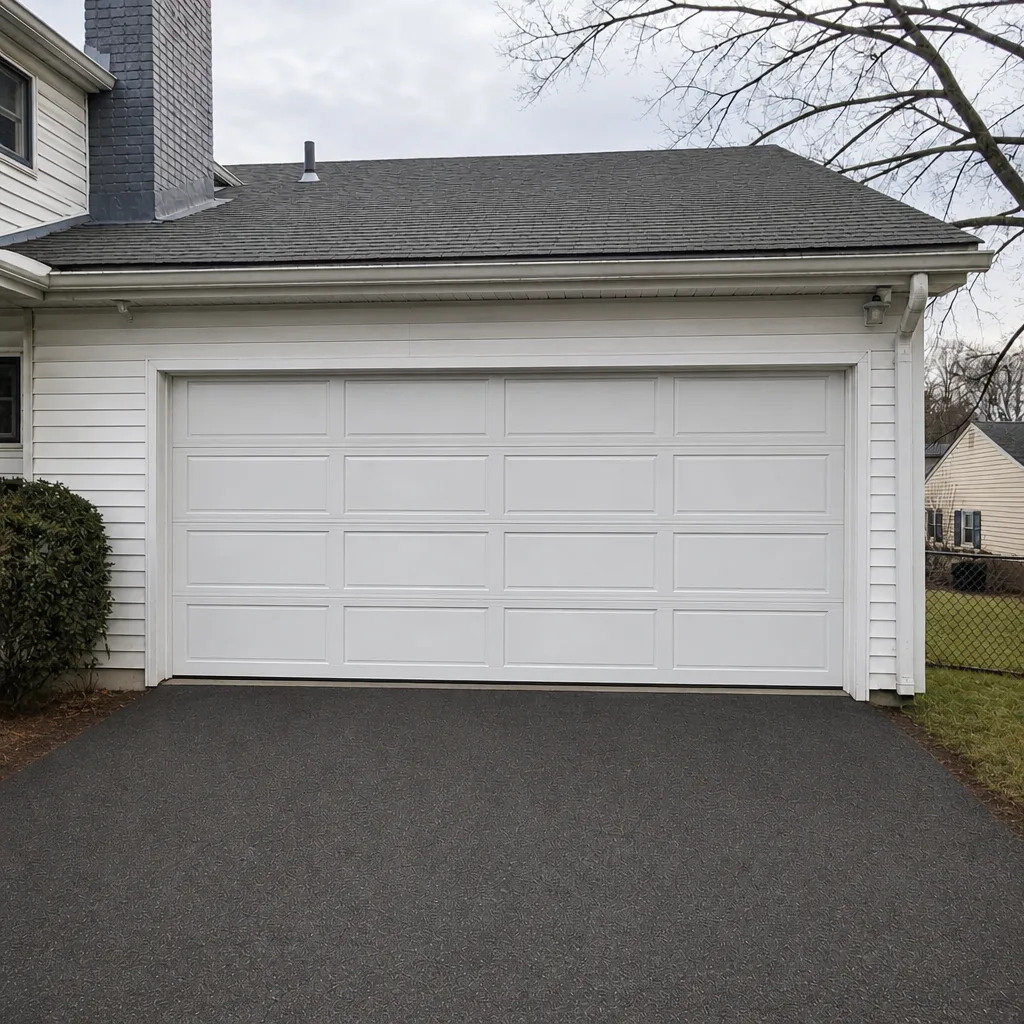 After
When to Call a Professional
Most of the routine maintenance on a garage door – cleaning tracks, lubricating rollers, replacing a bottom seal, checking the opener’s auto-reverse – is homeowner work. But some situations call for a trained technician: any high-tension spring or cable problem, a door that’s off its tracks or visibly off-square, opener electrical faults, a door that’s jammed shut when you need out, and any situation where a door opens unevenly or won’t stay up on its own. If you’re not sure, call. And when a door failure can’t wait – a spring snapped, the car is trapped inside – Enfield Garage Door Repair offers emergency garage door service in Enfield. Our technicians have up to 15 years of experience, we work with the eight major brands, and the written estimate sets the price before any work starts. Call (833) 468-5947 for a free estimate.
Frequently Asked Questions
The house’s construction decade is a strong clue. Ranch homes from the 1960s and 1970s typically have single-wide doors with extension springs; split-levels and raised ranches from the 1970s and 1980s often have tight headroom and use low-clearance torsion setups; colonials from the 1980s and 1990s usually have two-car doors with torsion springs and LiftMaster or Chamberlain openers. The era tells you what’s likely to fail next, which makes planning a repair easier.
Springs are rated in cycles, and Enfield’s freeze-thaw cycle adds to that wear. Steel doesn’t like repeated temperature swings, and springs in an unheated garage experience the same cycling. A spring already near the end of its life can fail on the coldest morning. If your door is older and you’ve never replaced the springs, it’s worth having them inspected – our garage door spring repair technicians can check the spring’s condition and tell you whether it’s near failure.
Common springs, bottom seals, rollers, hinges, standard cables, and LiftMaster and Chamberlain remotes and safety sensors are usually available quickly in Hartford County. Custom-width doors, matching panel replacements for Amarr, Clopay or Raynor designs, discontinued opener boards and specialty springs often need to be special-ordered. That’s why we measure on the first visit rather than estimating from a photo.
The written estimate you agree to before any work begins is the price. If our inspection turns up something that changes the scope – say, an unexpected cable problem or a track issue – we’ll show you and quote the additional work before doing it. No surprise invoice at the end. Call (833) 468-5947 for a free estimate.
The local professional we connect you with is licensed and insured as the state of Connecticut requires. That’s the baseline, and we think it’s worth asking about for any garage door work you have done, high-tension spring repairs especially.
Emergency garage door service is part of what we offer, so call us when a broken spring or stuck door can’t wait. We’ll get you on the schedule for the soonest available time. For routine repairs and installations, we schedule an appointment and provide a written estimate first. Call (833) 468-5947 and we’ll walk through your options.
The Bottom Line
Your garage door’s problems are predictable if you know what to look for. The housing era tells you which hardware you’re dealing with. The freeze-thaw cycle explains why seals and springs fail faster than the national average. Parts availability in Hartford County determines whether a repair happens quickly or waits on a special order. And the gap between cosmetic and structural problems is where good decisions get made. Our advice: read your door honestly, get written estimates for repair and replacement before deciding, and never touch the springs or cables yourself. If you’re not sure where to start, our Enfield Garage Door Repair team can take a look and tell you straight.
For help with any garage door problem in Enfield – repairs, opener issues, spring replacement or a full new-door installation – call (833) 468-5947 for a free estimate. We work on the brand you already have, we diagnose by brand-specific knowledge, and one call covers the whole job.
Written by the team at Enfield Garage Door Repair.